
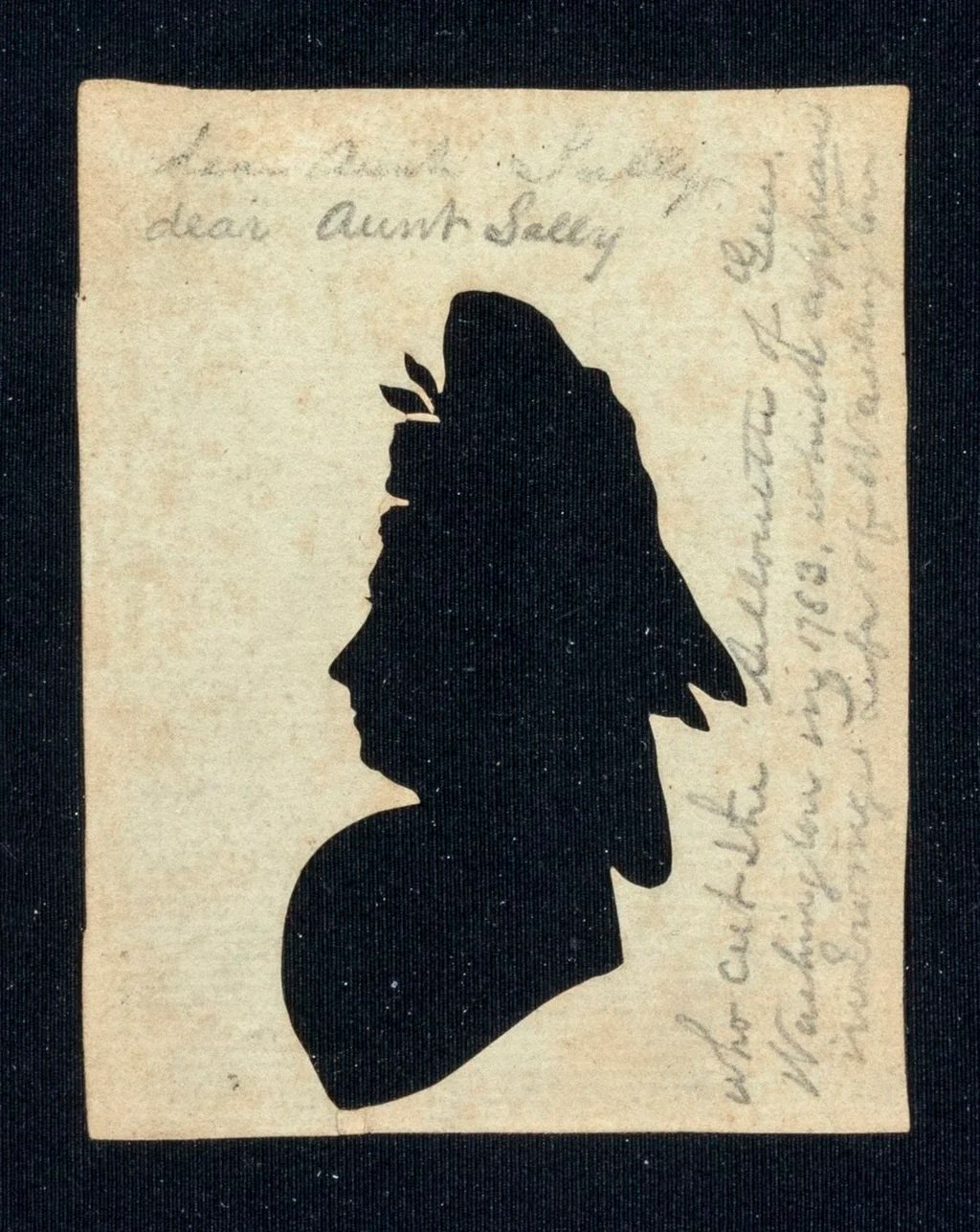
The artist’s self-portrait.
SARAH DE HART
(Elizabethtown, NJ, 1759 – 1832)
122 Hollow-cut Silhouettes on Paper
Together with the artist’s scissors
and other objects related to her life.
Provenance:
The artist; by descent to her niece:
Juliet De Hart Smith (1807–1876) and her husband, Brig. General Joseph Rowe Smith Sr. (1802–1868), Monroe, Michigan[1]; by descent in the family to their grandson:
Joseph Rowe Smith III (1860–1945), Detroit, Michigan[2]; by whom consigned to:
George J. Heckroth (1897–1977), Royal Oak, Michigan; from whom acquired ca. 1950 by:
Ruth and James O. Keene, Birmingham, Michigan[3]; their sale:
Sotheby’s, New York, “Important Americana: Collection of Mr. and Mrs. James O. Keene,” 16 January 1997, lot 231; where acquired by:
With Paul DeCoste Antiques, Newburyport, Massachusetts; from whom acquired at the Connecticut Antiques Show in 1998 by:
Leslie and Peter Warwick, Middletown, New Jersey, until 2026.
Exhibited:
(Nos. 5 and 7) “American Folk Art from the Collection of Ruth and James O. Keene,” Detroit Institute of Arts, 1 – 26 March 1960, cat. nos. 138 and 139.
(Nos. 1–9 and Scissors) “The Keene Eye: Selections from the American Folk Art Collections of Mr. and Mrs. James O. Keene,” Museum of American Folk Art, 27 April – 17 June 1984, cat. nos. 21-31.
Literature:
American Folk Art from the Collection of Ruth and James O. Keene, exh. cat., Detroit, 1960, p. 20.
Charlotte M. Emmans, The Keene Eye: Selections from the American Folk Art Collections of Mr. and Mrs. James O. Keene, exh. cat., New York, 1984, pp. 11, 15, catalogued as by Sally DeHart.
Leslie Warwick and Peter Warwick, “Sarah De Hart, Early American Silhouettist,” The Magazine Antiques (September 2008), pp. 86-91.
Sarah De Hart is among the earliest American female artists and certainly the first silhouettist in North America. The daughter of a Revolutionary politician and lawyer, Sarah practiced her art privately, cutting the silhouettes of her acquaintances, most of whom were visitors (including several distinguished guests) to her family’s home in Elizabethtown, New Jersey (Fig. 1).[4] Her profile silhouettes were executed freehand and hollow-cut—created by removing the middle of the paper and placing the sheet against a dark background.[5] Sarah almost certainly cut her silhouettes in duplicate, gifting one to her subject and retaining the other as a record. Remarkably, Sarah’s archive of her work was preserved by her descendants along with her diminutive scissors (Fig. 2) until the mid-20th century, when they were sold and entered a succession of private collections. Given the ephemeral and personal nature of paper silhouettes, it is likely that the present group constitutes nearly the entirety of Sarah De Hart’s surviving body of work. The only other known works by her are a single silhouette in the collection of the Library of Congress (discussed further below), as well as a collage of silhouettes and word puzzles that was separated from this familial archive by later owners, James and Ruth Keene, and gifted to the U.S. Department of State in the 1970s (Fig. 3).[6]
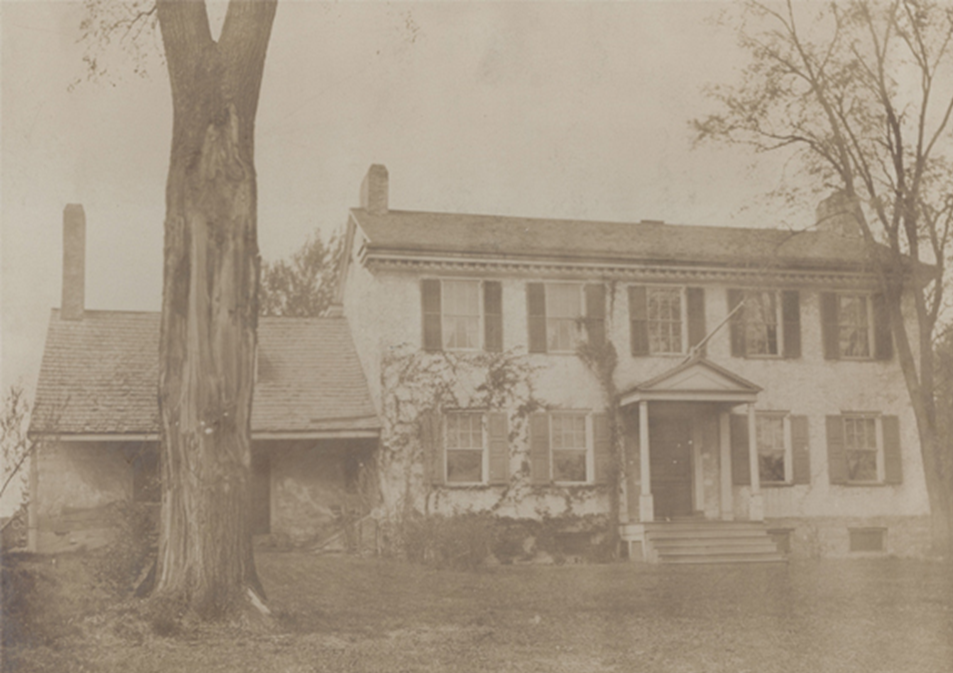
Fig. 1. The home of Sara De Hart in Elizabethtown, NJ.
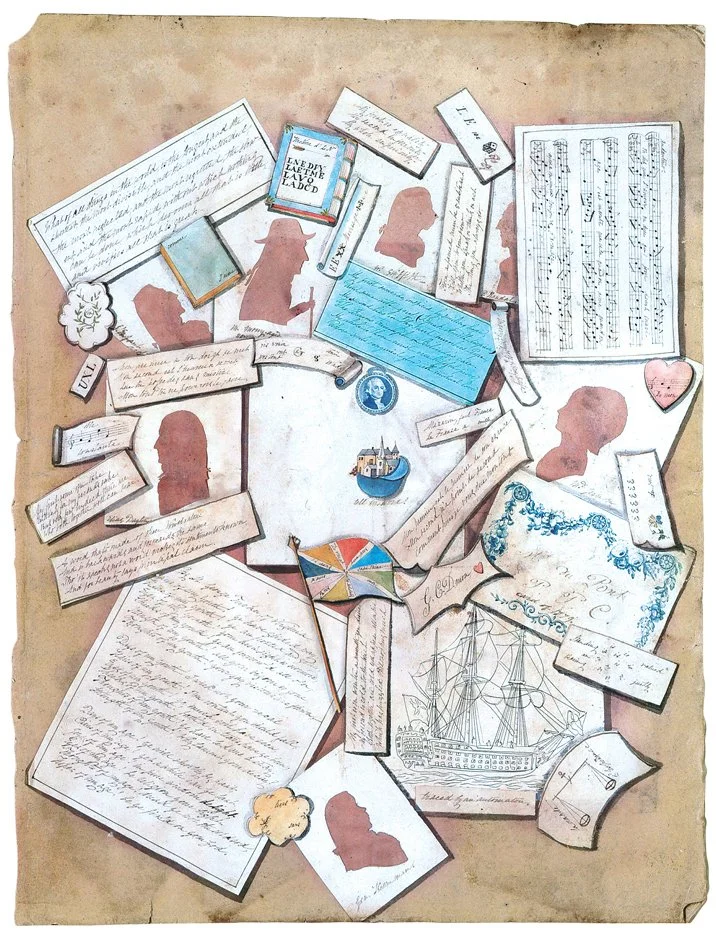
Fig. 3. Sarah De Hart, Collage with Silhouettes, Diplomatic Reception Rooms, United States Department of State, Washington DC.
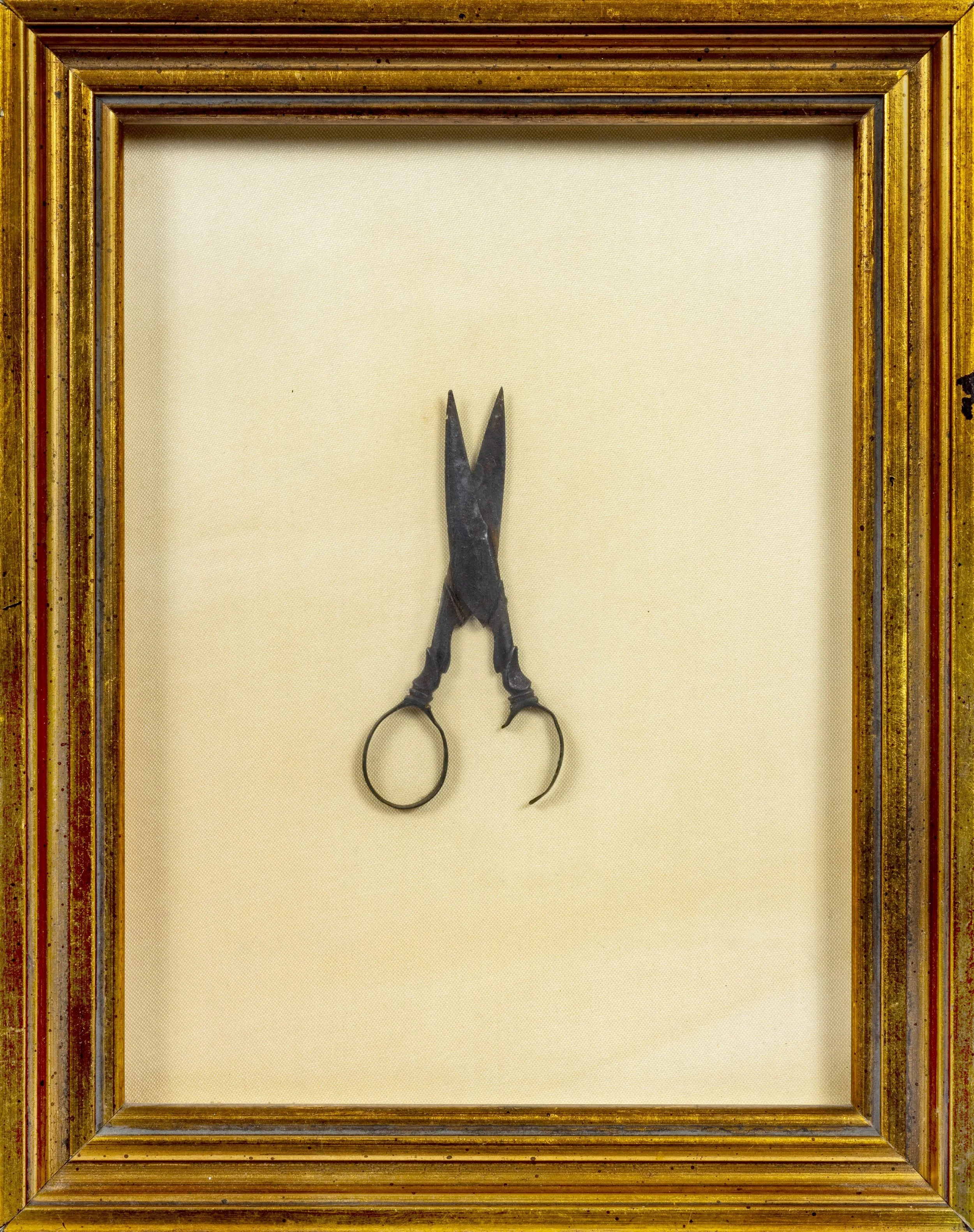
Fig. 2. Sarah De Hart’s scissors.
Sarah De Hart has largely been overlooked by art historians and is almost unknown in the literature on American art, likely because this group has long remained in private hands. Several of the silhouettes presented here have previously been included in museum exhibitions, while in the scholarly literature, there has only been passing mentions of Sarah De Hart’s silhouette of George Washington.[7] In his diary and in his correspondence, Washington mentions Sarah De Hart and the silhouettes that she cut for him. In a letter of 8 March 1785 to William Gordon, he wrote: “Some imperfect miniature cuts I send you under cover with this letter—they were designed for me by Miss D’Hart of Elizabethtown—& given to Mrs Washington; who in sparing them, only wishes they may answer your purpose.”[8] This passage suggests that Sarah cut a large group of profile portraits of George Washington, which he and Martha gave away as gifts. One example of a silhouette by Sarah De Hart gifted by Martha Washington has survived to the present. It served as the basis for the print of George Washington’s silhouette that was published in Washington Irving’s seminal Life of Washington.[9] Two examples of the bookplate from Irving’s publication are included in the group of works offered here (Fig. 4; Cat. Nos. 127-128). The plates are dedicated, “From the Original (cut with Scissors) by Miss De Hart, Elizabethtown, N. J. 1783. Presented by Mrs. Washington to Mrs. Duer, Daughter of Lord Stirling.”[10] An inscription on the reverse of one of our prints states that the “original” silhouette by Sarah De Hart was in the collection of Marian Carson (1905–2004), the noted collector of early Americana in Philadelphia.[11] Rather than there being a sole original silhouette of Washington by the artist, it is likely that the silhouette depicted in the print was one of many that Sarah cut, and shows specifically the example that Martha Washington gifted to Catherine Duer (1755–1826). The silhouette from the collection of Marian Carson is now in the collection of the Library of Congress (Fig. 5).[12] Clearly some artistic liberties were taken in the creation of the engraved profile based on the silhouette given the differences in Washington’s appearance.
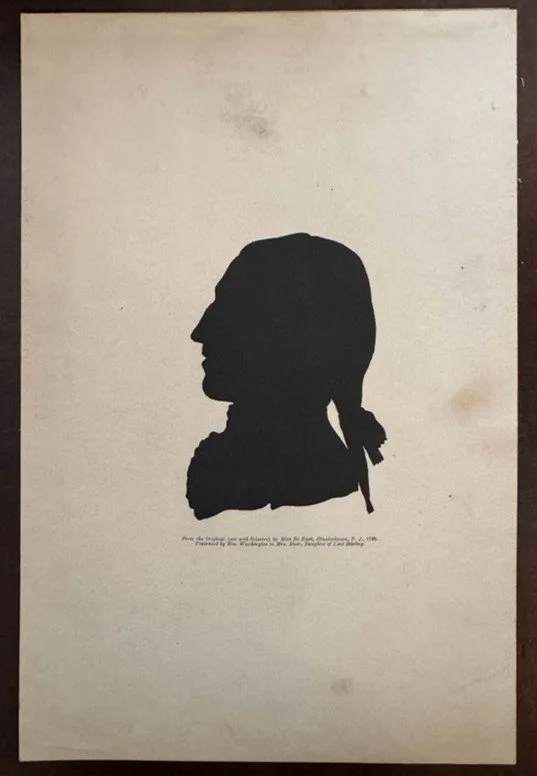
Fig. 4. After Sarah De Hart, Portrait of George Washington, engraving, from the present group.
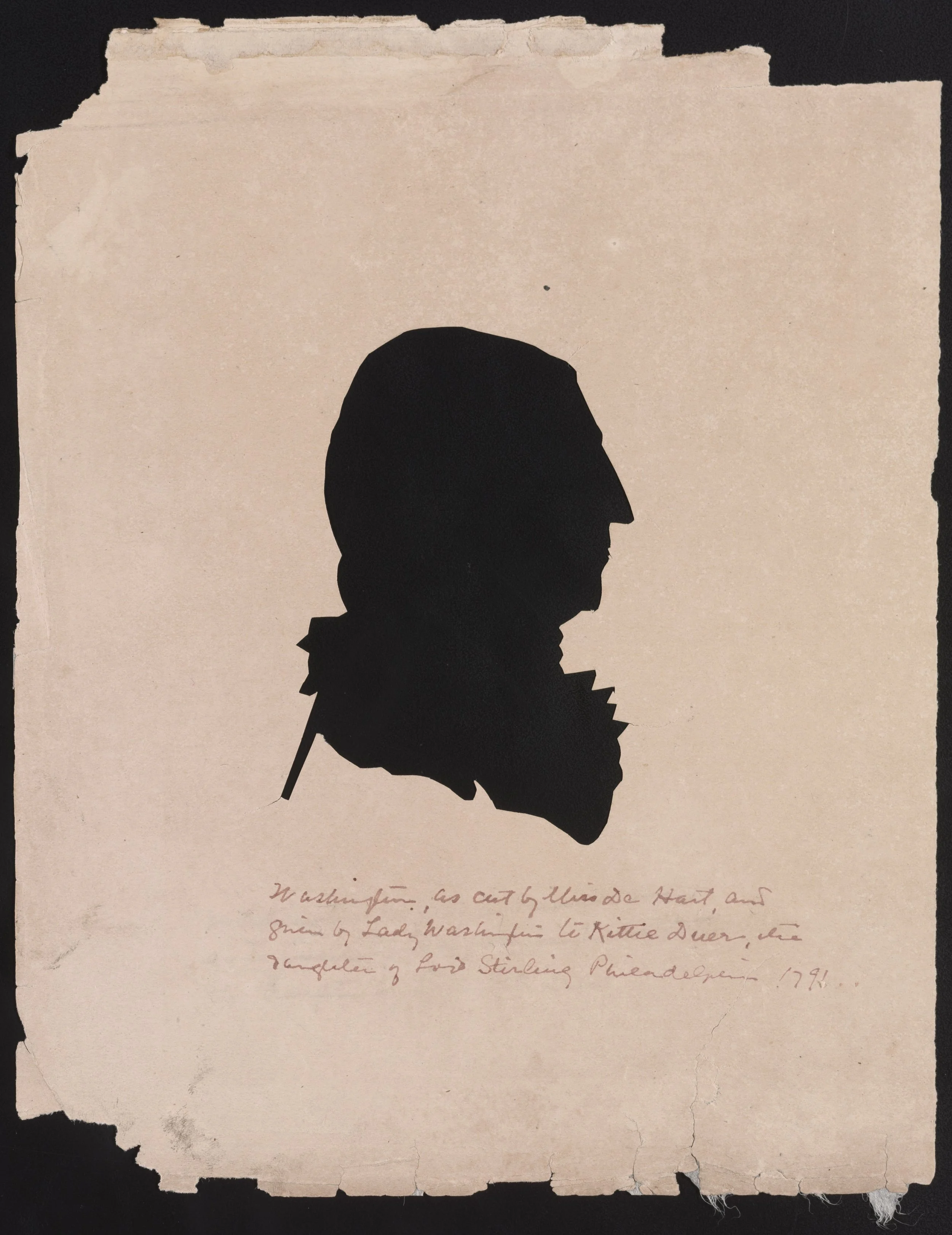
Fig. 5. Sarah De Hart, Portrait of George Washington, Library of Congress, Washington DC.
The works presented here reveal Sarah’s masterful skill at making hollow-cut portrait silhouettes. In addition to the identified sitters, which include familial relations, locals in Elizabethtown, and one notable figure of early American history (the Marquise de Lafayette), Sarah De Hart’s silhouettes present a rich variety of unidentified sitters rendered with a striking realism. Ladies with voluminous wigs and whimsical hats, as well as men with stylish queues and an array of neckwear provide a window into the styles of the late 1700s and early 1800s. Indeed, most of the silhouettes can be dated to before 1795 on the basis of the hairstyles and hats. Especially notable among the unidentified sitters is the silhouette of a presumed Revolutionary soldier dated 1771 (Fig. 6), which was completed when Sarah was 12 years old and is thought to be the earliest American portrait silhouette. Another treasure of the group is the artist’s self-portrait (Fig. 7), affectionately inscribed “Dear Aunt Sally,” probably by her niece Juliet De Hart Smith (1807–1876), who first inherited and carefully preserved this group of works.
While humble in scale and materials, the expertly cut silhouettes of Sarah De Hart reveal her to be a significant practitioner of this craft, one who deserves greater attention and study.
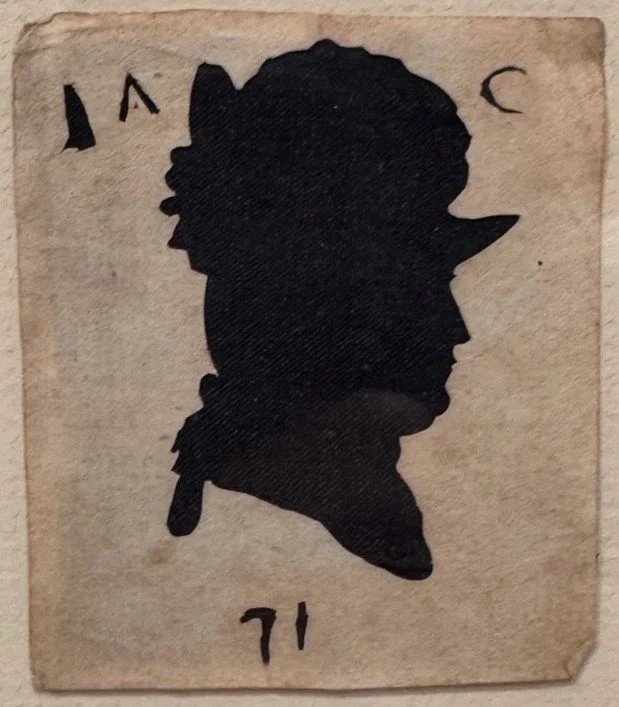
Fig. 6. Sarah De Hart, Portrait of a Colonial Soldier, dated 1771.
Fig. 7. Sarah De Hart, Self-Portrait, inscribed, “Dear Aunt Sally.”
[1] Juliet De Hart was the daughter of Jacob De Hart (1764–1813), Sarah’s brother. Juliet was the only one of Jacob’s daughters that married, and Sarah’s silhouettes descended in her family. According to later inscriptions on the silhouettes, the earliest inscriptions identifying the sitters were written by Louisa De Hart (1796–1878), Juliet’s sister.
[2] Previously the silhouettes were said to have descended from Juliet De Hart to Rowe Smith (presumably Joseph Rowe Smith III, who eventually sold the works out of the family’s collection). Juliet had four children: Pamelia Smith (1830–1889), General Joseph Rowe Smith Jr. (1831–1911), Henry Warren Smith (1836–1869), and Joseph R. “Horace” Smith (1845–1931). Presumably the silhouettes passed to Henry Warren Smith and then on to his son, who inscribed several of the silhouettes “J. R. Smith” around 1912. A third hand is discernable amongst the inscriptions, but the identity of the writer is not known (see Cat. Nos. 1, 39, 40.
[3] The Keenes gave a collage made by Sarah DeHart, containing 7 silhouettes to the U. S. Department of State because one of the silhouettes was of Pierre Charles L’Enfant, designer of the City of Washington, D.C., and it was thought to be the only known image of him: https://www.visitthecapitol.gov/artifact/
pierre-lenfant-silhouette-sarah-dehart-ca-1785. At the time of the Keenes’ donation in 1973, James Keene wrote to an administrator at the public records office in D.C. stating that he had bought the group of silhouettes via George Heckroth (a dealer and book collector in Michigan) about 25 years earlier. See the lot description: Sotheby’s, New York, “Important Americana: Collection of Mr. and Mrs. James O. Keene,” 16 January 1997, lot 231.
[4] Sarah’s parents were John De Hart (1728–1795) and Sarah Dagworthy (ca. 1734–1817) of Elizabethtown, N.J. John was a lawyer and served in the First Continental Congress of 1774 and the Second Continental Congress in 1775. He later was the mayor of Elizabethtown and was elected Chief Justice of New Jersey. The De Hart house at 101 Rahway Avenue in Elizabeth remained standing until ca. 1932. See: https://www.elizpl.org/historicbuildings.html.
[5] Sarah worked before the invention of the physiognotrace, a device that aided in cutting profiles.
[6] https://www.themagazineantiques.com/article/antiques-authors-meet-with-secretary-of-state-hillary-rodham-clinton/.
[7] See: Ethel Stanwood Bolton, Wax Portraits and Silhouettes, Boston, 1915, p. 48; Alice Van Leer Carrick, Shades of Our Ancestors: Americans Profiles and Profilists, Boston, 1928, p. 18; Emily Nevill Jackson, Silhouettes: A History and Dictionary of Artists, New York, 1981, p. 93; and Gustavus A. Eisen, Portraits of Washington, New York, 1932, vol. 2, p. 590.
[8] https://founders.archives.gov/documents/Washington/04-02-02-0280. George Washington’s diary entries of October 1786 also mention that Sarah DeHart, her sister, and her brother-in-law arrived on the evening of the 26th after dinner in a post-chaise and stayed with the Washington’s for several days, departing on the morning of the 28th. See: https://founders.archives.gov/documents/Washington/01-05-02-0001-0004.
[9] Washington Irving, Life of Washington, vol. 4, New York, 1859, appears as an unnumbered plate between pp. 515-517.
[10] Lady Duer refers to Catherine Alexander Duer (1755–1826), a member of the prominent Livingston family from the Hudson Valley in New York. Her uncle Phillip Livingston (1716-1778), a New York delegate to the Continental Congress, signed the Declaration of Independence. Her family was well acquainted with the Washingtons and George Washington gave her away at her 1779 wedding to Colonel William Duer (1747–1799).
[11] The inscription reads: “Original owned by Marian/ Carson, Phila./ (Washington Square).”
[12] The work measures 9 ½ x 7 inches and is inscribed “Washington, as cut by Miss De Hart and given by Lady Washington to Kittie Duer, the daughter of Lord Stirling, Philadelphia 1791.” See: https://www.loc.
gov/pictures/item/2015650340/.