
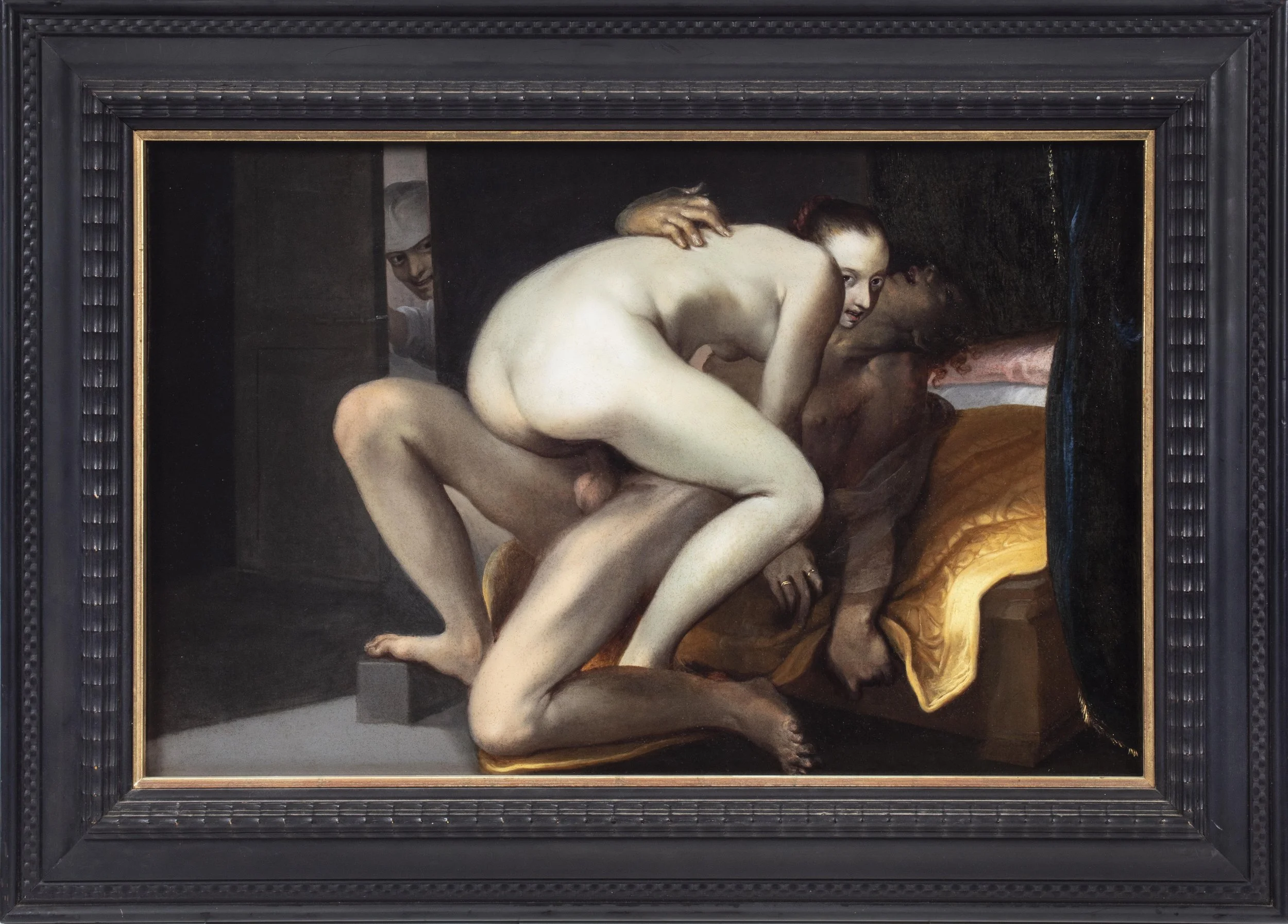
Follower of
GIULIO ROMANO,
16th Century
The Lovers Observed
Oil on copper, 12 x 18 ¼ inches (30.5 x 46.4 cm)
Provenance:
Private Collection, Spain, until 2025.
This extraordinarily rare example of Renaissance erotic imagery directly follows in the tradition of Giulio Romano’s scandalous I Modi—illustrations of 16 sexual positions engraved by Marcantonio Raimondi in the 1520s and censored soon after. The composition of our painting, however, is unique, with its depiction of a woman graphically mounting a man who is lost in pleasure and apparently oblivious to the fact that his lover appears to be pick-pocketing him.
While his head is thrown back in abandon, she looks out intently at the viewer. A figure in the left background observes the action through an open door—an accomplice as much as a voyeur. The prominent placement of gold rings on the woman’s hand raises further questions about the motives and meaning of the scene, perhaps as humorously moralistic as it was pornographic in intent.
Today there are no known copies of the first two editions of I Modi, as the suppression efforts led by the papacy were exhaustive. Agostino Veneziano is thought to have made a replacement edition of engravings after the originals around 1530. It is likely that only one set was made, as only a single complete engraving and nine fragments have survived. A later engraving in the Albertina Museum—a copy after Veneziano’s version—shows the close relationship, in subject if not composition, between the present painting and the scenes of I Modi (Fig. 1), especially with the voyeur peering through the window. The existence of a woodcut booklet copy of I Modi from ca. 1555 confirms that there were more images in Giulio Romano and Marcantonio Raimondi’s original editions than have survived, and it is possible that the composition of our painting might relate to one of them. It is not clear whether the similarity of the position of the legs of the male in the present work with that in Caravaggio’s Saint John the Baptist (Fig. 2), in reverse, is causal or coincidental.

Fig. 1. Anonymous, 16th Century, Erotic Scene after I Modi, Albertina Museum, Vienna.
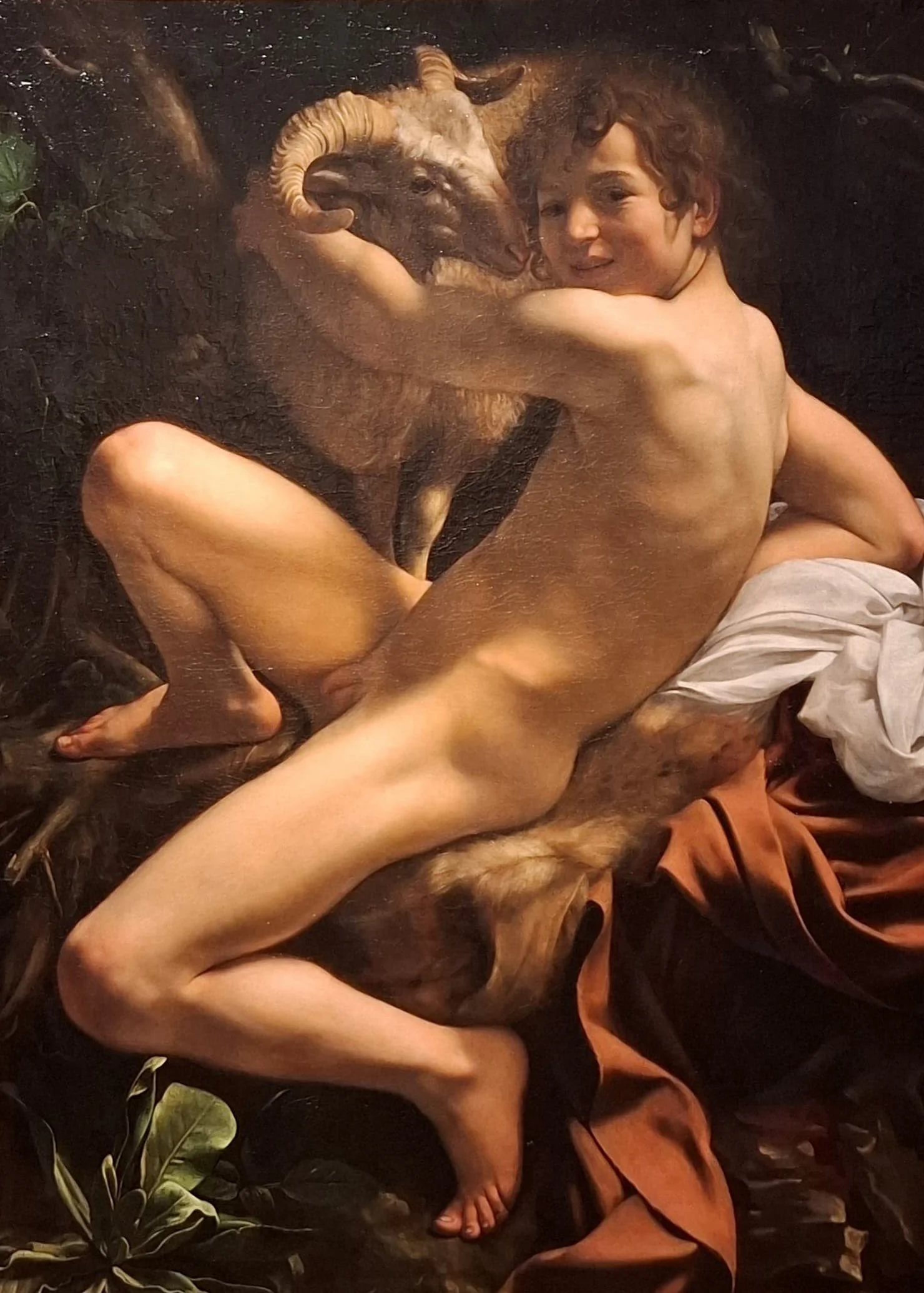
Fig. 2. Caravaggio, Saint John the Baptist, Capitoline Museums, Rome (image reversed).
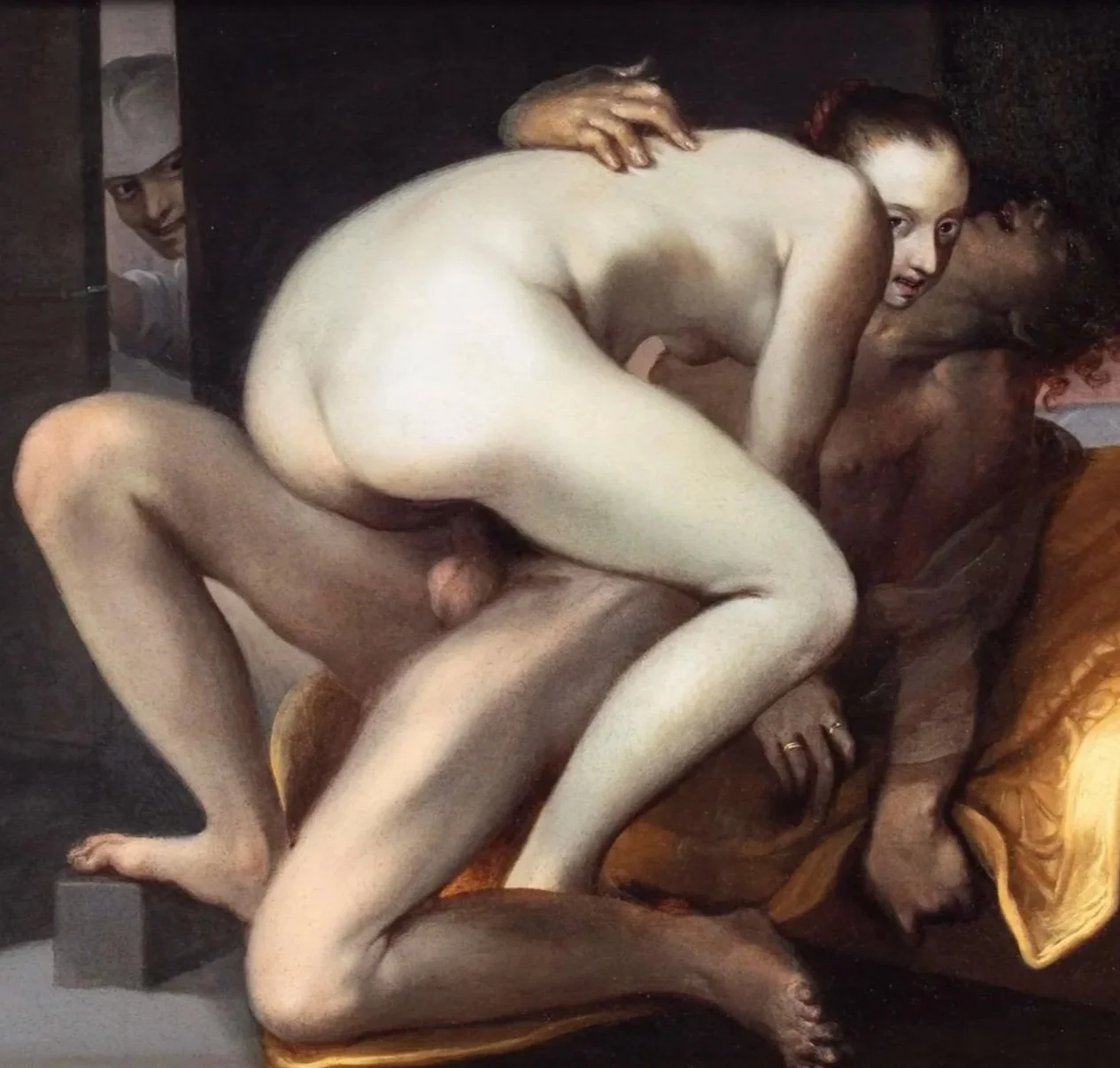
Fig. 3. Detail of the present work.