
WINSLOW HOMER
(Boston, MA 1836 – 1910 Prouts Neck, ME)
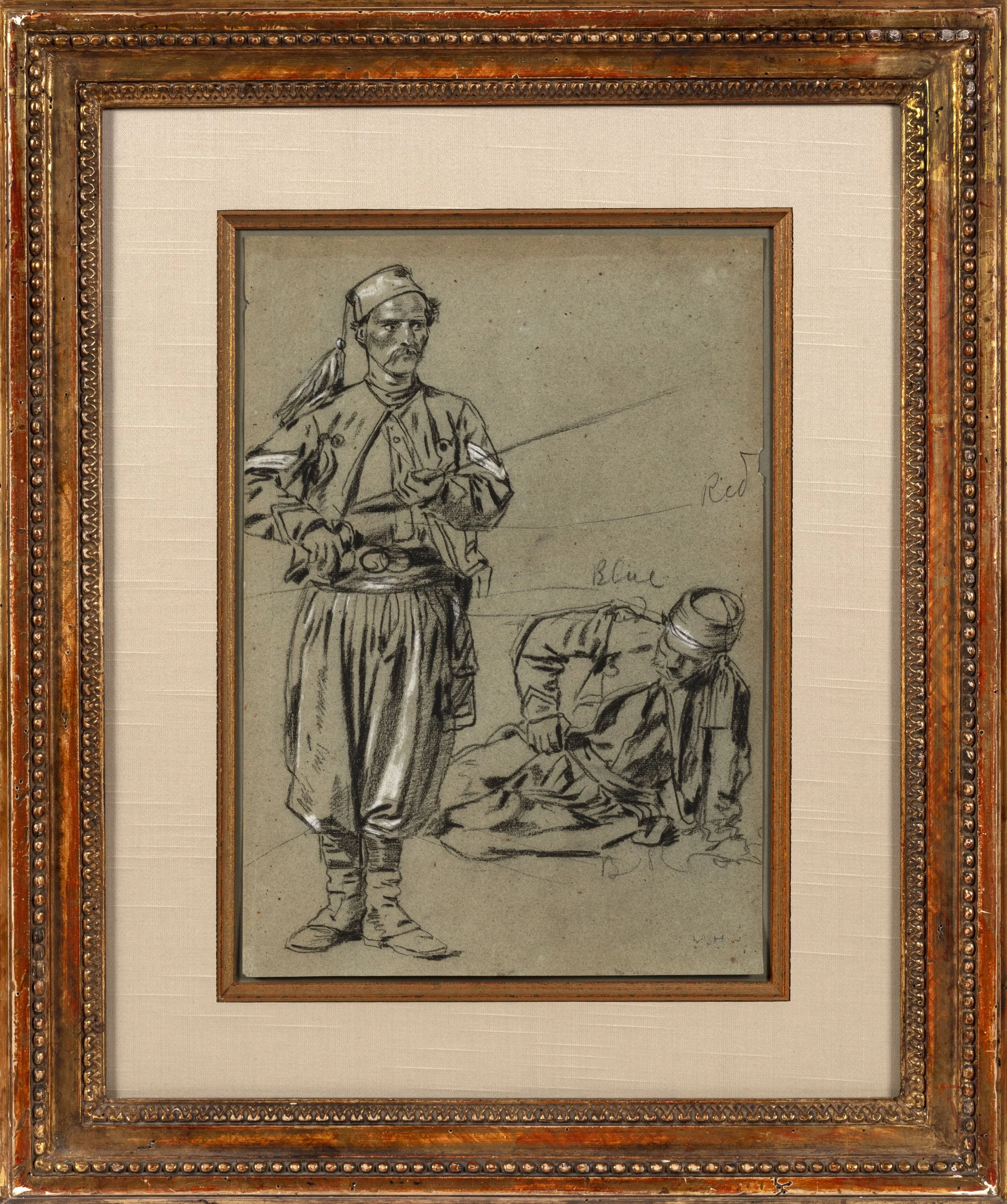
Two Zouaves
Signed in monogram, lower right: W.H.
Charcoal and white chalk on blue paper
14 ⅜ x 9 ⅞ inches (36 x 25.1 cm)
Provenance:
(Possibly) Charles F. Libbie & Co., Boston, Massachusetts, 27–29 May 1878.
Leonard & Company, Boston, Massachusetts, unidentified auction; where acquired ca. 1893 by:
William Sumner Appleton Jr. (1874–1947), Boston, Massachusetts; by whom given ca. 1950 to his sister:
Dorothy Appleton Weld (1878–1965),[1] Santa Barbara, California; gifted ca. 1966 to her daughter:
Sumner Appleton Weld (1912–1987), Marblehead, Massachusetts; by whom sold:
Sotheby Parke-Bernet, New York, 15 November 1967, lot 17; where acquired by:
Dr. John J. Siudmak (1924–2022), Cedar Grove, New Jersey; by whom sold:
Sotheby’s, New York, 1 December 2004, lot 130; where acquired by:
Ambassador J. William Middendorf II, Rhode Island, until 2025.
Exhibited:
“Winslow Homer in Monochrome,” M. Knoedler & Co., New York, 12 December 1986 – 10 January 1987, no. 11.
“Winslow Homer at Harvard,” Harvard Art Museums, Cambridge, Massachusetts, 31 August 2019 – 5 January 2020.
Literature:
Art at Auction: The Year at Sotheby’s & Parke-Bernet 1967–1968, New York, 1968, p. 184, illustrated.
Lloyd Goodrich with Abigail Booth Gerdts,Winslow Homer in Monochrome, exh. cat., M. Knoedler & Co., New York, 1986, p. 19, no. 11, illustrated, lent by Dr. John J. Siudmak.
Lloyd Goodrich with Abigail Booth Gerdts, Record of Works by Winslow Homer, vol. 1, New York, 2005, p. 288, cat. no. 233.
Winslow Homer is renowned for his powerful images of American life and his engagement with the issues of his day. Between 1862 and 1865, Homer’s art was absorbed with the Civil War, as he traveled to make illustrations of the conflict for Harper’s Weekly. Amongst his iconic sketches of battle and camp life, perhaps the most compelling are his drawings of Union soldiers of the 5th New York Volunteer infantry, known as Duryee’s Zouaves. The regiment derived its name and fantastic uniforms from the original Zouaves—Algerian mercenaries who gained fame fighting for the French in the Crimean War (1853–1856). Wearing red tasseled caps, blue filigreed jackets, and baggy trousers, the Zouaves must have been an extraordinary sight in the visual landscape of the war.
Homer seized on the Zouaves as a subject for a major, largescale painting about the Civil War. The present drawing belongs to a small group of studies from life that the artist made in the field in 1864, the majority of which are now in major museum collections, including the National Gallery and the Harvard Art Museums (Figs. 1-2).[2] These drawings served as source material for Homer’s finished painting of a moment of leisure in a Union encampment, Pitching Quoits, in the Harvard Art Museums (Fig. 3).[3] This was one of the most ambitious works of the early part of Homer’s career. He submitted the work to the jury for the National Academy of Design Annual Exhibition of 1865 and was elected as full Academician based on its acceptance.
Our drawing of two Zouaves is especially fine and stands out from the group for Homer’s masterful handling of the charcoal and white chalk, particularly in the articulation of the drapery and the creation of volume with light and shadow. While neither figure was ultimately incorporated into Pitching Quoits, the drawing reveals Homer’s close observation of the soldiers and attention to detail in recording their appearance, especially in his inscriptions recording the colors of the uniforms. The drawing remarkably survives on a sheet of blue paper that retains much of its original color.
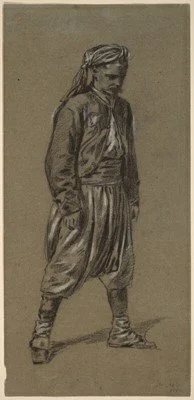
Fig. 1. Winslow Homer, Zouave, National Gallery, Washington DC.
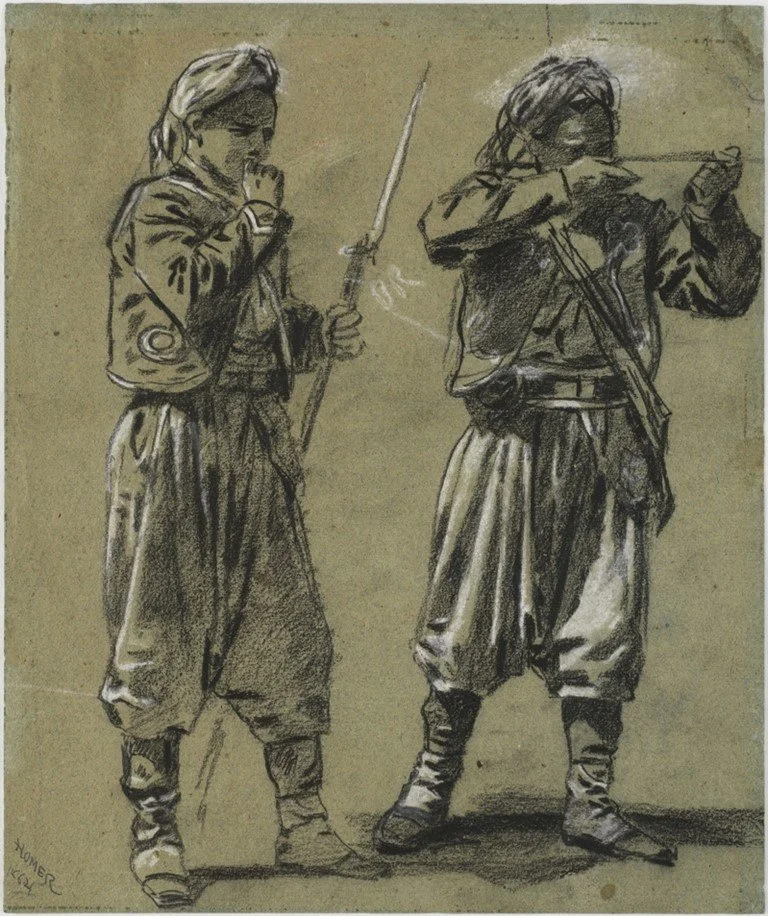
Fig. 2. Winslow Homer, Zouaves, Harvard Art Museums.
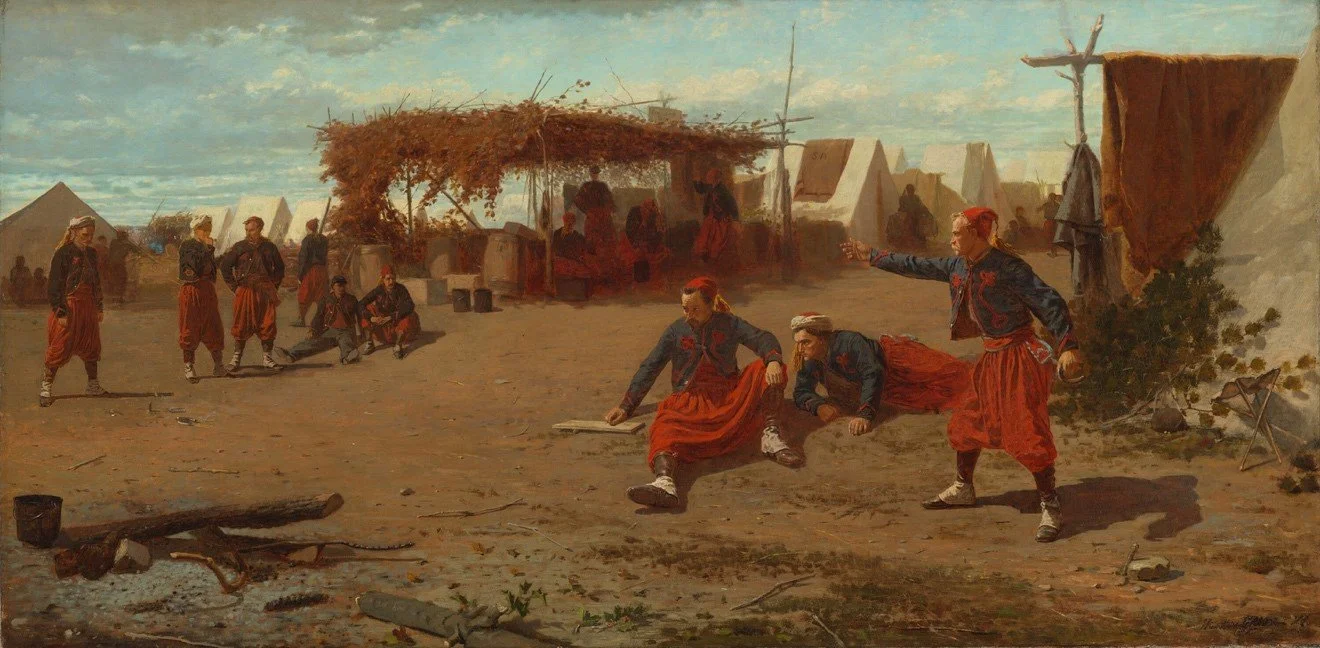
Fig. 3. Winslow Homer, Pitching Quoits, Harvard Art Museums.
[1] Sometimes referred to as Mrs. George Francis Weld (1866–1933).
[2] An oil study of a standing Zouave and a small, related painting titled The Briarwood Pipe in the Cleveland Art Museum also belong to this group of studies of 1864.
[3] The game of quoits was ordinarily played with heavy metal rings, but the soldiers here improvise with readily available horseshoes as the seated figure in the center keeps score.