
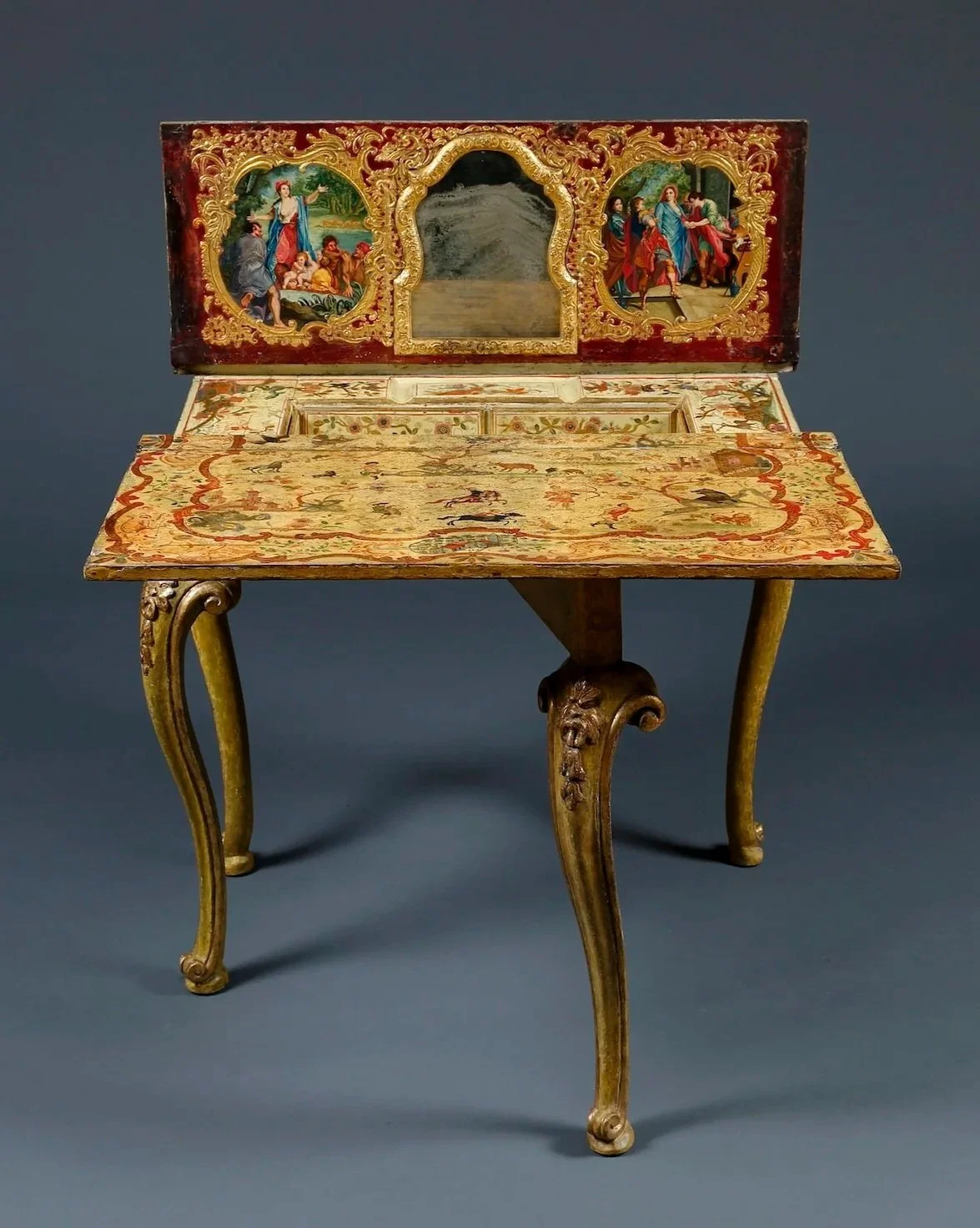
MEXICAN SCHOOL, ca. 1750
White Lacquer Dressing Table with Painted Interior
30 ¼ x 32 ¾ inches (76.8 x 83.2 cm), closed
32 ¾ inches (83.2 cm), depth open
17 ½ inches (44.4 cm), depth closed
Provenance:
Ambassador Raymond Henry Norweb (1895–1983) and his wife Emery May Holden Norweb (1896–1984), Bratenahl, Ohio.[1]
The Cleveland Museum of Art; deaccessioned.
This lacquer and polychrome ladies dressing table is an exceptional example of luxury furniture produced during the 18th century in Viceregal Mexico. With its blend of European iconography, Asian-inspired motifs, and indigenous techniques, this table beautifully reflects New Spain’s prime position as a center of global trade and artistic exchange. The Manila Galleons brought a rich variety of luxury goods from Asia to the port of Acapulco in Mexico, including porcelain, boxes, furniture, and folding screens (biombos). Local craftsmen began to imitate the visual language of these works, often creatively combining them with European influences, which engendered uniquely Mexican artforms that perfectly represent the diversity of the Viceregal world.
This dressing table likely originated in the southern city of Pátzcuaro, which was especially known for its tradition of lacquer work and particularly the use of gilding. Many pieces from this region exhibit strong Asian influence and include decorative motifs like weeping willows, peonies, pavilions and exotic birds. Mexican lacquerware imagery frequently focused secular subjects, especially drawn from classical literature and mythology. A 17th-century cabinet from Pátzcuaro in the Museo Franz Mayer, which is painted with a less common white lacquer ground (like this dressing table), depicts a scene with Jupiter’s chariot being pulled by girls (Fig. 1).
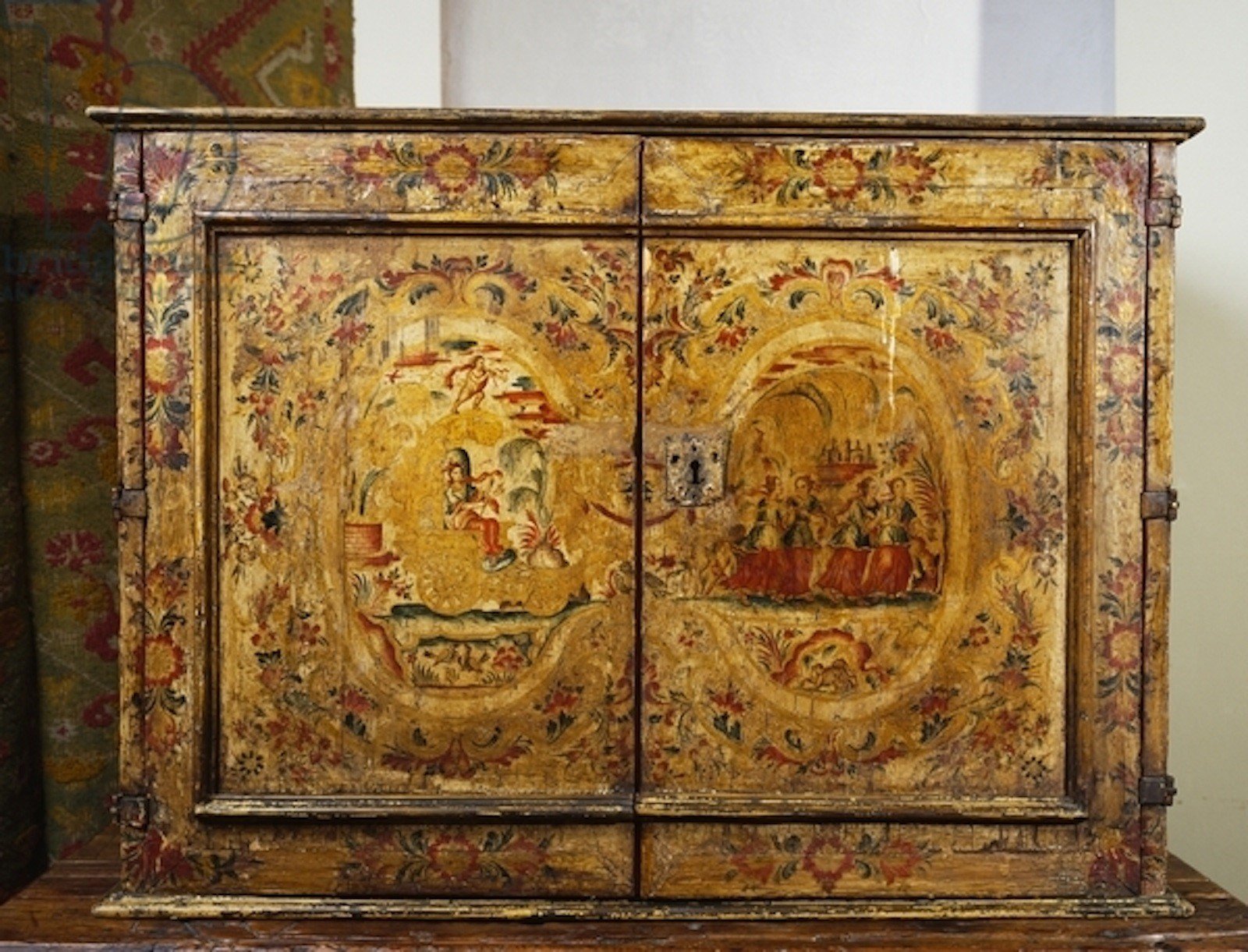
Fig. 1. Mexican School, 17th Century, Lacquer Cabinet, Museo Franz Mayer, Mexico City.
When fully closed, our dressing table presents an elegant, yet simple Rococo form (Figs. 2-3). The top is decorated with a rocaille border executed in imitation of guadamecí—a Spanish tradition of embossed and gilded or painted leatherwork practiced as early as the 9th century (Fig. 4). Another distinctive feature (and a staple in colonial Spanish furnishings from the 18th century onward) is the cabriole leg, adopted from the Queen Anne and Chippendale styles of Great Britain. In certain cases, they are adorned at the knee with carved shells, cabochons, acanthus leaves, or grotesque masks, like those on the present work.
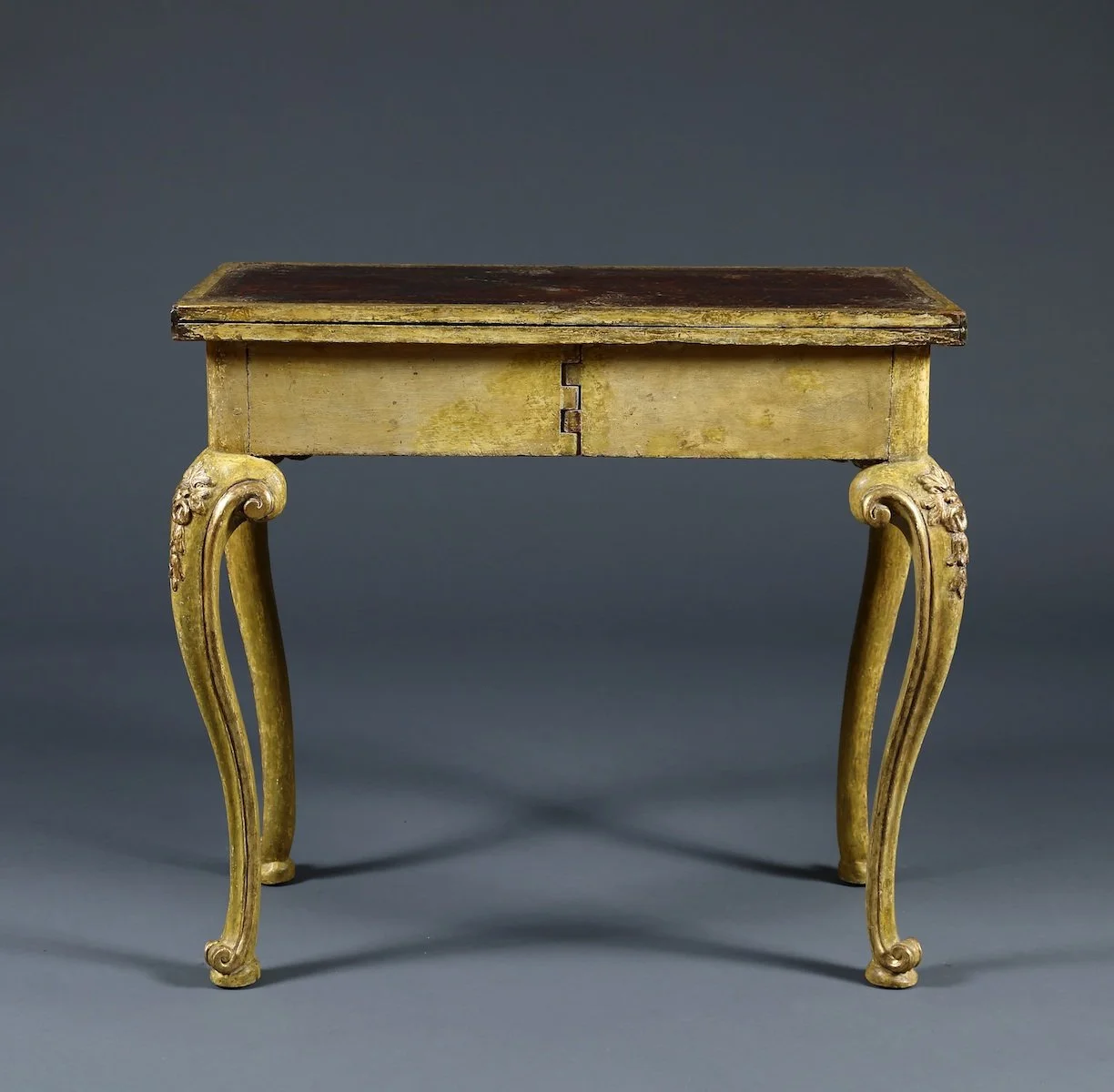
Fig. 2. The present dressing table, closed.
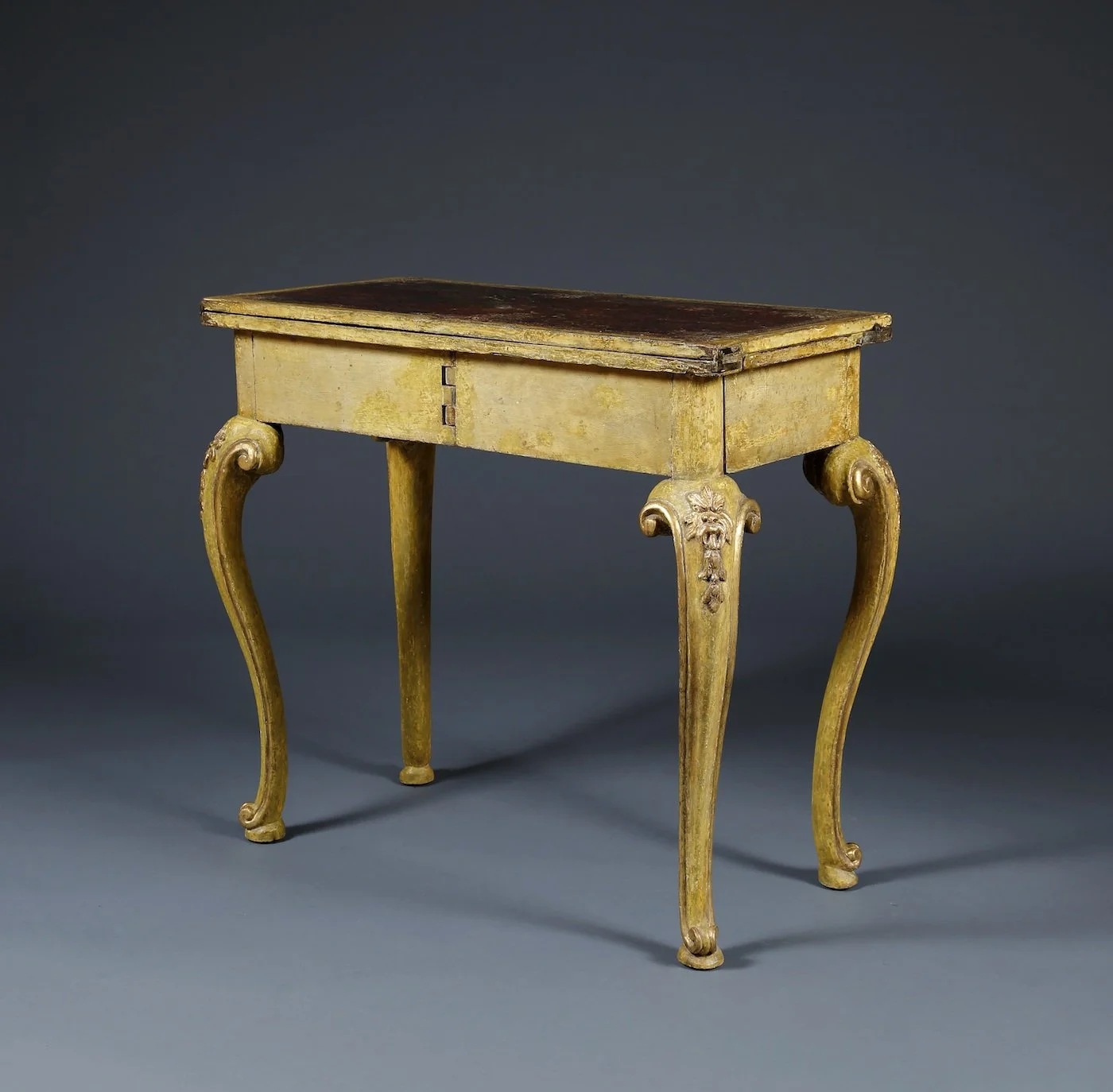
Fig. 3. The present dressing table, closed.
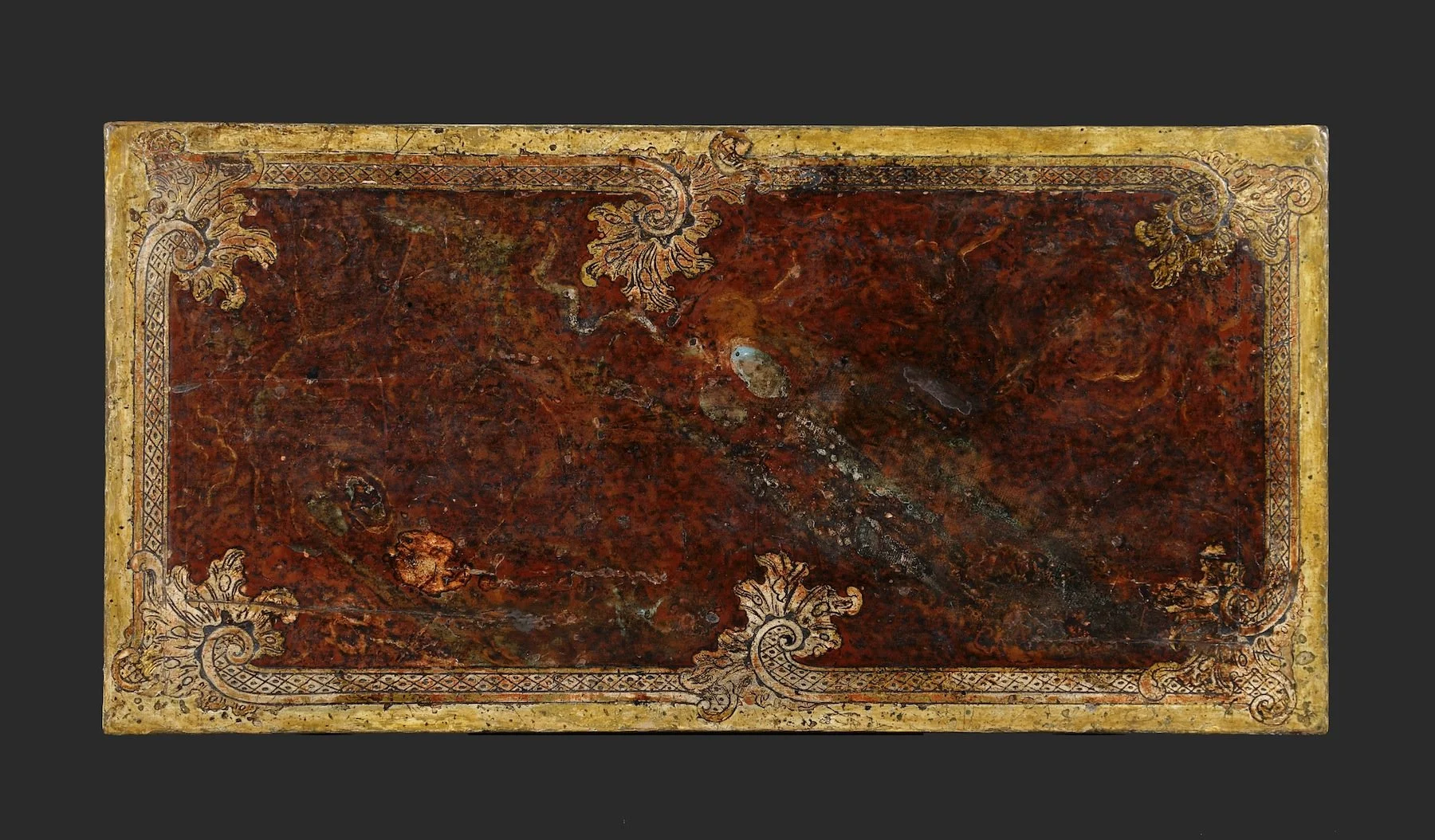
Fig. 4. The leather top of the present dressing table, closed.
This table stands out amongst similar objects for the rich variety of elaborate decorative elements concealed within. The rear gate leg of the dressing swings open to support a top that is decorated with a continuous rocaille frame. When opened, the top first unfolds to reveal a large surface populated with a variety of flora, fauna, architectural elements, and vignettes from classical antiquity (Figs. 5-6). In the upper section, two mythological figures, likely Triton and Diana, ride in their respective chariots. Another figure hunts a stag with bow and arrow to one side, while a cluster of buildings stands in the center and colorful birds fly throughout. The lower section of the open tabletop includes a hunting scene with riders on horseback and two figures on foot pursuing a lion and a bear. Above this chase, a more pastoral scene unfolds with a solitary kilted figure dancing while playing a pipe or whistle. He is surrounded by numerous animals, including a bull, goats, a dog and, curiously, a unicorn. Further architectural scenes are found on the left and right sides of this section. Throughout the entire tabletop Asian-inspired rock formations issuing large branches with flowers are painted with gilded highlights. A red and gilt border of rocaille and floral decoration surrounds the entire tabletop. The most interesting aspect of the top can be found in the lower central section of this border—an aerial view of an estate very much in the manner of a hacienda. This may follow an approach noted in other examples of Mexican furniture from the period, in which the owner’s property is included within the decorative scheme. The hacienda painted on the present table could be evidence of a grand home in which it once stood.
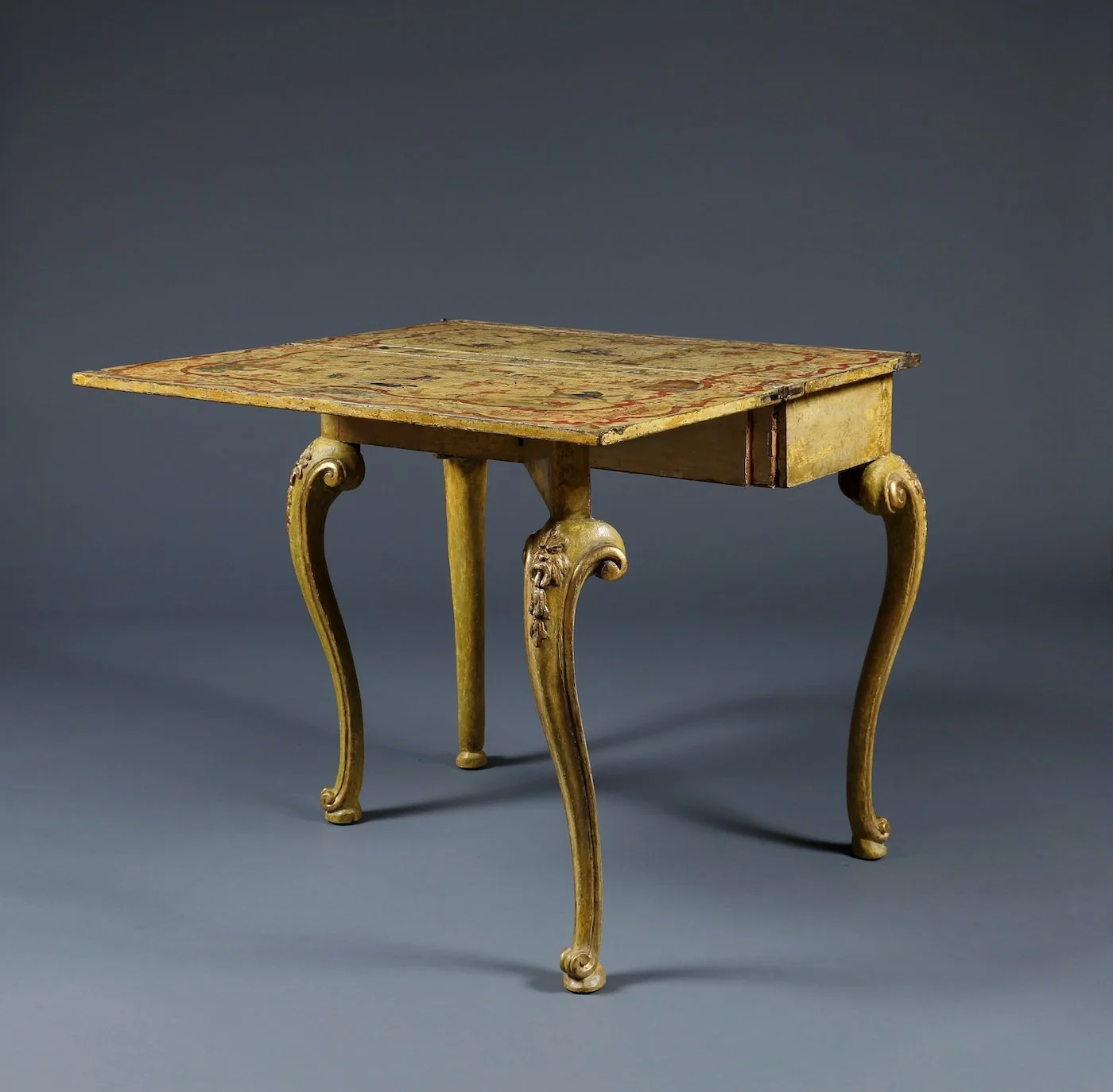
Fig. 5. The tabletop of the present work, when first opened.
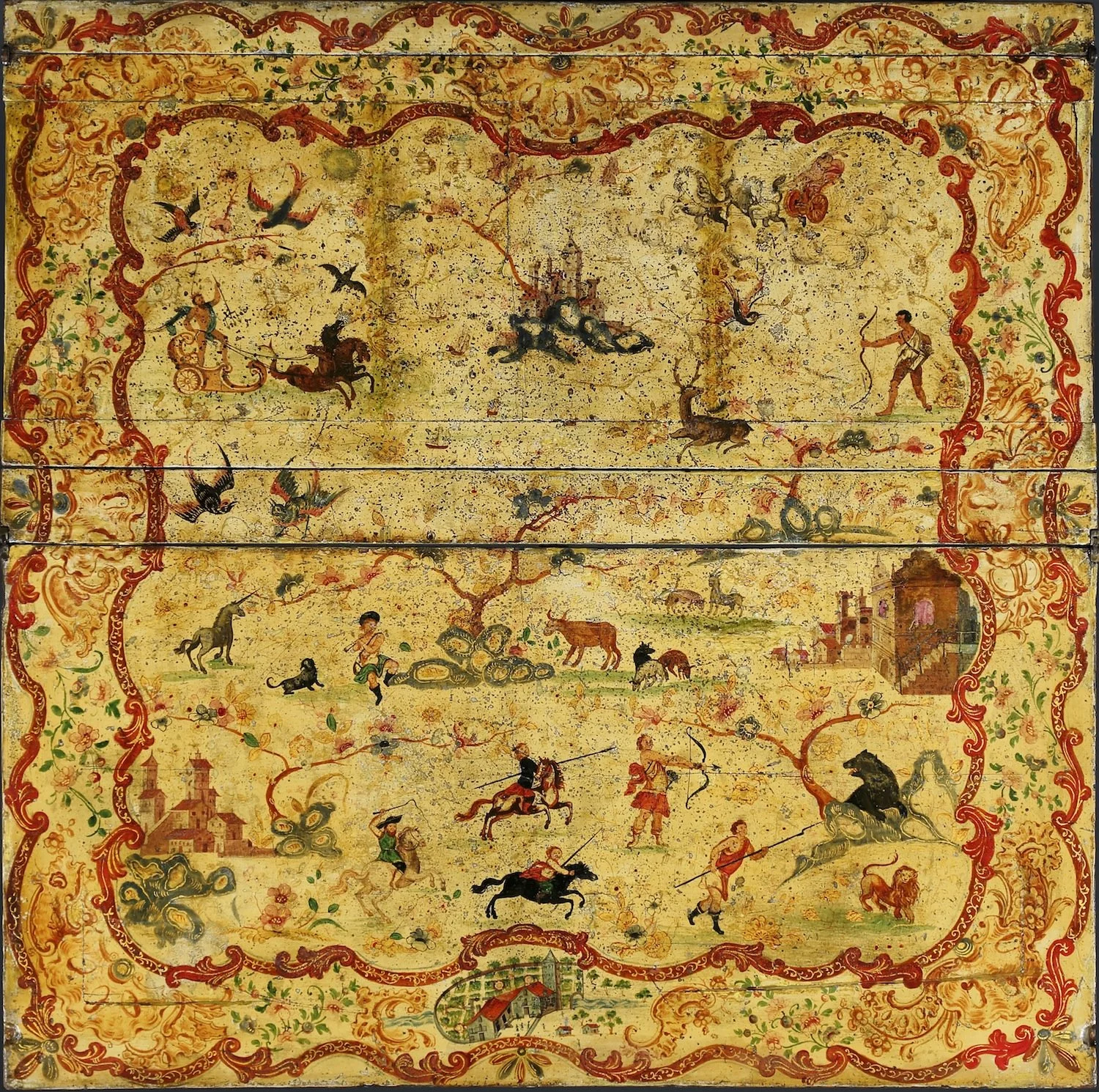
Fig. 6. The tabletop of the present work, when first opened.
The unfolded top opens up once more to reveal a gilt-framed mirror flanked by painted vignettes on a bold red ground above a hollow compartment surrounded by four drawers (Figs. 7-8). This section of the table was constructed with three-sided concave recesses specifically to accommodate the protruding mirror frame when folded in. The feature of projecting gilt frames serves to protect the painted vignettes, which are actually formed of opaque glazes rather than paint. The compartmented interior is painted with colorful chinoiserie decoration, including cherry blossoms and classical Chinese buildings. Other animals also populate the scenes, including colorful birds, a lion, a stag, and a playful monkey. There is even a horseback rider dressed in contemporary Spanish Viceregal fashion with a spear charging a sinuous dragon.
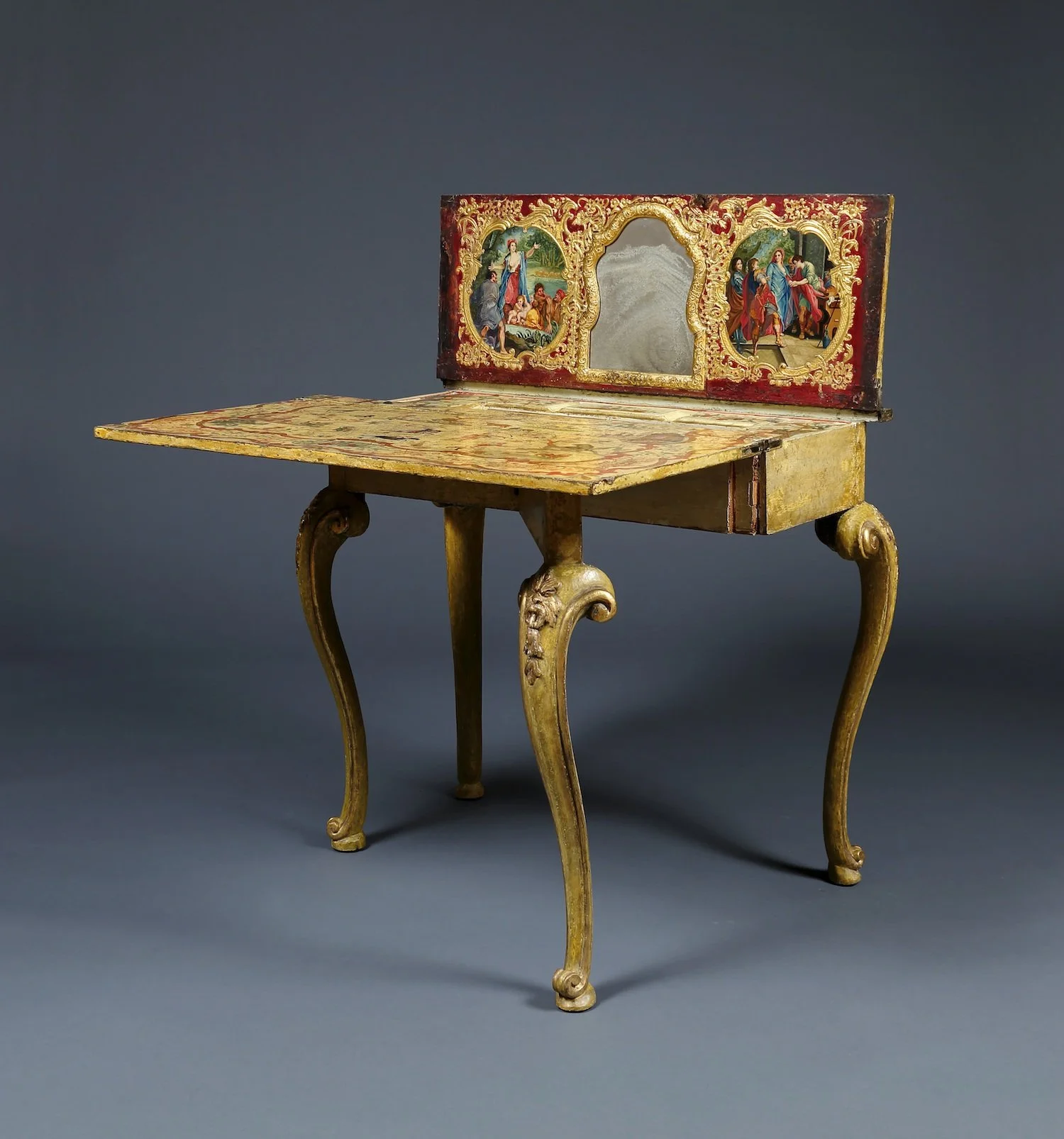
Fig. 7. The present dressing table, fully opened.
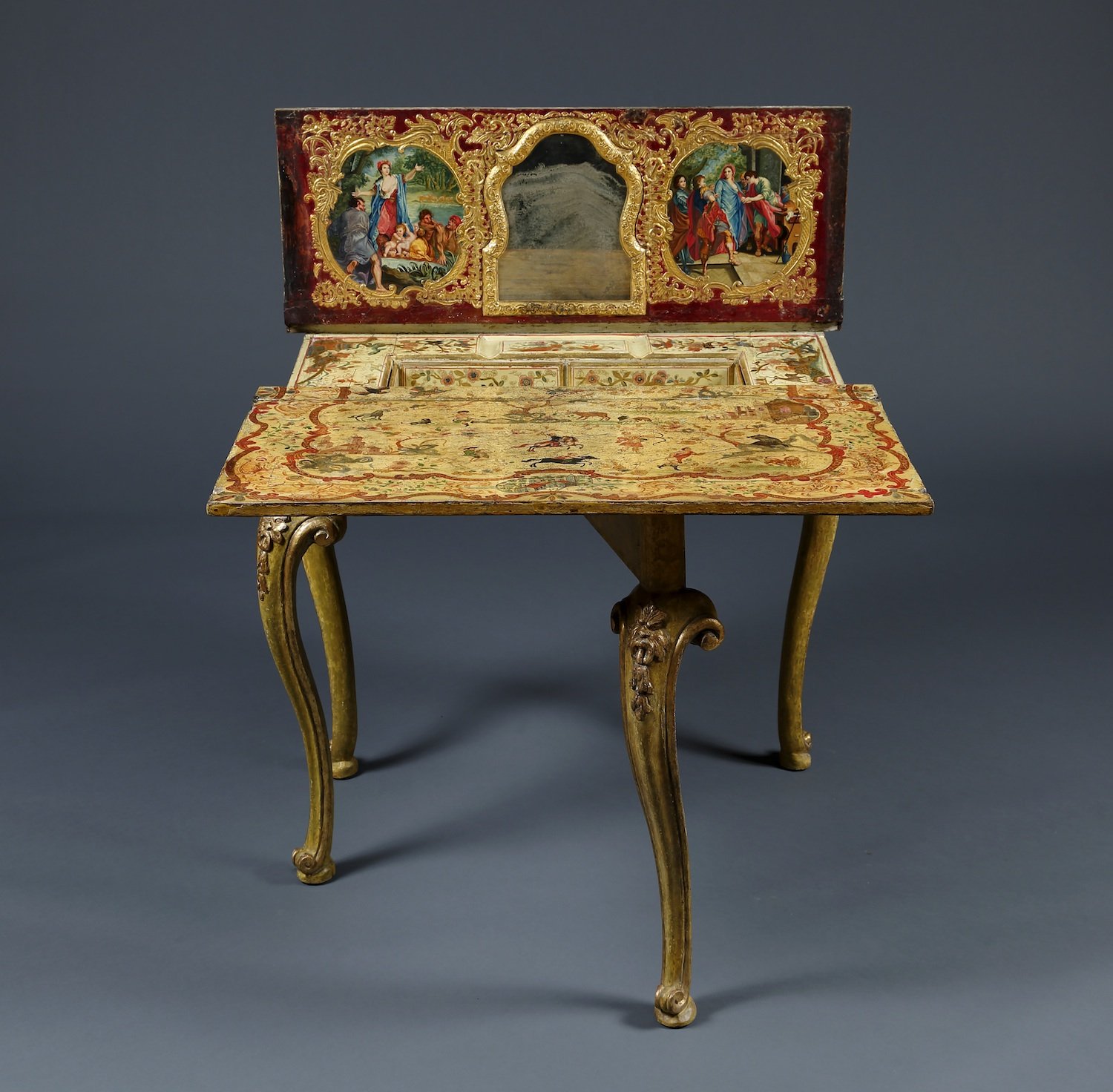
Fig. 8. The present dressing table, fully opened.
The paintings on the opened portion depict two subjects from classical sources that center on women and the themes of love (Fig. 9), which was especially fitting for private domestic furniture of this kind. On the left, the composition for the myth of Leto derives from a work by the French painter Jean Jouvenet (Fig. 10),[2] while on the right the depiction of Alexander the Great’s mistress Campaspe reproduces an engraving of L’Amitié Généreuse by Nicolas Vleughels (Fig. 11).[3]
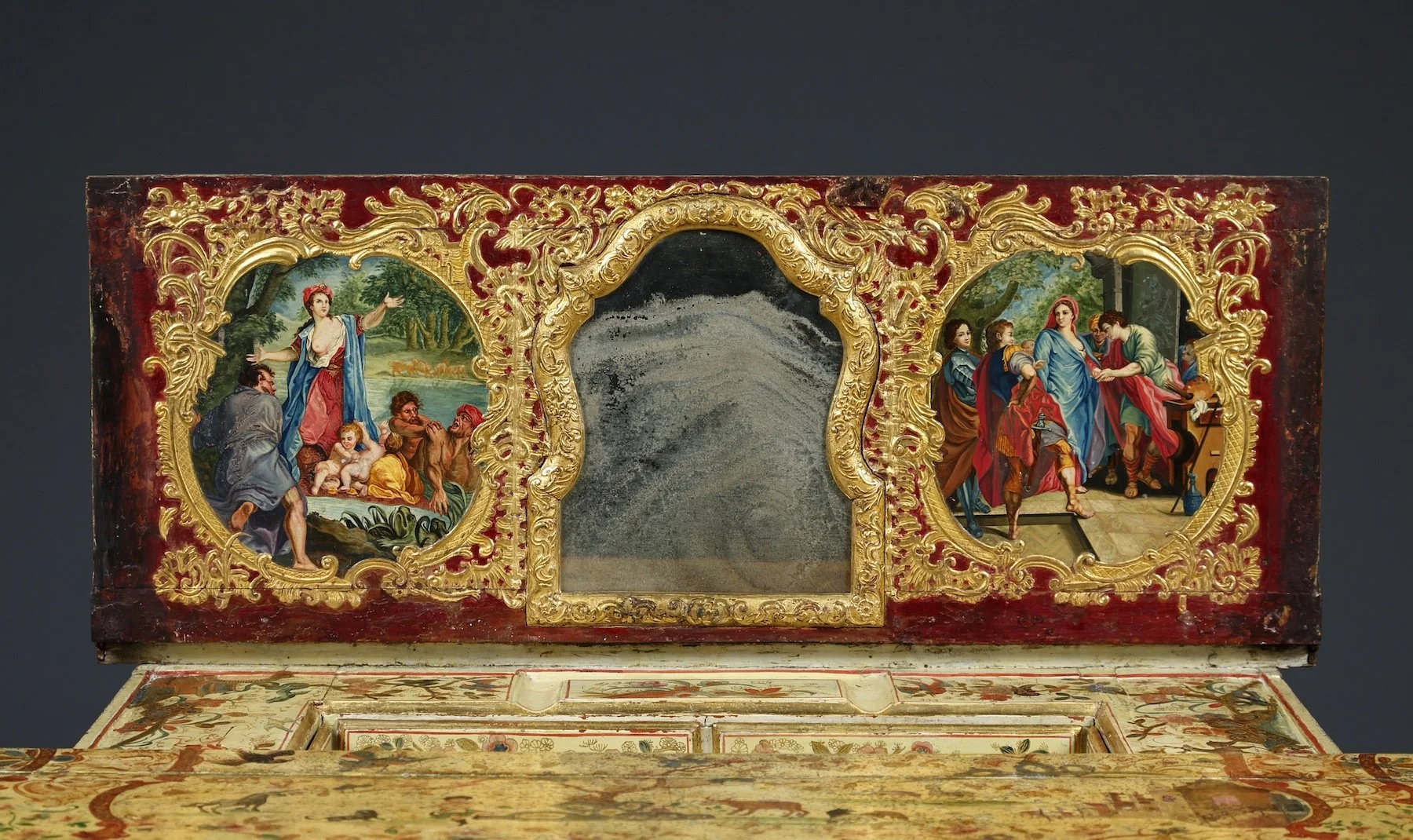
Fig. 9. The pair of paintings and mirror in the interior of the dressing table.
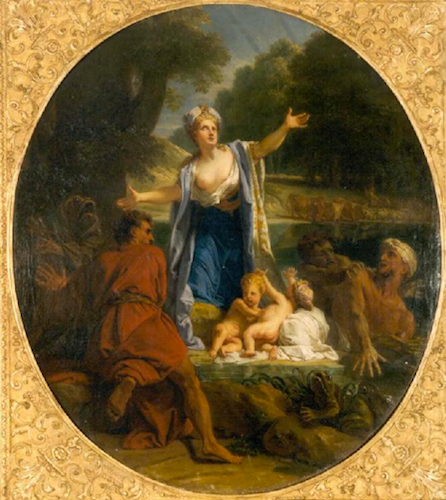
Fig. 10. Jean Jouvenet, Leto and the Lycian Peasants, Château Meudon, Paris.
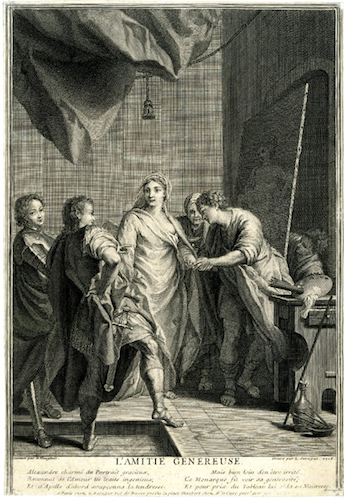
Fig. 11. Engraving after Nicolas Vleughels, L’Amitié Generous, 1716.
This dressing table was formerly in the collection of Ambassador Raymond Henry Norweb (1895–1983) and his wife Emery May Holden Norweb (1896–1984). Norweb was a career diplomat who served in several countries in Europe and Latin America between 1917 and 1948, including as Ambassador to Peru, Chile, Portugal, and Cuba.[4] Norweb and his wife retired to Katewood, a Victorian country house in Bratenahl, Ohio that had been the home of Emery May while growing up. Her father, Albert Holden, was an important mining industrialist who operated silver and gold mines in Mexico, and the home contained interesting artefacts including a fireplace mantel that by tradition had once been part of a sideboard and part of the furnishing of Hernán Cortés. It had come into the possession of the dictator of Mexico, Porfirio Diaz, at the turn of the century. The piece was given to Albert Holden in appreciation for the work he had done to develop Mexican gold and silver mines. Whether the present table was acquired by the Norweb’s during their time in Central and South America, or were inherited by them from Emery’s father, is not presently known.
[1] Bears an old painted inventory number: 50.367.
[2] The scene depicts the myth of Leto turning the Lycian peasants into frogs. According to Ovid’s Metamorphoses, Leto was wandering the earth after giving birth to Apollo and Artemis when she stopped to drink from a pond in Lycia. To prevent her from doing so, the peasants stirred up the mud from the bottom of the pond. As punishment for their lack of hospitality, Leto turned the peasants into frogs, forever dooming them to swim in murky waters.
[3] This painting tells the tale of Alexander the Great and the painter Apelles. The story was a favorite topic of Renaissance and Baroque painters. According to Pliny’s Natural History, Apelles, who was considered one of the greatest artists of the time, was commissioned by Alexander to paint the portrait of his favorite mistress, Campaspe. While doing so, Apelles fell in love with his sitter and in recognizing this, Alexander kept the painting but presented Campaspe to the artist.
[4] As an expert on South American affairs, Norweb served as the counselor to the American delegation to the International Conference of American States in Montevideo, Uruguay, in 1933 and became a counselor for the American embassy in Mexico City in 1934. He was a special advisor at the Inter-American Conference for the Maintenance of Peace in Buenos Aires in 1936. Norweb and his wife were also noted collectors of coins and authorities on numismatics, belonging to the Royal Numismatic Society, the Canadian Numismatic Association, the New York Numismatic Club, and the American Numismatic Society.