
PASCUAL PÉREZ
(Puebla, Mexico ca. 1663 – 1721)
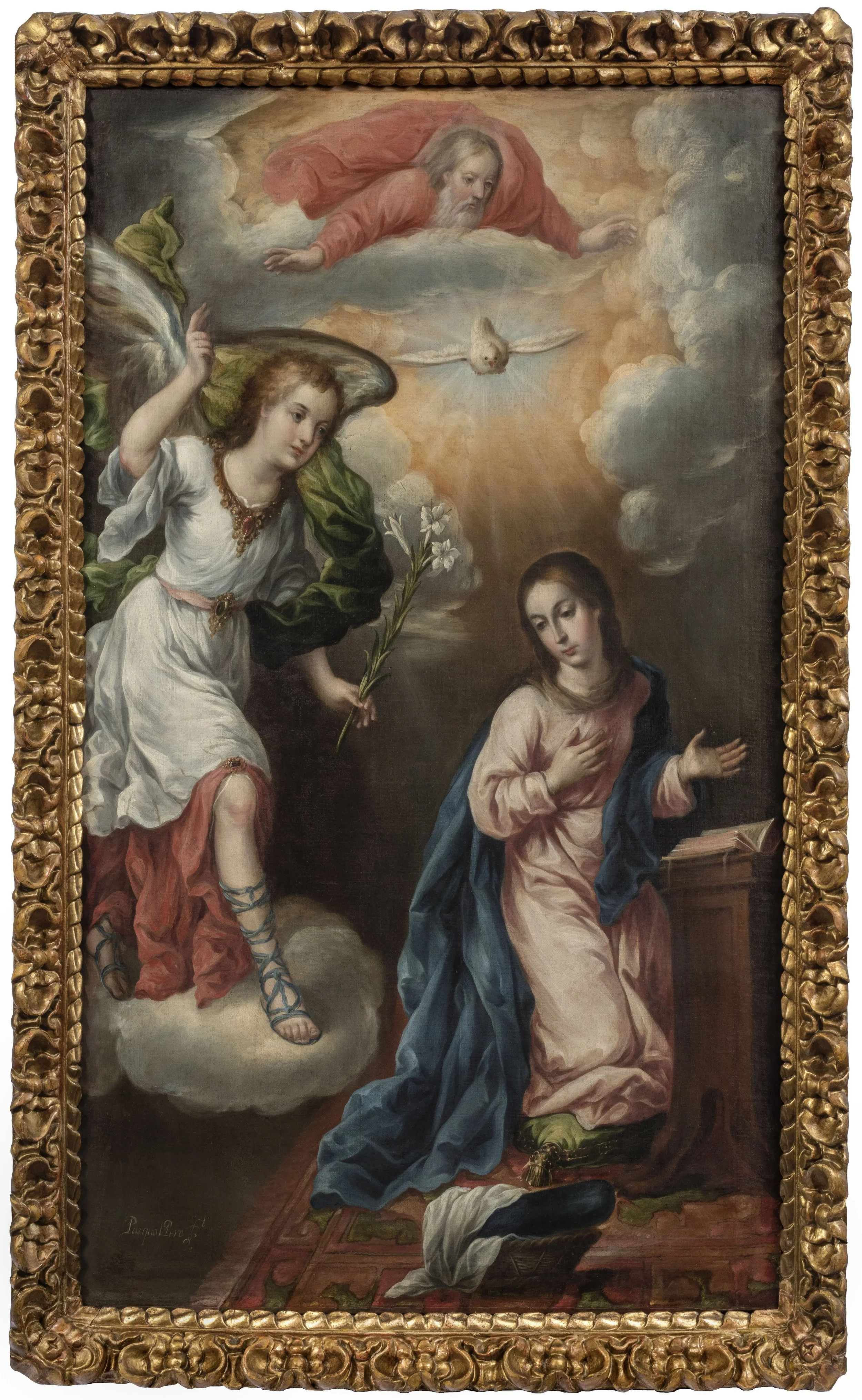
The Annunciation
Signed and dated, lower right: Pasqual Pere₂fᵗ
Oil on canvas
57 x 33 ¼ inches (144.8 x 83.8 cm)
Provenance:
Private Collection, Suinaga family, Mexico, probably since the 18th century; brought by the family to Houston, TX ca. 1910–1920 during the Mexican Revolution; and by descent to the great-granddaughter, Vail, Colorado.
The Annunciation is one of the most evocative subjects in the history of European and Spanish Viceregal painting. In a composition filled with movement and drama, the Archangel Gabriel descends towards the Virgin Mary while floating on a cloud. He steps forward and points upward, both indicating the message he delivers and also signaling the presence of God the Father and the Holy Spirit in the form of the dove above. The languid Virgin is shown kneeling on a cushion at a prie-dieu. Her reading has been interrupted, and she gestures in surprise as she turns around to receive the angel’s message. She inclines her head and touches her right hand to her chest in acceptance of her fate as the mother of God.
This painting is a rare signed and dated work by Pascual Pérez, one of the premier artists in Puebla, Mexico, in the late 17th and early 18th century. Pérez was of Oaxacan and Mixtecan origins and was known by the sobriquet El Mixtequito (the little Mixtecan). He is documented as a mestizo—possibly of noble indigenous descent. He married a formerly enslaved woman, Bernabela Antonia, on 1 November 1683 after purchasing her freedom for 230 pesos. He is also recorded as purchasing the freedom of a daughter.[1] Pérez was first registered as a journeyman (official de pintor) but by 1718 is recorded as a master painter. His success was such that he managed a workshop of apprentices and was involved in the creation and leadership of a local artists guild. While he was involved with the painters’ confraternity of Nuestra Señora del Socorro in Mexico City and undertook some commissions for the city, his success was mostly found locally in Puebla. His significant artistic contributions to the city and high social status led at his death to interment in Puebla Cathedral. His surviving paintings are fairly well documented,[2] and among the most important are the Nuestra Señora de los Gozos con el Canónigo Ignacio de Asenjo y Crespo (exhibited at the exhibition Pintado en México / Pinxit Mexici in 2017/2018),[3] as well as his two monumental versions of the Temptation of Christ in the Wilderness—one in the Old Basilica of Our Lady of Guadalupe and the other in the Conquistadora Chapel in Saint Francis Cathedral in Santa Fe, New Mexico.
A recent conservation treatment of the painting has revealed it to be in exceptional, original condition, which is especially remarkable for Spanish American paintings of this period. The canvas is unlined, with some of the red pigment from the preparation of the ground visible on the back of the canvas and the reverse of the stretcher bar. The stretcher is also original and includes all its original joinery, with dowels used at the corners to secure the overall structure. The edges of the canvas have been glued to the stretcher, as was typical in Mexican painting of the period. Removal of old, discolored varnish and a light cleaning revealed the freshness of the paint, and also of the painter’s technique. The clouds above the lilies held by the angel Gabriel have been animated and by the artist’s use of the stub of his brush (Fig. 1), and a pentimento was revealed in the Gabriel’s raised blessing hand (Fig. 2).
A related, but compositionally distinct, treatment of the Annunciation by Pérez remains in situ in the Parroquia de San Andrés in Cholula, outside of Puebla (Figs. 3-4). While the basic pose of the Virgin is there repeated, her arms and hands are disparately arranged, while the figure of Gabriel is rethought and raised into the space vacated by God the Father.
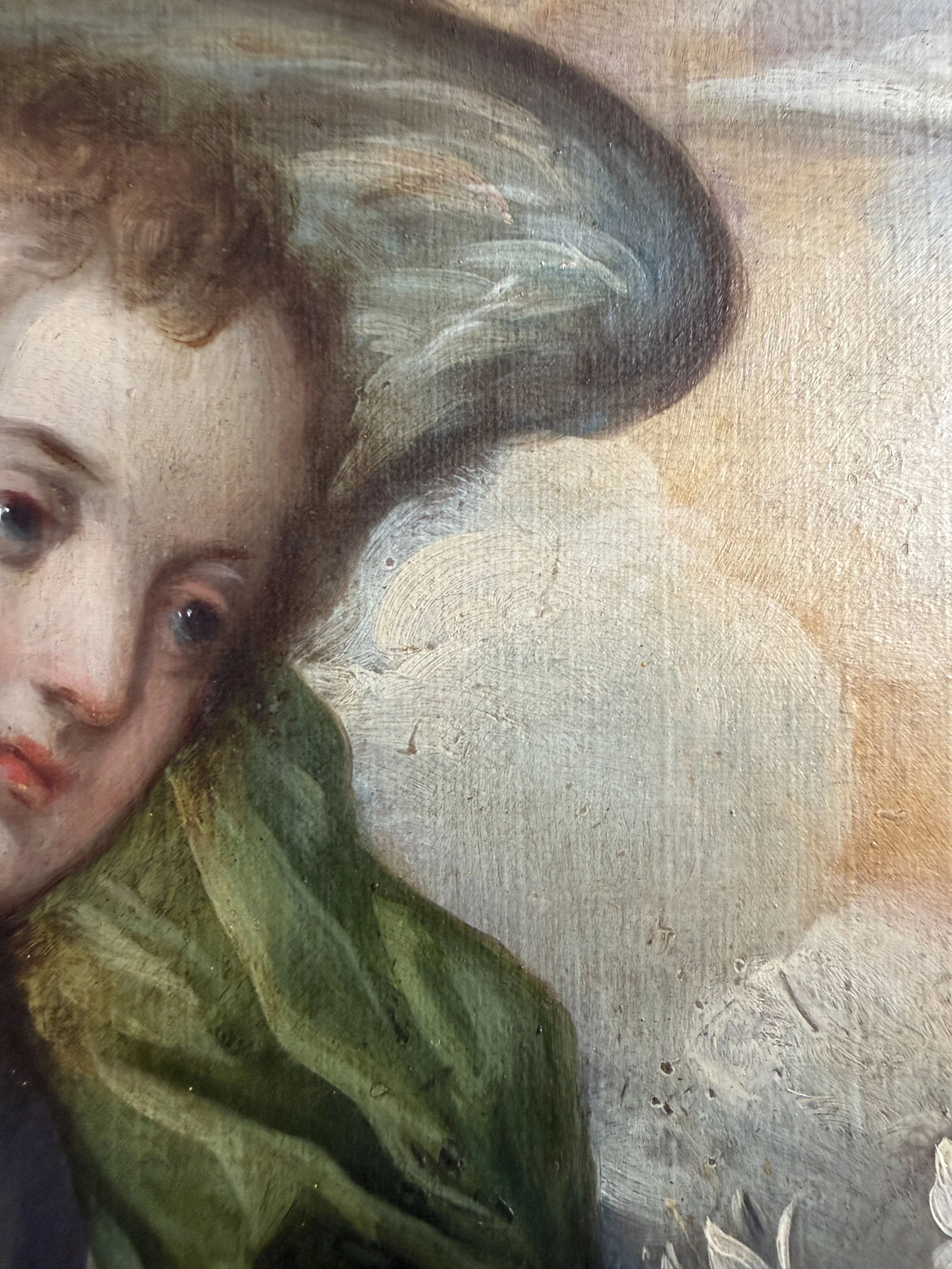
Fig. 1. Details of the artist’s use of the back of his brush in the clouds in the present work.
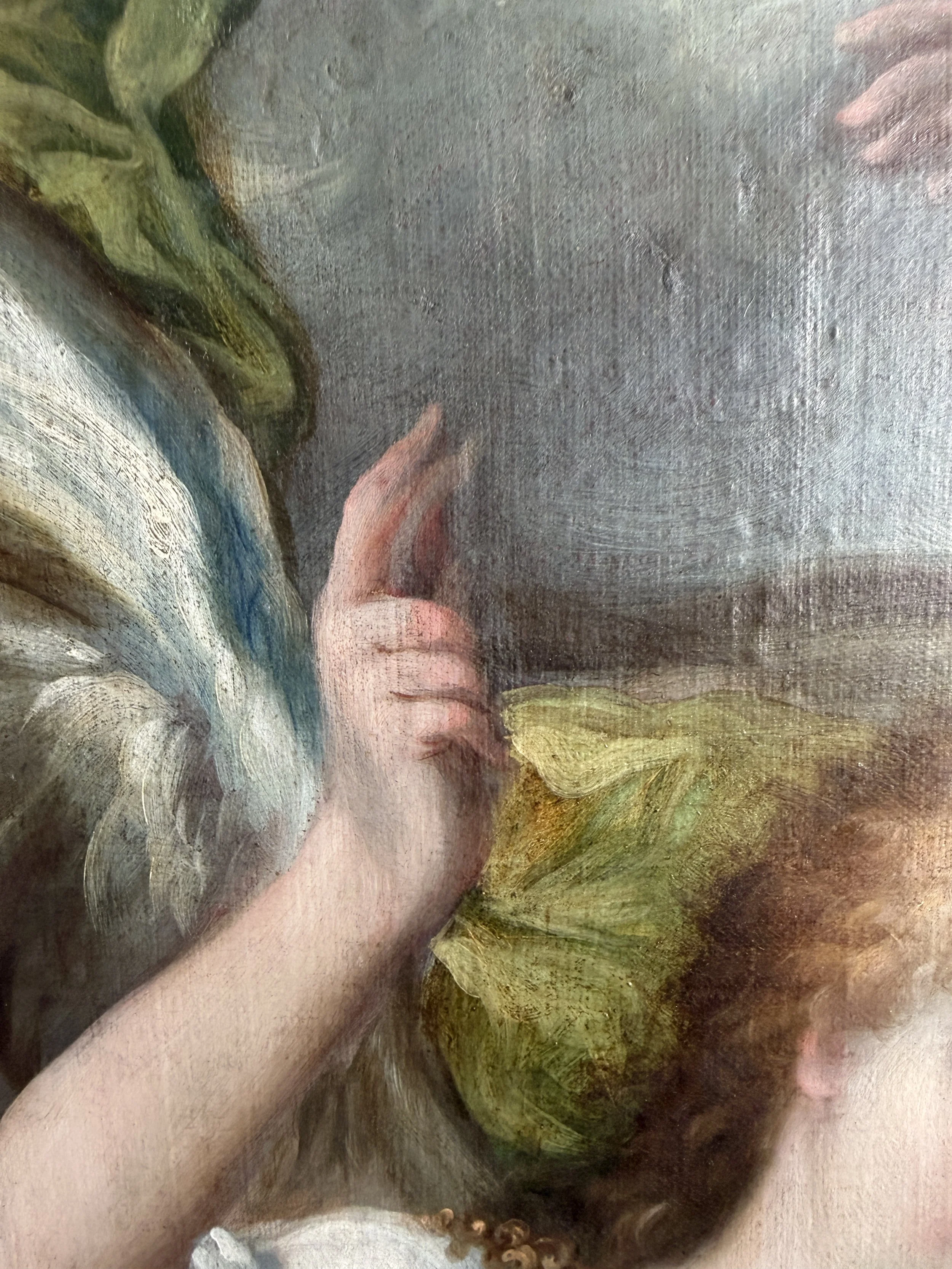
Fig. 2. Detail of the pentimento in Gabriel’s blessing hand in the present work.
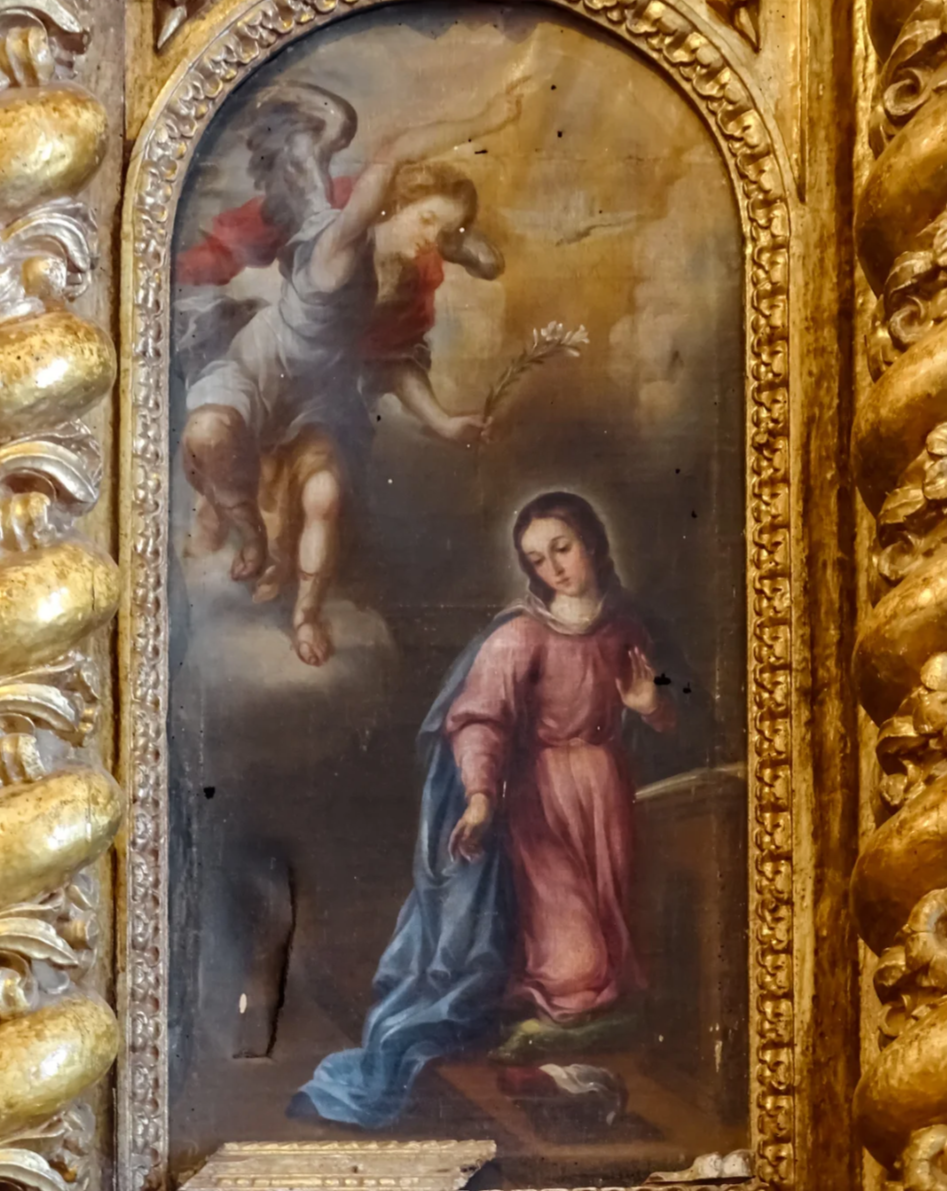
Fig. 3. Pascual Pérez, The Annunciation, Parroquia de San Andrés, Cholula, Mexico.
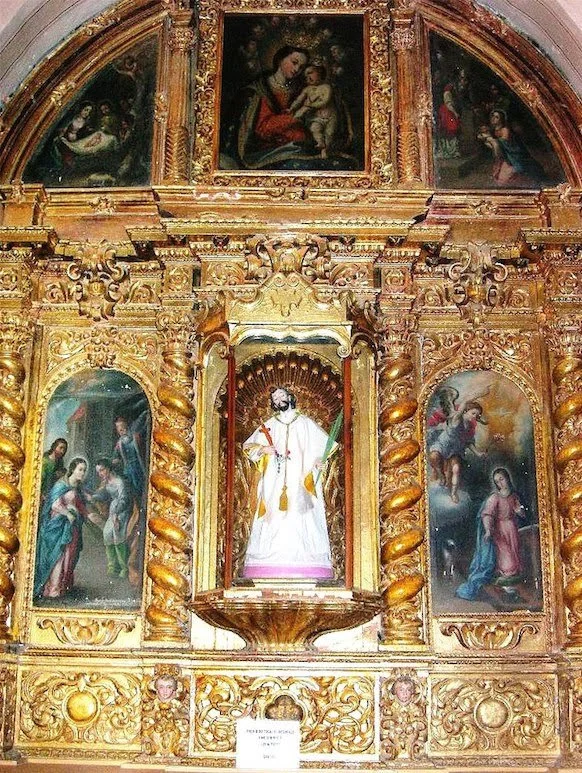
Fig. 4. The Retablo of St. John Nepomuk with Pascual Pérez’s Annunciation
in the lower right, Parroquia de San Andrés, Cholula, Mexico.
[1] Paula Mues Orts in Painted in Mexico, 1700–1790 / Pinxit Mexici, exh. cat., ed. Ilona Katzew, Los Angeles, 2017, pp. 369-370, under cat. no. 95.
[2] See ARCA: https://arca.uniandes.edu.co/autores/829.
[3] Ibid. See also: https://arcav1.uniandes.edu.co/artworks/14148.