
PERUVIAN, CUZCO SCHOOL, 18th Century
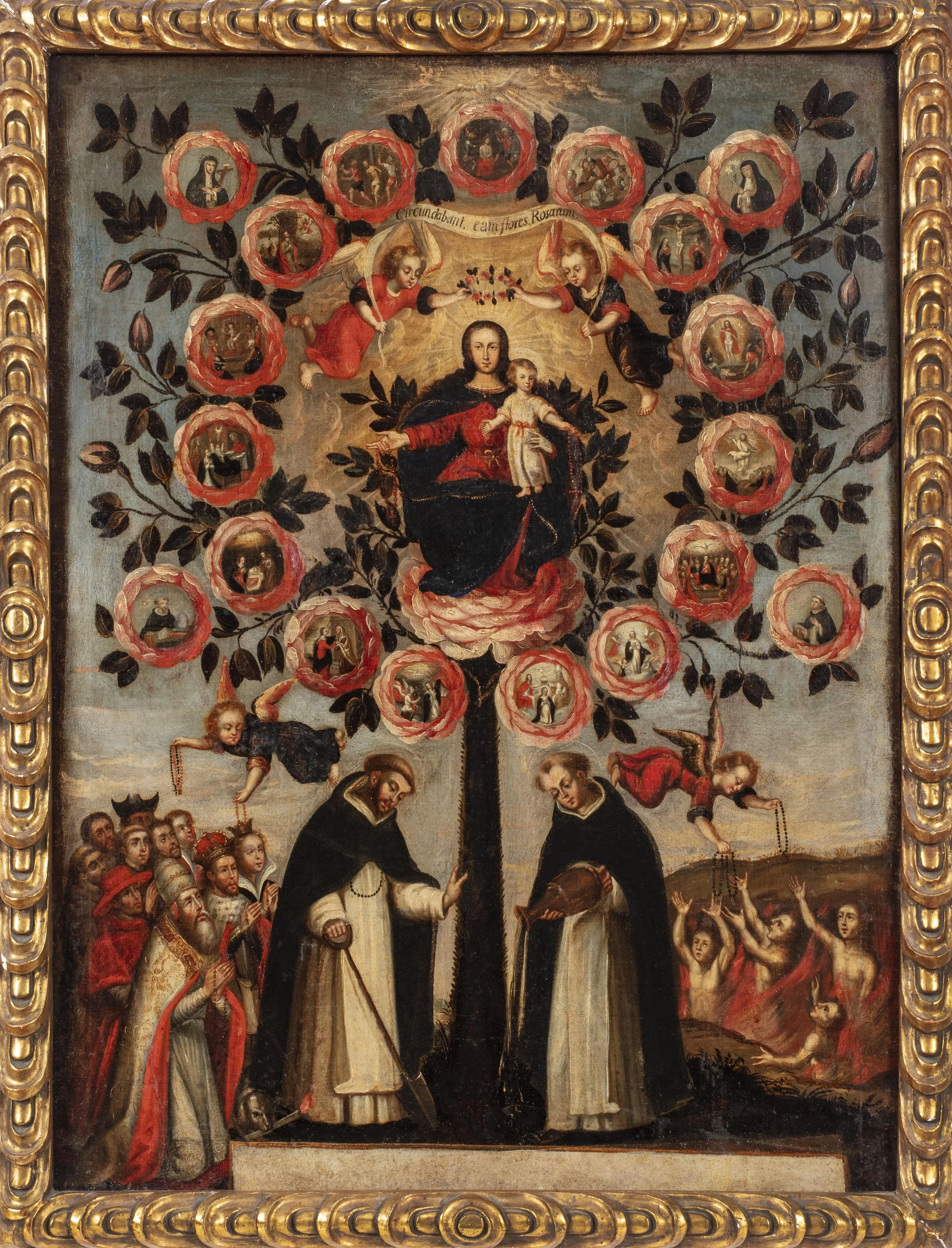
Virgin of the Rosary with Saint Dominic and Blessed Alan de la Roche
Oil on canvas
31 ¼ x 24 ⅛ inches (79.4 x 61.3 cm)
Provenance:
Private Collection, Asunción, Paraguay, for at least the last 80 years.
This striking painting presents a possibly unique iconography in the history of Spanish Viceregal art. Saint Dominic, founder of the Dominican order, is depicted alongside a fellow Dominican friar, the Blessed Alan de la Roche, in the foreground tending to a tree of the rosary that they have planted. Accompanied by his traditional companion, the dog holding a flaming candle in its mouth, Saint Dominic holds a spade and touches his hand to the tree, while his fellow brother waters it. According to tradition, Saint Dominic is believed to have received a rosary from the Virgin Mary and introduced the devotional practice of praying the rosary. His order had a special relationship with the rosary and spread its use widely in Europe and the Americas. Blessed Alan was known for his contributions to promoting this devotional act in the centuries after Saint Dominic established it. Rosary beads were used by the devout to count prayers in a set number and sequence as they meditated on a series of fifteen scenes from the lives of Christ and the Virgin Mary. In this painting, the fifteen scenes are depicted within roses growing from the tree, which frame a central image of the Virgin and Child enthroned atop a rose and vines. Angels crown the Virgin with a floral wreath while holding aloft a banderole with a Latin inscription—“Circumdabant eam flores Rosarum” (flowers of roses surrounded her)—and the Holy Spirit appears in the upper center in the form of a dove. The Virgin and Child both hold out rosaries, offering them visually to the viewer, but also literally to the figures below. In the lower register, flying angels hand rosaries to the souls of the saved and the damned.
Around the central garland of roses, four of the principal Dominican saints are shown adoring the Virgin within additional roses that branch out from the tree. Starting from the upper left, these are: Saint Catherine of Siena, who holds a crucifix and was known for her lifelong devotion to the Virgin Mary; Saint Agnes of Montepulciano, whose visions of the Virgin (and later Saint Dominic) led her monastery to join the Dominican order; Saint Thomas Aquinas, the great theologian who affirmed the Virgin as the mother of God; and Saint Vincent Ferrer, a Spanish Dominican friar known as the “Angel of the Apocalypse” for his preaching on the Last Judgment and his Marian devotion. Taken as a whole, the painting presents a vision of salvation that the rosary (and the Dominican Order) brings to the world. Among the saved in the lower left are a pope, a king and queen, a cardinal, a Franciscan friar, and other clergy holding and praying with rosaries. On the right, the souls in purgatory also receive rosaries and seek redemption through prayer. In addition, the scale of the painting is perfectly suited to private devotion and would have served as a visual aid to prayer.
The prominence of roses in this painting is significant, as roses were closely associated with the city of Lima, Peru due to the association with Saint Rosa of Lima. A member of the Third Order of Saint Dominic, Saint Rosa of Lima was the first canonized saint from the Americas (and was named patroness of the Americas). The prominence of the roses in this painting may suggest that the work could have originated in Lima, but its style aligns most closely with works of the Cuzco School. A similar composition of the Virgin and Christ child appearing within a tree of roses appears in a 17th century mural painting in the Iglesia de Nuestra Señora de la Asunción in Juli, Peru, which in turn is based on engravings by Antonius Wierix II (Figs. 1-2). Our painting richly expands on this basic format and condenses the 15 mysteries into a single composition, which is filled with an abundance of roses and beautifully conveys the significance of the rosary.
The empty cartouche at the lower center may have once included an inscription, or it was awaiting a dedicatory inscription for the patrons that was never completed.
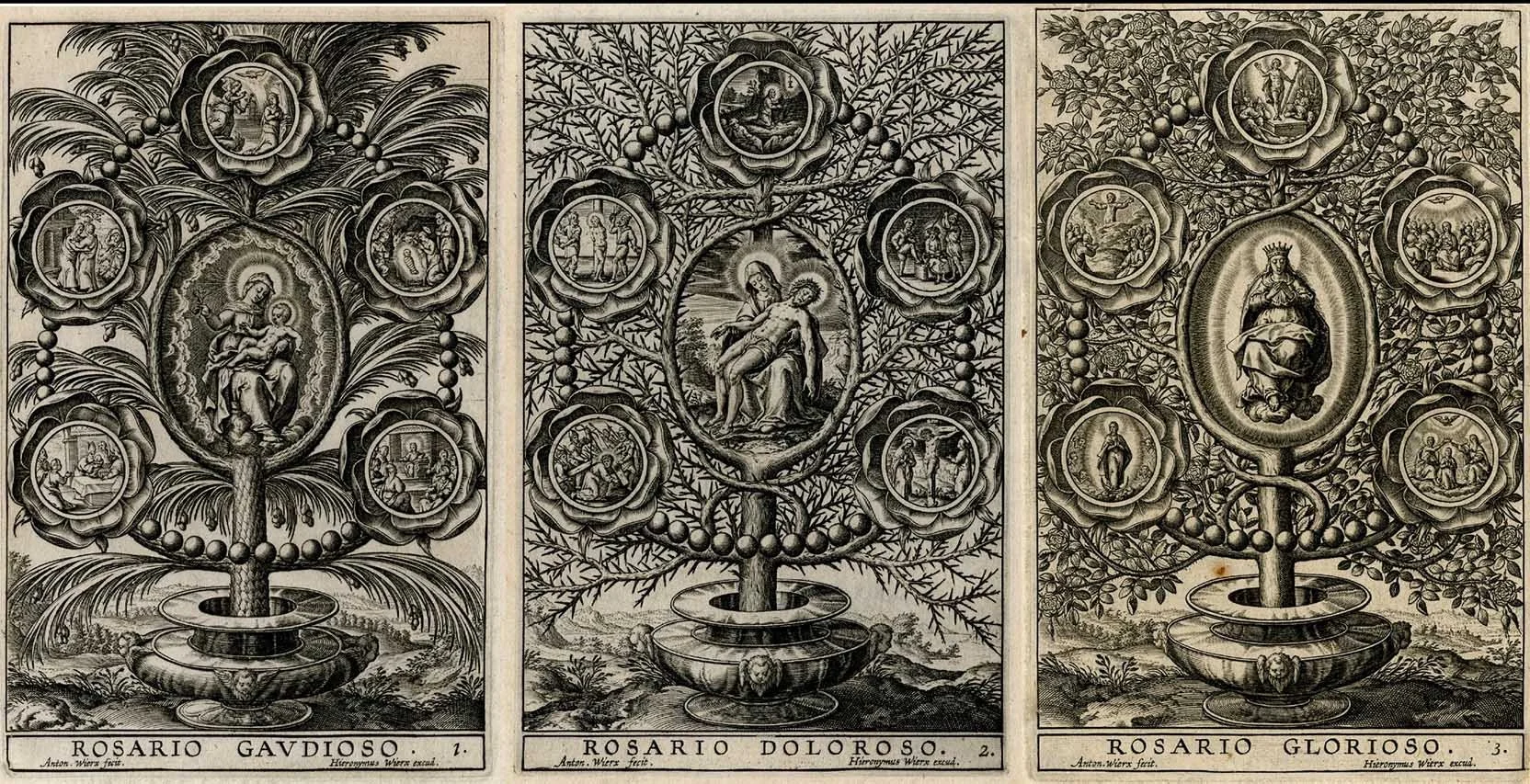
Fig. 1. Antonius Wierix II, Rosario Gaudioso, Rosario Doloroso, and Rosario Glorioso from the series of fifteen mysteries of the rosary, British Museum, London.
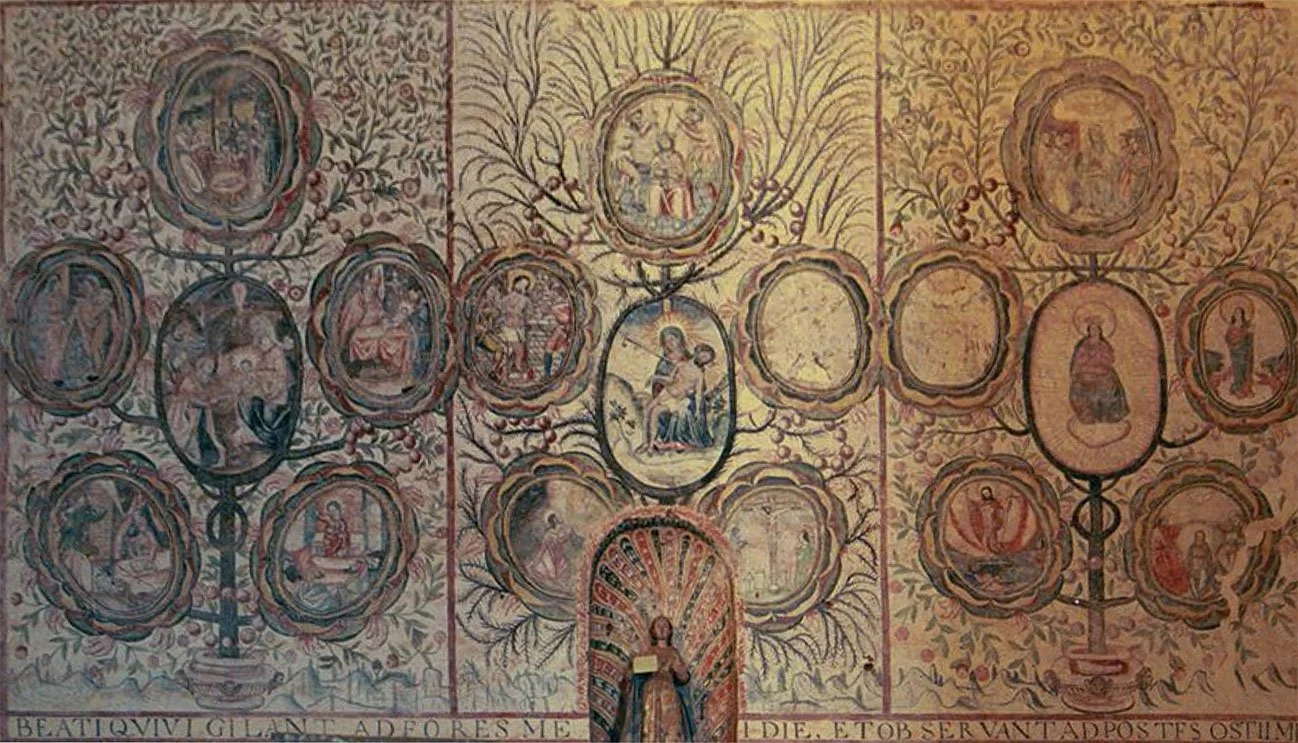
Fig. 2. Peruvian, 17th Century, The Fifteen Mysteries of the Rosary, Iglesia de Nuestra Señora de la Asunción, Juli, Peru.