

PERUVIAN, CUZCO SCHOOL, 18th Century
The Vision of Saint James Triumphing Over the Inca “Santiago Mataindios”
Oil on canvas
65 x 43 ⅞ inches (165.2 x 111.5 cm)
Provenance:
Private Collection, Asunción, Paraguay, for over 80 years.
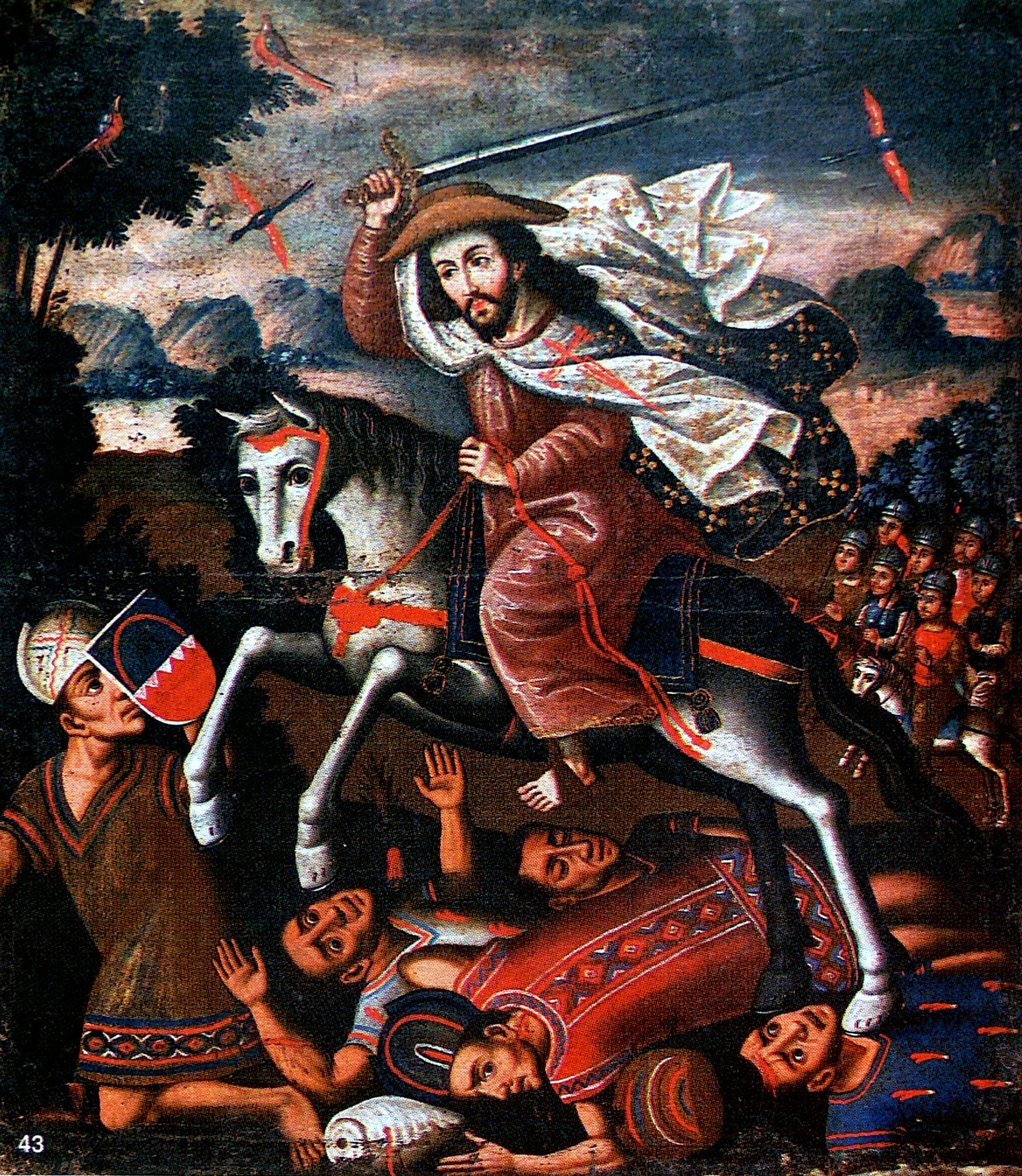
Fig. 1. Peruvian, Cuzco School, 18th Century, Santiago Mataindios, oil on canvas, Cusco Cathedral, Peru.
The subject of Saint James battling indigenous warriors, known as Santiago Mataindios, is the New World counterpart and response to the well-known Spanish iconography of Saint James triumphing over the Moors, Santiago Matamoros. The origin of Santiago Matamoros imagery can be traced to the legend that the Apostle Saint James miraculously appeared on horseback at the (mythical) Battle of Clavijo in the 9th century, leading the Spanish to victory over the Muslims in their campaign for the reconquest of Spain. In most depictions of this scene, the Apostle is shown towering over enemy combatants, many of whom have fallen to the ground. The legend refers specifically to the defeat of Muslim Moors, from which he derives the name Saint James Killer of Moors.
It was not long after the Spanish began their conquest of the New World that images of Santiago Mataindios began to proliferate in Mexico and Peru. By the mid-16th century, Spanish Colonial images of Saint James presented him in this distinctly New World guise, at war with either Aztec or Inca combatants. Spanish conquistadors are known to have invoked Saint James for protection before battle. Furthermore, beyond general parallels between the reconquest of Spain and the conquest of the New World—particularly the shared campaign of Christianization—the emergence of this new iconography of Santiago Mataindios is tied to a legend that the saint intervened on behalf of the Spanish during the siege of Cuzco by Manco Inca Yupanqui and his armies in 1536–1537. A related depiction of Santiago Mataindios is today in the Cathedral in Cuzco (Fig. 1).
In our painting, James appears riding a white horse, brandishing a sword against several Inca wearing feathered headdresses and attired in traditional geometric-patterned tunics known as uncu. They display expressions of awe in response to the clearly belligerent but placidly-featured saint. The principal figure at bottom left holds a shield and pike in defense. Two additional figures are depicted beneath Saint James’s rearing horse—one recoils under the horse’s front legs, while the other appears pinned beneath its hind legs.
Interestingly, Saint James became equated in Peru with the Inca god of lightning, Illapa, as a protector of Christians in the New World, since he was said to have appeared as a flash of lightning at the siege of Cuzco. This conflation may be hinted at in this painting, as the main Inca protagonist displays a sun motif with a human face emanating rays in the center of his chest recalling depictions of Illapa (Figs. 2-3). Furthermore, the textiles worn by the figures in the foreground directly relate to known examples of Incan tunics, such as those found in painted representations of Incan people in Peru (Fig. 4), as well as an especially elaborate 16th-century tunic displaying numerous patterned squares (Fig. 5).[1]
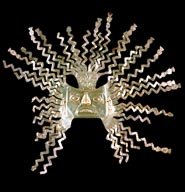
Fig. 2. Incan depiction of Illapa, gold.
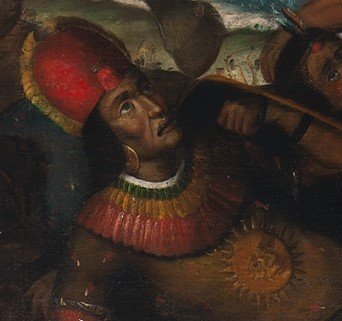
Fig. 3. Detail of the present work.
The present work is painted in a sophisticated style consistent with works of the Cuzco School. The artist has included several details of great visual interest, including the pilgrim’s shell on Saint James’ feathered hat (one of his traditional saintly attributes) and the heraldry on Saint James’ white banner (which is reminiscent of the Spanish royal coat of arms). Perhaps most surprising detail is the repetition of Saint James on his horse as a diminutive figure in the central background, where he is shown again brandishing his sword and holding his banner aloft in a larger battle scene (Fig. 6).
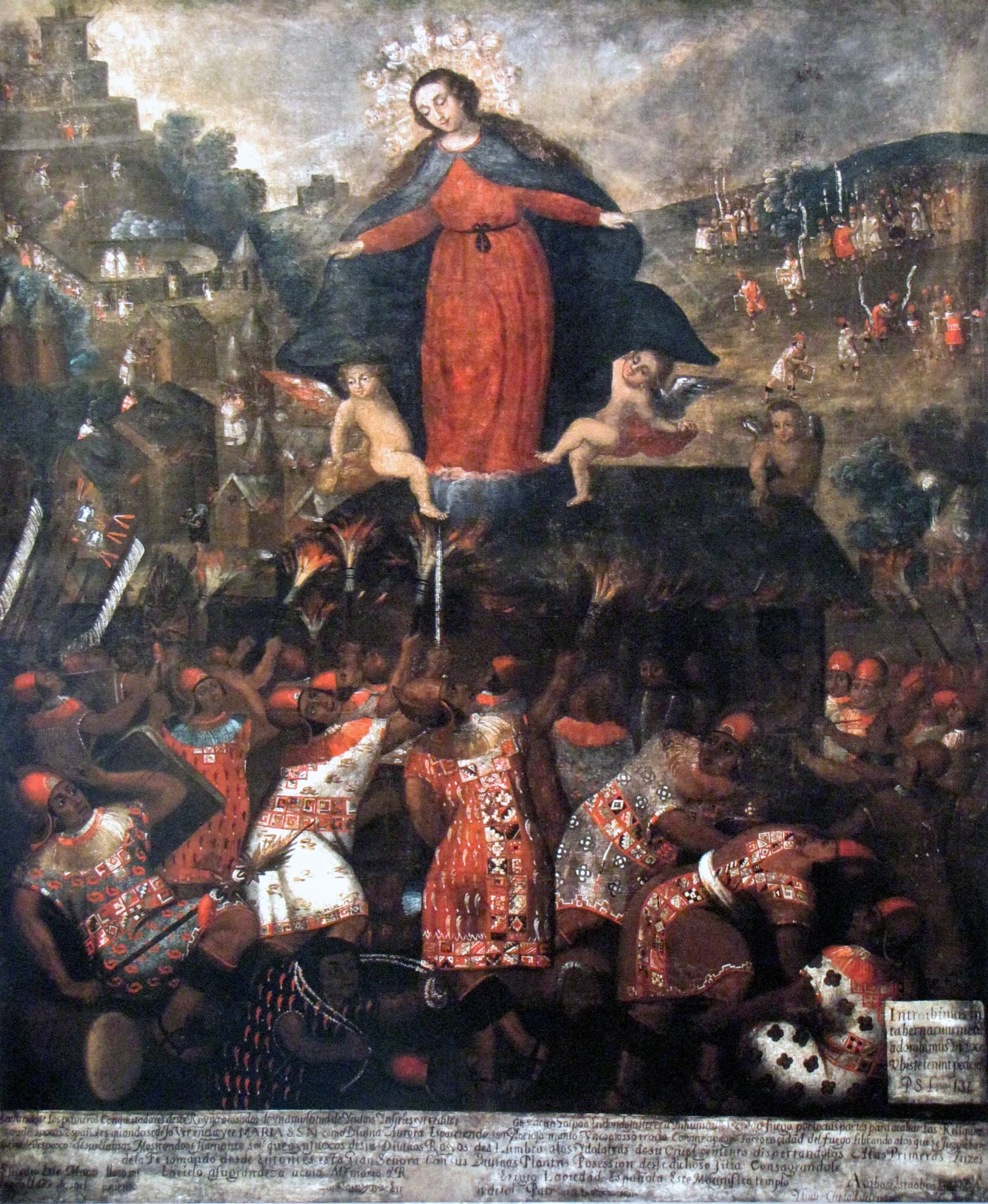
Fig. 4. Peruvian, Cuzco School, 17th Century, Miraculous Apparition of the Virgin in Cuzco, oil on canvas, 112 x 81 inches, Complejo Museográfico Enrique Udaondo, Luján, Argentina.
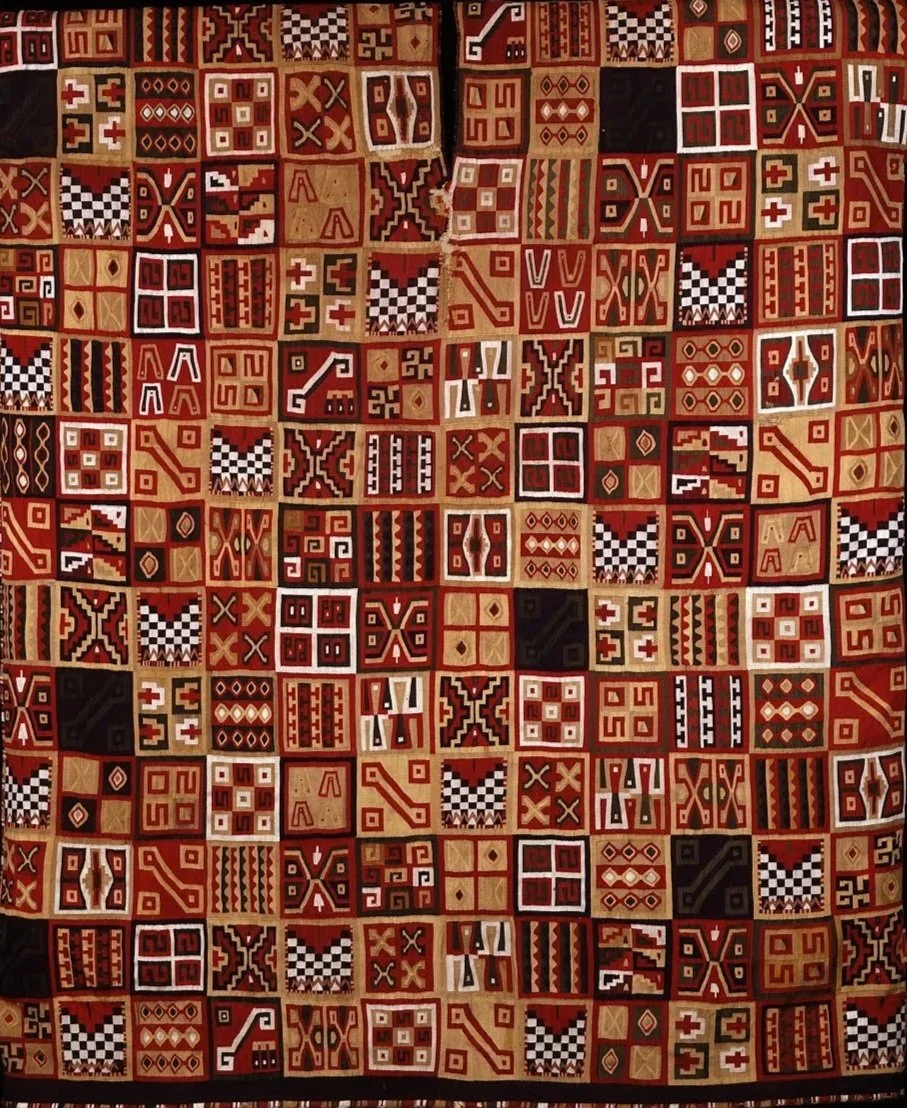
Fig. 5. Incan, 16th Century, Man’s Tunic (uncu), Dumbarton Oaks, Washington DC.
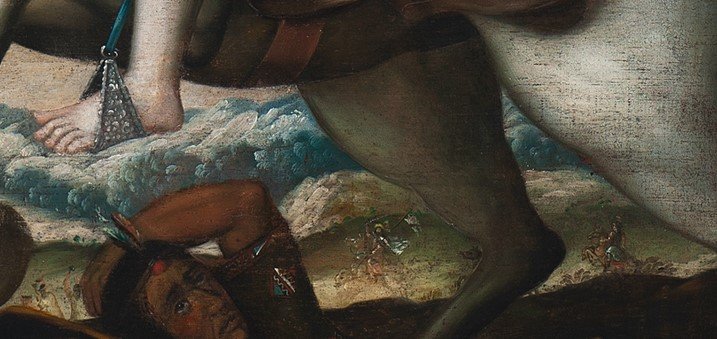
Fig. 6. Detail of Saint James in the background in the present work.
[1] Elena Phipps, Johanna Hecht, and Cristina Esteras Martín, The Colonial Andes: Tapestries and Silverwork, 1530–1830, exh. cat., New York, 2004, cat. nos. 17-18, pp. 150-156.