
PIETER HUYS
(Antwerp, ca. 1520 – ca. 1584)
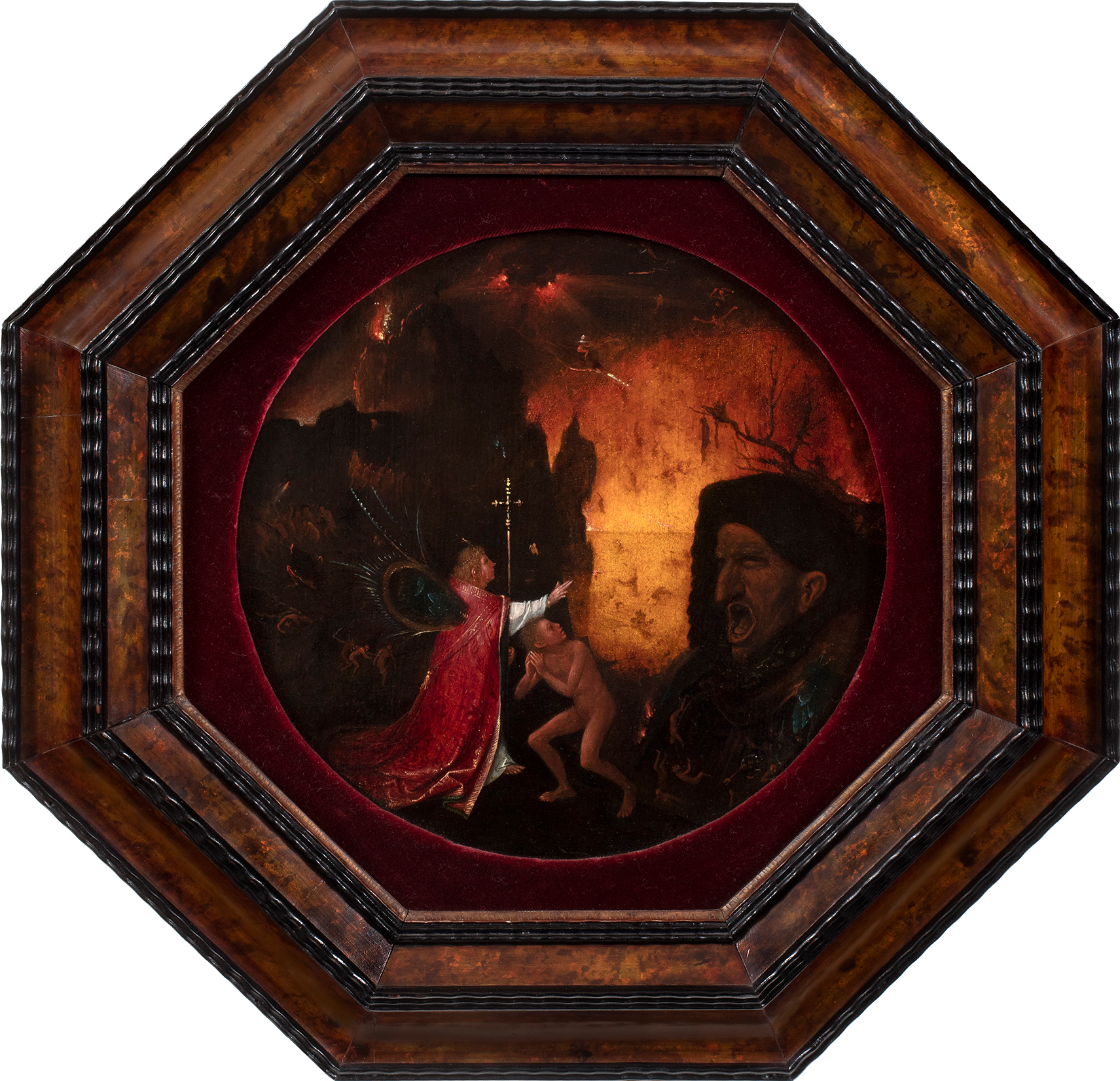
An Angel Saving a Soul from Hell
Oil on panel
9 ¼ inches (23.5 cm) diameter
Provenance:
Christie’s, London, 3 December 1997, lot 161; where acquired by:
With David Koetser Gallery; where acquired in 2000 by:
Private Collection, New York, to the present.
Exhibited:
Yale University Art Gallery, on long-term loan, 2004–2005.
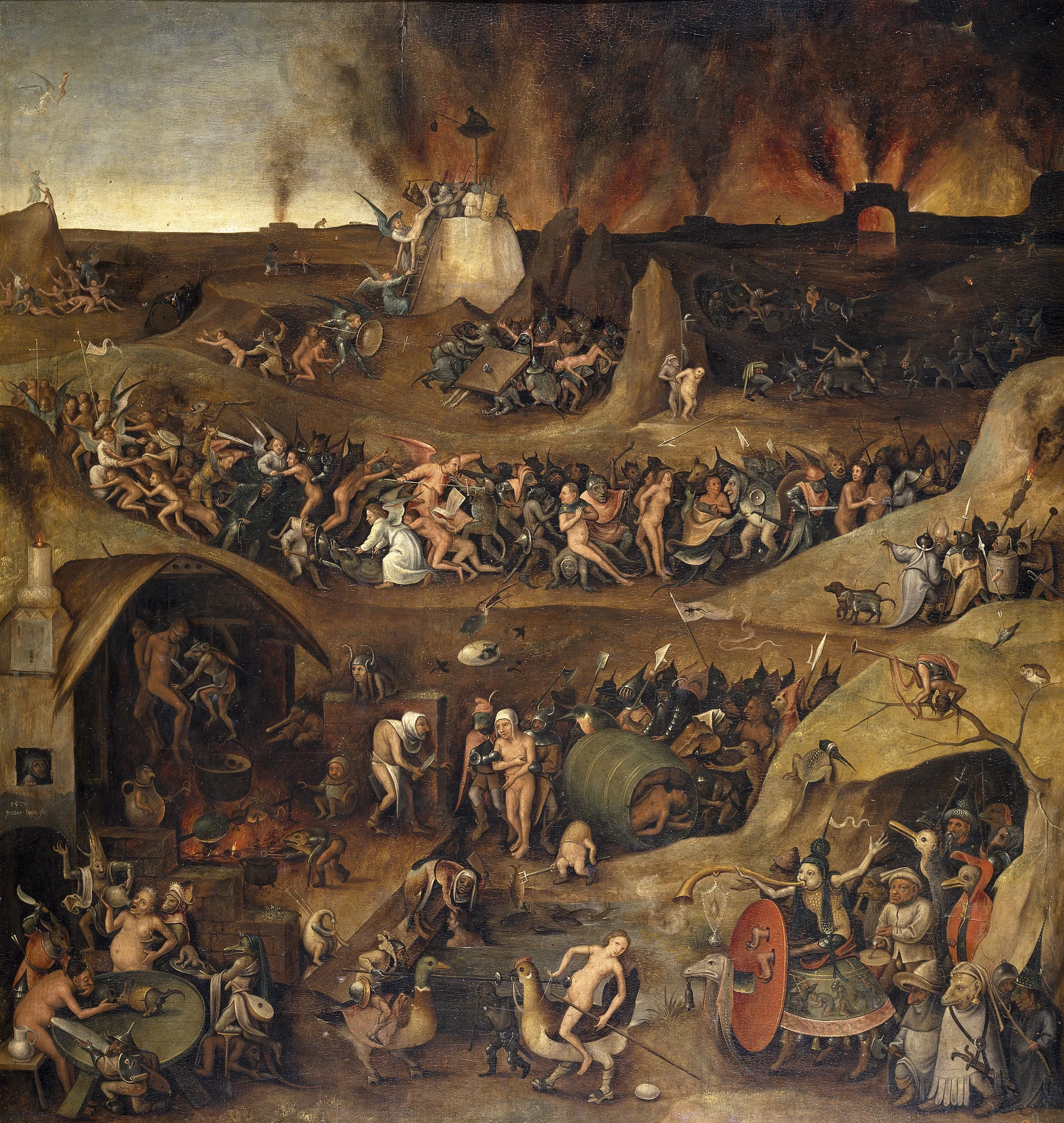
Fig. 1. Pieter Huys, Infernal Landscape, Museo del Prado, Madrid.
The fantastical paintings of Hieronymous Bosch (ca. 1450–1516), as well as those by his close associates and followers, have been greatly prized from his lifetime until today for the eccentric and highly individual style that he inaugurated. While only a small group of paintings have been securely attributed to Bosch himself, his imaginative visual language gave rise to a distinctive tradition that flourished across several subsequent generations of artists. Among Bosch’s most accomplished followers was Pieter Huys, an Antwerp painter about whom few biographical details are known. The son of painter, Pieter likely received initial training from his father alongside his younger brother, the prolific engraver, Frans Huys. He entered the Antwerp Painters Guild in 1545, and his oeuvre has been reconstructed on the basis of four surviving signed works, including those in the Musée du Louvre and the Museo del Prado (Fig. 1).[i] Huys is especially known for his infernal images, like the present one, which fed the mid-to-late 16th-century craze for Boschian paintings.
Depictions of hell were some of the most popular and imaginative subjects explored by Bosch and his followers. The present painting is based on the medieval legend of the Vision of Tondal, a subject variously treated by Bosch’s imitators. This widely circulated visionary text recounted the journey of the sinful Irish knight Tondal through the torments of hell under the guidance of an angel as part of a moral and spiritual awakening. Rather than copies or versions of an original composition by Bosch, treatments of this subject seem to have developed as compilations of Boschian motifs, which allowed artists to populate fiery landscapes with surreal creatures and scenes of torment.
In the present work, an archangel wearing sumptuous ecclesiastical vestments and bearing insect-like wings comes to the aid of a soul—presumably the knight Tondal. Reaching out with a blessing gesture, the angel saves the figure from the colossal head with a gaping mouth, referred to as a “hellmouth,” at right. Often associated with the Last Judgment, “hellmouths” often represented a monstrous gateway that devoured the damned as they entered hell, here made evident by the figures that tumble down his chest. Related depictions of the Vision of Tondal with an angel rescuing the knight and a “hellmouth” by followers of Bosch include the paintings in the Denver Art Museum (Fig. 2) and sold by Sotheby’s New York in 2026 for a price of $537,600 (Fig. 3).
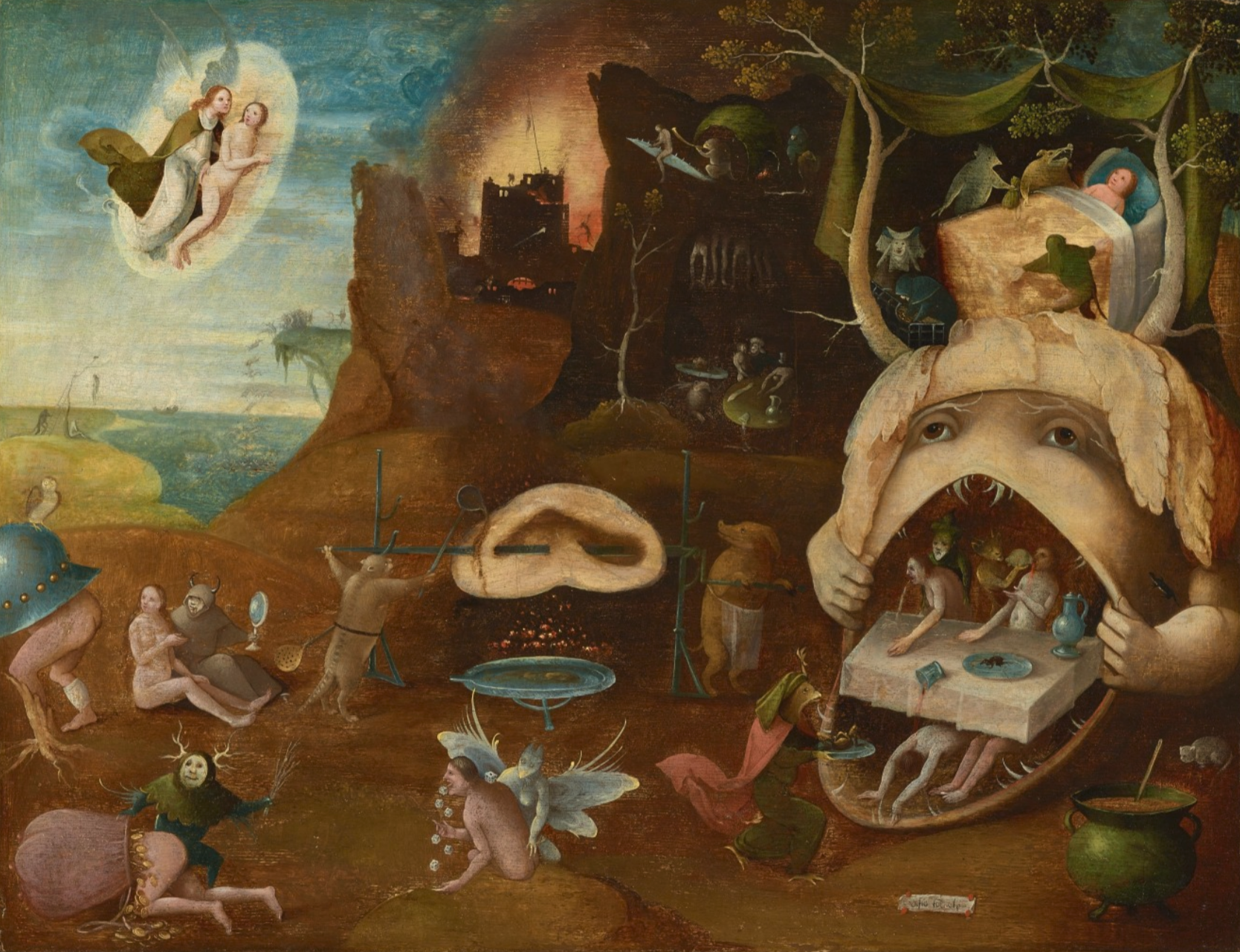
Fig. 2. Follower of Hieronymus Bosch, The Vision of Tundale, Denver Art Museum.
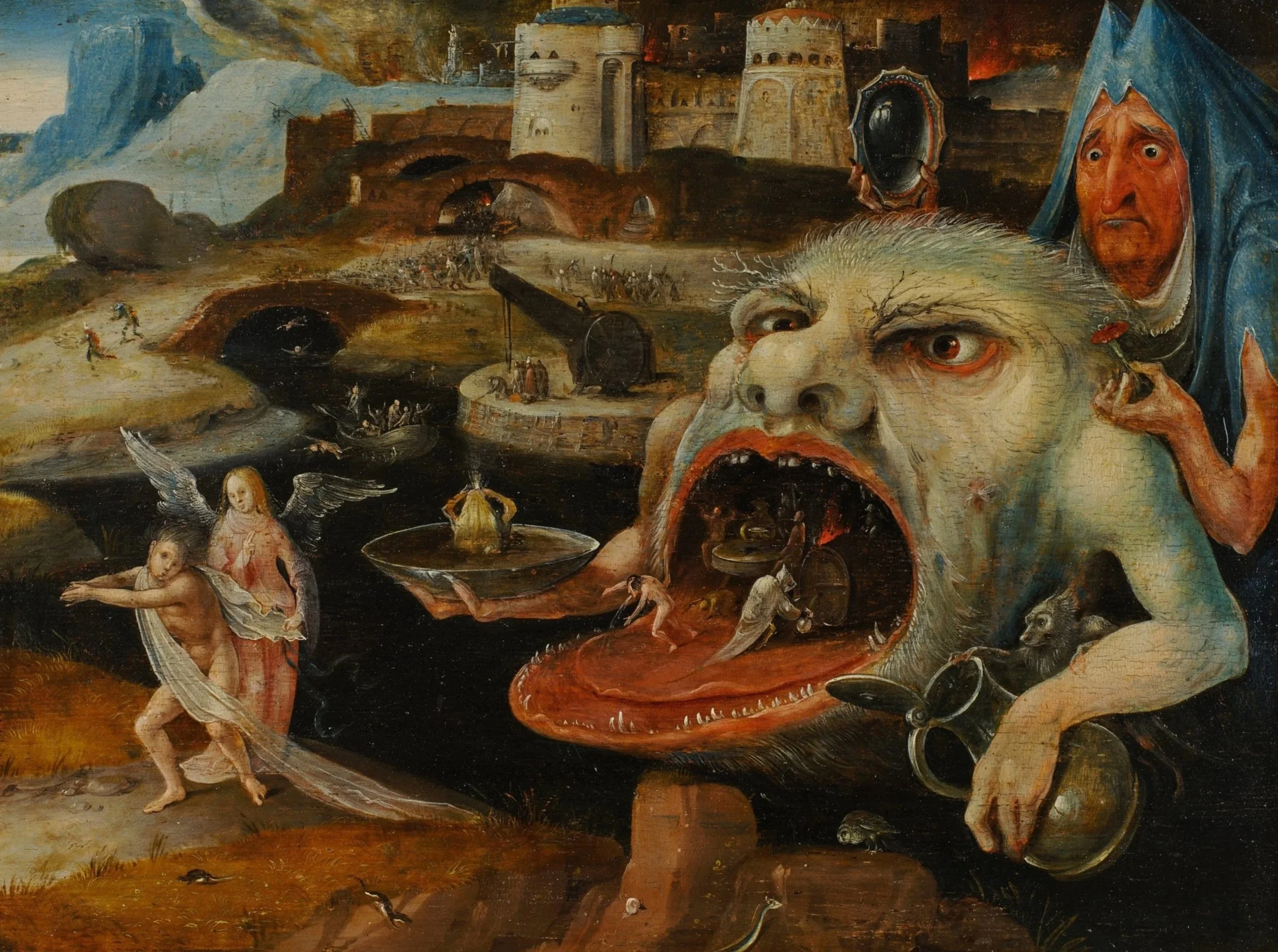
Fig. 3. Follower of Hieronymus Bosch, Hell, Sotheby’s, New York, 2 June 2026, lot 1.
The present work is notable for its extremely high quality, as well as its for its proximity to Bosch’s personal idiom. This is especially evident in the rendering of the fiery mountain peak and sky, which are reminiscent of Bosch’s Visions of the Hereafter in the Gallerie dell’Accademia, Venice (Fig. 4). The background is punctuated by groups of the damned assailed by demons and insect-like beasts, including a fire-breathing creature that crosses the sky mounted by a helmeted rider, who appear to pursue souls falling from the sky into the water below.
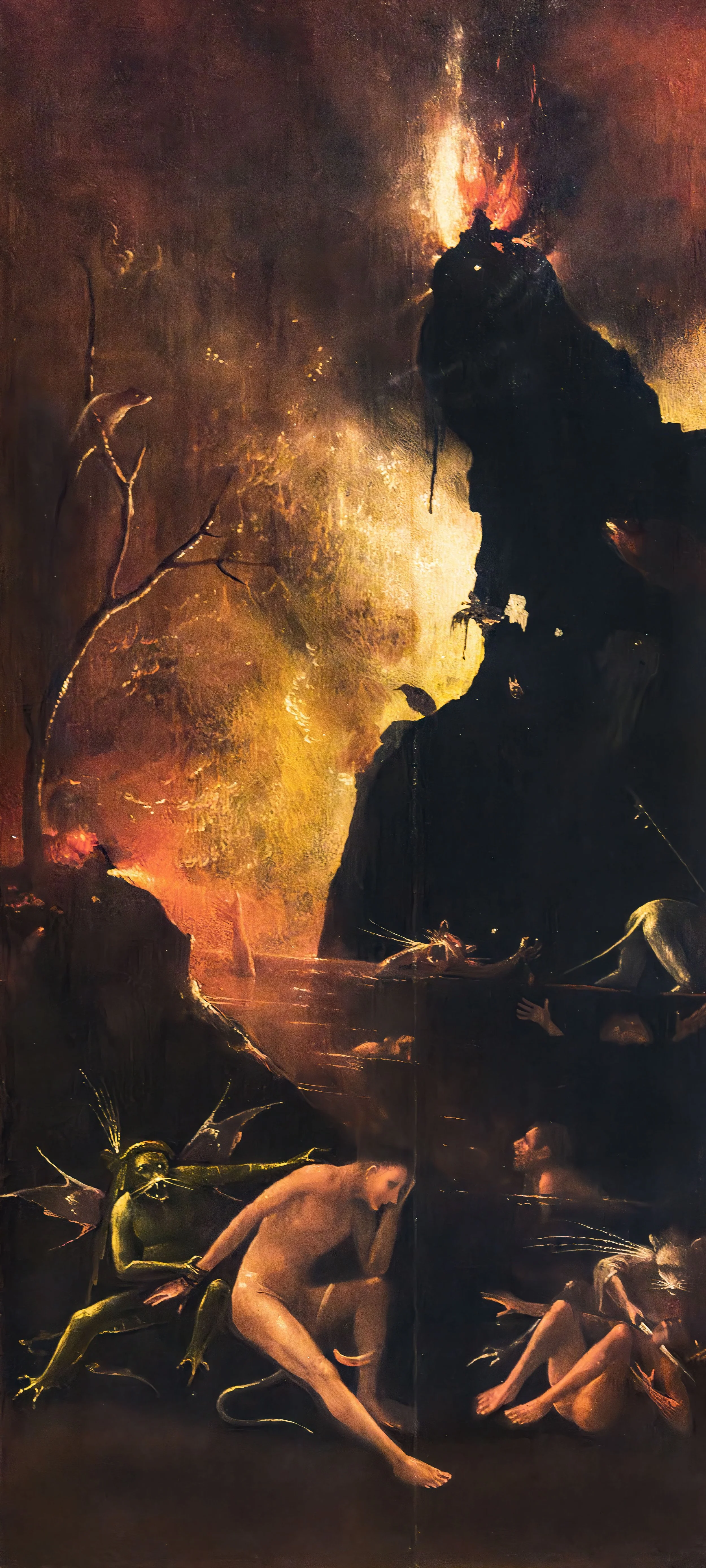
Fig. 4. Hieronymus Bosch, Visions of the Hereafter, Gallerie dell’Accademia, Venice.
[i] Pieter was also active as an engraver for some of the most important publishers of his era. For further details on his life and work, see: Marc Rudolf de Vrij, Jan Mandyn, Zwanenburg, 2006, pp. 17, 20-22.