
Giovanni Francesco da Rimini
(Rimini ca. 1420 – 1470 Bologna)
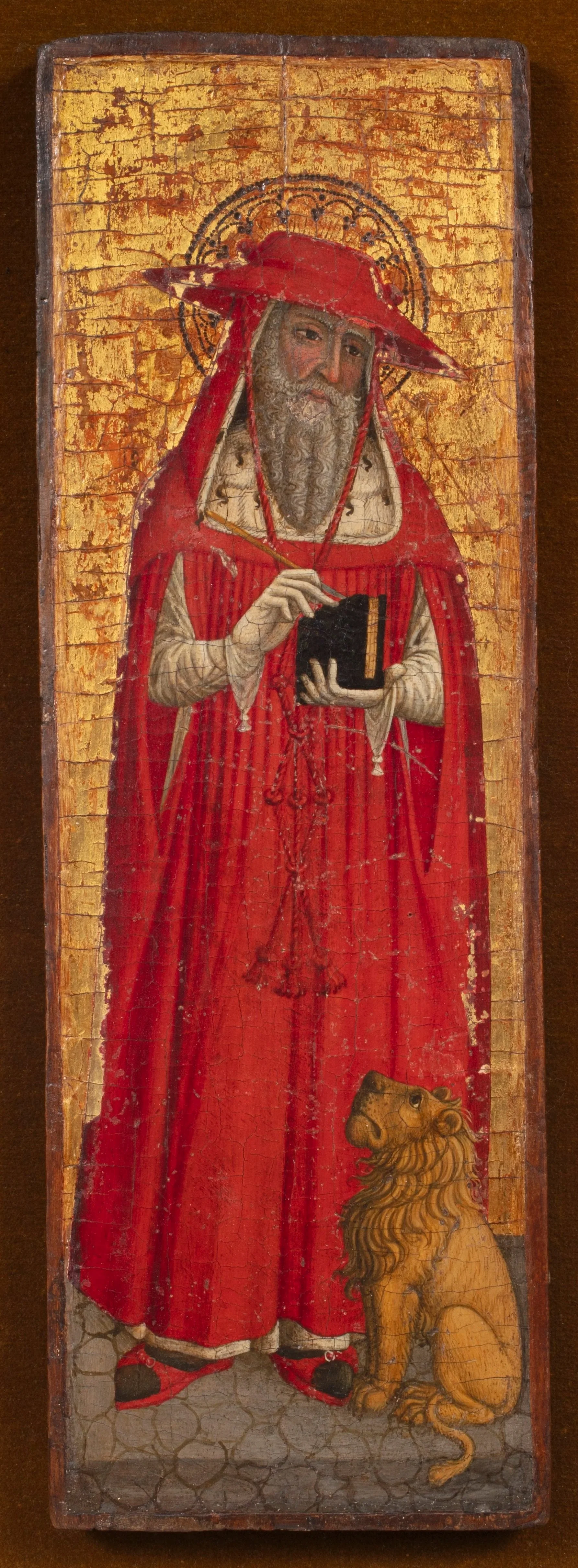
Saint Jerome
Tempera on panel
14 x 4 ¾ inches (35.6 x 12.1 cm)
Provenance:
Witcomb Collection, Buenos Aires, Argentina
Galerie Heim, Paris, France, 1968
Private Collection, Paris
With Nathalie Motte Masselink, Paris, France, 2012; where acquired by:
Private Collection, France
With Nathalie Motte Masselink, Paris, France, 2021; where acquired by:
Private Collection, USA.
Literature:
Serena Padovani, “Un contributo alla cultura padovana del primo rinascimento: Giovan Francesco da Rimini,” Paragone, vol. 22, no. 259 (1971), pp. 14, 29 note 45.
“Giovan Francesco da Rimini,” in Dizionario Enciclopedico Bolaffi dei pittori e degli incisori italiani, vol. 6, Turin 1974, p. 64.
Filippo Todini, La pittura umbra dal Duecento al primo Cinquecento, Milan 1989, vol. 1, p. 127, vol. 2, fig. 769, incorrectly as by the Master of the Volpi Crucifixion.
Eliot Rowlands, “New additions and proposals for the work of Giovanni Francesco da Rimini,” Paragone. Arte., vol. 47, no. 551–555 (May 1996), p. 60.
Mauro Minardi, “Rivolgimenti e persistenze nel percorso di Giovan Francesco da Rimini,” in Arte Veneta, vol. 54 (1999), p. 124, note 32.
Mauro Minardi in Deux collectionneurs à la découverte de l’Italie. Peintures et sculptures du Musée Jacquemart-André Paris, ed. Andrea Di Lorenzo, Milan, 2003, p. 53, note 21.
Rimini was one of the great artistic centers in late medieval Italy. In the 13th and 14th centuries, painters drawing on the earlier Byzantine tradition elevated panel painting to a new, lyrical form. The style of Giotto, who worked for a period in Rimini, also had a significant impact. The richly detailed paintings that resulted from this mix of influences were the foundation of a local school of painting that encompassed the next several generations of artists in the city. Gold-ground painting in Rimini found its culmination in Giovanni Francesco da Rimini, who was active in the middle of the 15th century.
Unlike his predecessors who primarily worked locally, Giovanni da Rimini had a well-traveled career in Italy. While he must have received his initial training in his native city, he is first recorded in 1441 and 1442 in the statutes of the painters’ guild of Padua. Further documents of 1442 and 1444 show that he was already established as an independent artist with close ties to the painter Francesco Squarcione. Giovanni likely spent time in Venice in the 1440s given the influences of Jacopo Bellini and Antonio Vivarini that are seen in his work. He may have also worked in Florence, since it is evident that he borrowed motifs from Florentine artists including Paolo Uccello, Donatello, and Filippo Lippi.
Giovanni spent his most significant period in Bologna, working in the city from 1459 to 1470. He received numerous ecclesiastical commissions there, both for panel paintings and frescoes. Prominent among these were his fresco decorations in San Petronio—for the Tribune painted between 1459 and 1464 (now destroyed) and for the Chapel of Santa Brigida. Almost all his Bolognese works have been lost except for two signed and dated paintings of the Virgin and Child—one in Museo della Basilica di San Domenico in Bologna and the other in the National Gallery, London. It is on the basis of these two signed works that the artist’s oeuvre has been reconstructed.
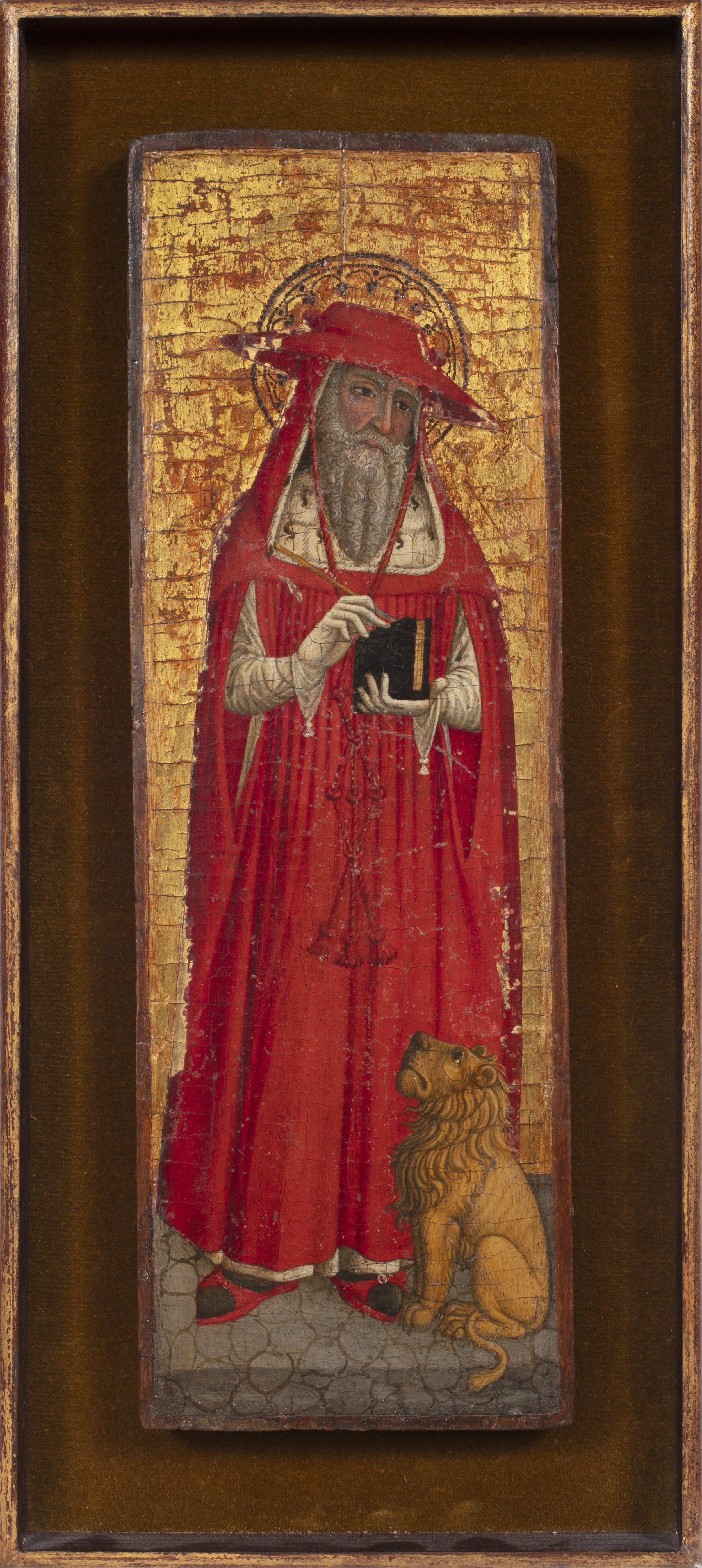
The present painting likely dates from the artist’s Bolognese period. The subject, Saint Jerome, was an early Christian priest and theologian, best known for his Latin translation of the Bible, the Vulgate. He famously spent several years as a penitent hermit in the Syrian desert where he tamed his legendary companion after he healed its injured paw. Here the lion rests at his feet, but Jerome is depicted not a hermit in the desert, but in his honorary guise as a cardinal. He holds a quill in his hand and appears poised to open the book held in his hands—alluding to his celebrated translation of the Bible.
Saint Jerome was almost certainly part of a pilaster of a polyptych, of which three additional pieces survive (Figs. 1-4). The related paintings include a Saint Anthony of Padua, Saint Francis of Assisi, and Saint Thomas Aquinas.[1] In 1971, Serena Padovani placed these four paintings during Giovanni’s Bolognese period. While Filippo Todini suggested attributing these works to an anonymous Perugian painter, the Master of the Volpi Crucifixion, subsequently Eliot Rowlands rightly returned the authorship of these works to Giovanni Francesco da Rimini.
Fig. 1. The present work.
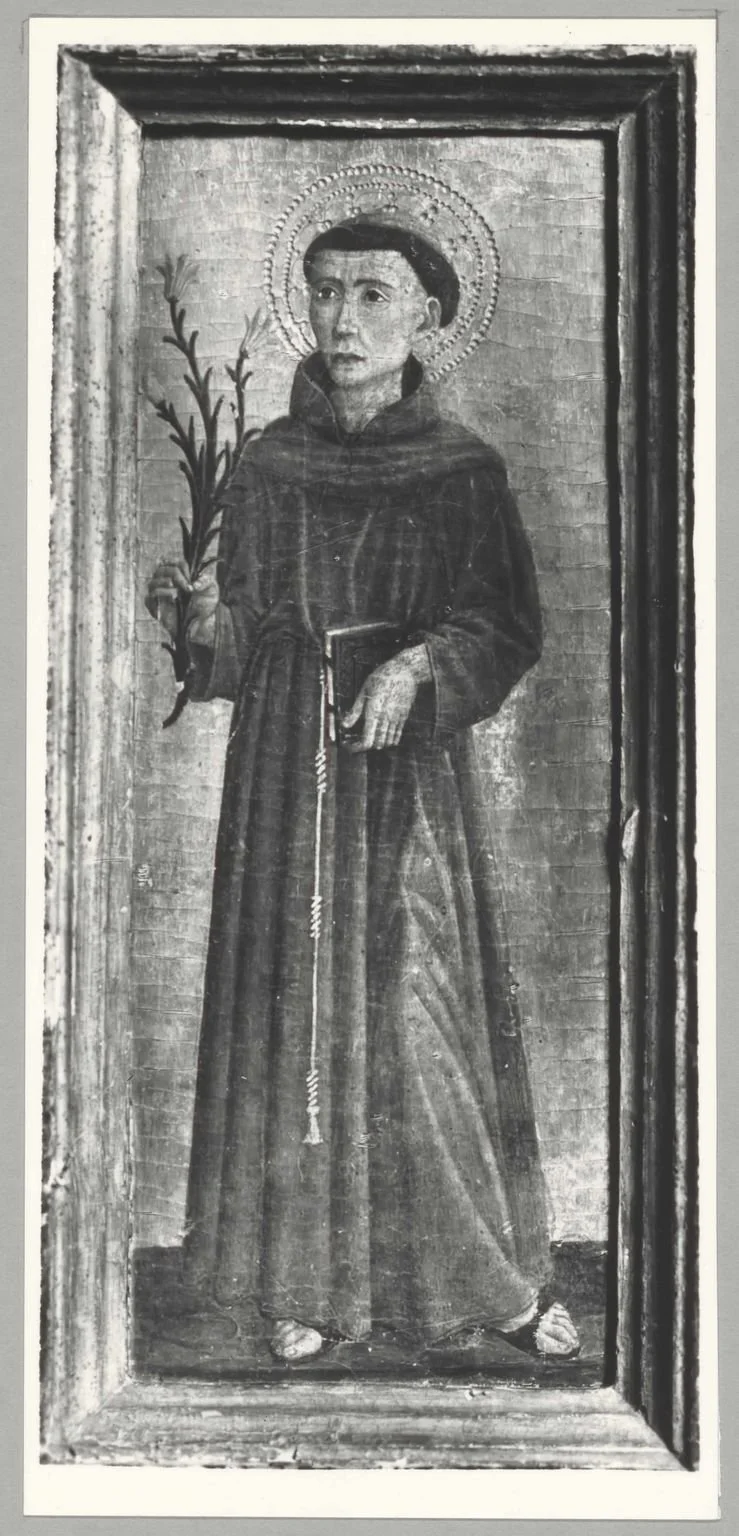
Fig. 2. Giovanni da Rimini, Saint Anthony of Padua, current location unknown.
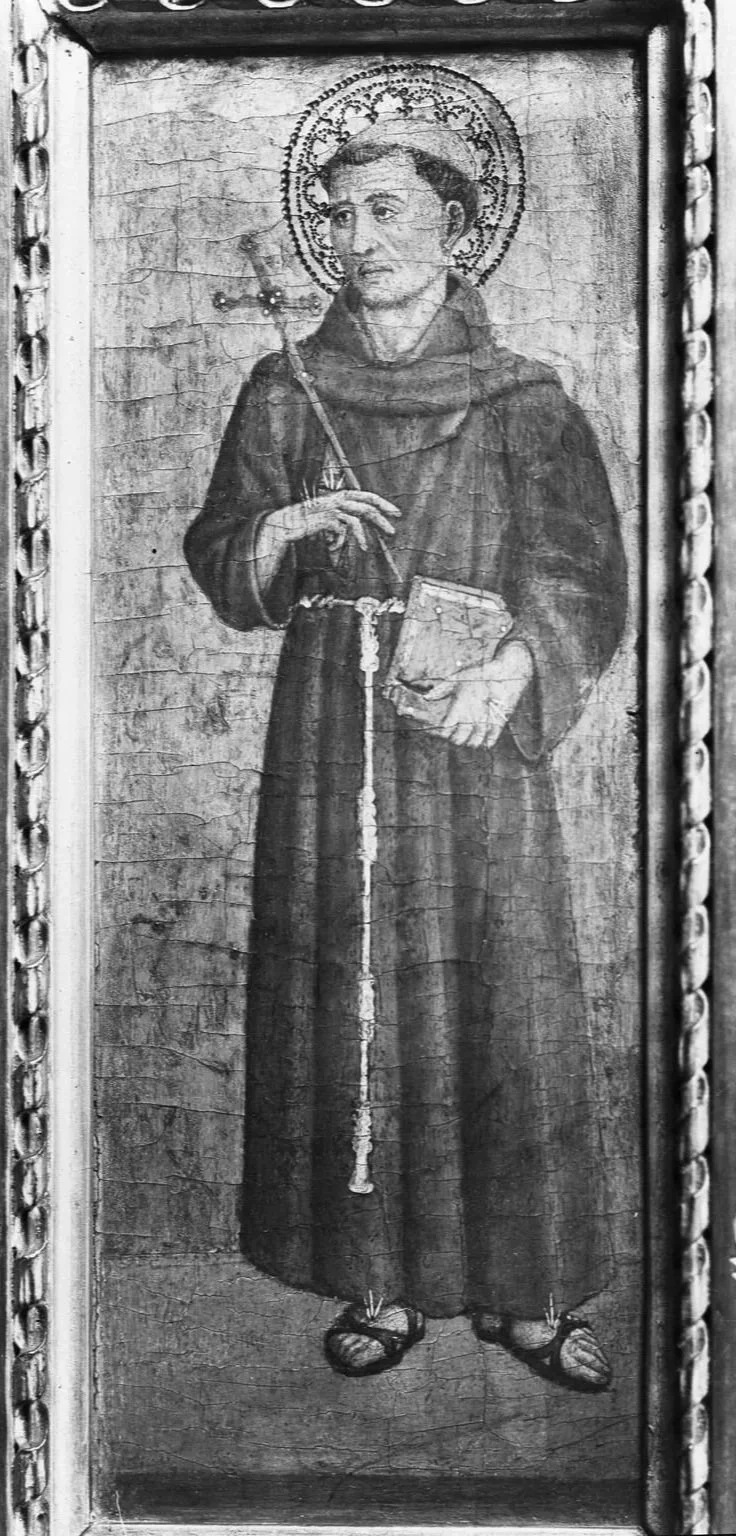
Fig. 3. Giovanni da Rimini, Saint Francis of Assisi, current location unknown.
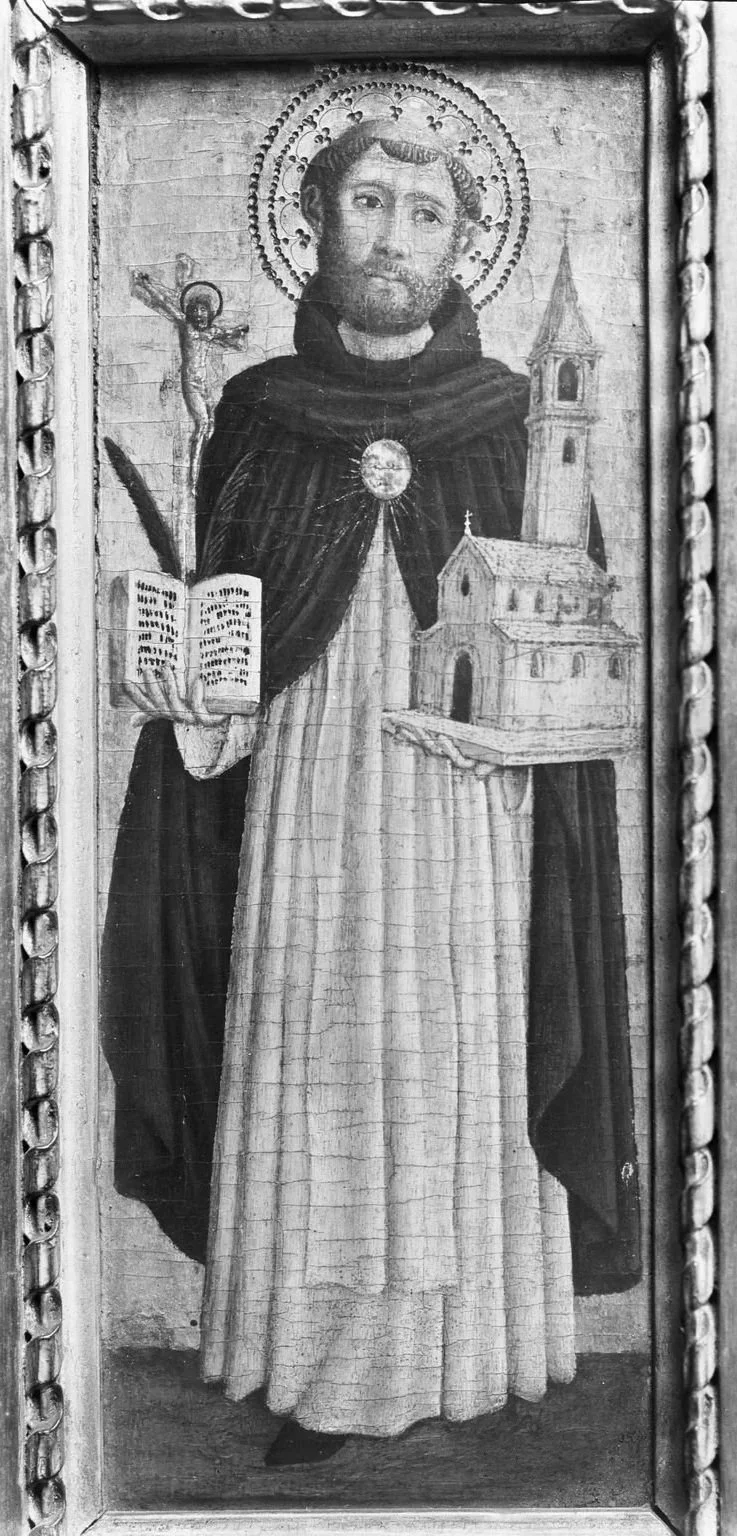
Fig. 4. Giovanni da Rimini, Saint Thomas Aquinas, current location unknown.
Our Saint Jerome is closely related to two other works by Giovanni Francesco da Rimini. The first is the figure of God the Father in the tondo in the Brooklyn Museum (Fig. 5), which shares the same inclined head and stylized features. Similar too is the treatment of the figure of Saint Jerome in the triptych painted for the church of San Francesco al Prato in Perugia, now in the Galleria Nazionale dell’Umbria (Fig. 6).[2] Our painting dates from earlier in the artist’s career than these works—the God the Father is from ca. 1460 and the triptych dates to Giovanni’s Umbrian period, ca. 1464–1470.

Fig. 5. Giovanni Francesco da Rimini, God the Father with Four Angels and the Dove of the Holy Spirit, Brooklyn Museum.
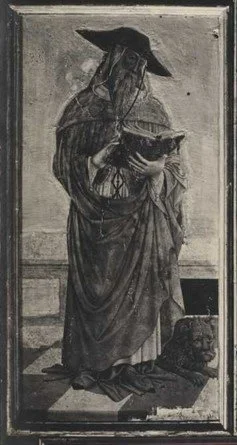
Fig. 6. Giovanni Francesco da Rimini, Virgin and Child with Saint Jerome and Saint Francis, Galleria Nazionale dell’Umbria, Perugia.
Giovanni Francesco da Rimini’s authorship of this work has recently been confirmed by Dr. Mauro Minardi (written communication, 15 February 2011).[3] In discussing our Saint Jerome and the related Saint Anthony of Padua, Saint Thomas, and Saint Francis, Minardi writes:
“The dimensions of these [four] panels suggest that they were inserted into the pilasters of a polyptych. The dimensions of the Saint Anthony of Padua from the collection Loeser are not known, but the panels of the collection Cini each measure 29.5 x 11 cm. Two photographs pulled from the archives of Federico Zeri show the panels without their frames and reveal the presence of fine bands without paint on the four sides of the panels, signaling that the panels were not re-cut. This same pattern is seen on this Saint Jerome, which is in excellent condition. Other elements permit us to link the Saint Jerome with these three other paintings of saints. Each painting presents the same plan of pinholes decorating the halos, the same marbled step upon which the saints stand, and the gold backgrounds show a similar pattern of craquelures. All of these elements permit us to believe that the four paintings, especially due to their similar style, belonged to the same altarpiece. Our painting is larger by five centimeters in the upper portion above the saint, but the proportions of the four figures are the same.
While no single altarpiece by Giovanni Francesco da Rimini exists in its entirety (and it is difficult therefore to hypothesize how the paintings were related to each other), the altarpiece that these four paintings might have belonged to should have larger dimensions and make up a commission of some importance. […] It remains to be seen to which altarpiece belonged these four saints, of which two were from the Franciscan order, and the other, Saint Thomas of Aquinas, is one of the most important representatives of the Dominican order. […] It is possible that the four paintings were removed from an altarpiece executed during the artist’s stay in Bologna. The only polyptych partially known painted for this town is that mentioned above for the altar of the church of Saint Dominic, which certainly contained the Madonna and Child Enthroned with Two Musician Angels today in the Museum of the Church of Saint Dominic, and the panel of Pesaro, while the other paintings belonging to this reconstruction can only be guessed at. It is probable that Giovanni Francesco executed a second altarpiece for Bologna, of which the Madonna and Child Enthroned, today in the Narodna Galerija of Ljubljana, made up the central panel.”
[1] For entries for these works in the Fototeca Zeri, see: https://catalogo.fondazionezeri.unibo.it/scheda/opera
/30006/; and https://catalogo.fondazionezeri.unibo.it/scheda/opera/30007. For entries for these works on Frick Digital Collections, see: https://library.frick.org/permalink/01NYA_INST/1qqhid8/alma9910127478
89707141; https://library.frick.org/permalink/01NYA_INST/1qqhid8/alma991010734579707141; and https://library.frick.org/permalink/01NYA_INST/1qqhid8/alma991010734629707141. The Saint Anthony of Padua was formerly in the collection of Charles Loeser and the pair of Saint Thomas of Aquinas and Saint Francis were in the collection of Henry Harris in London when they were first published. The latter two paintings subsequently entered the Sestieri collection in Rome in 1950 and later were in the collection of Vittorio Cini in Venice before passing on to his descendants.
[2] Francesco Santi, Galleria Nazionale dell’Umbria. Dipinti, sculture e oggetti dei secoli XV–XVI, Rome, 1985, pp. 35-36.
[3] A catalogue entry on the painting authored by Dr. Minardi is available upon request.