
SILVÈSTRO DELL’AQUILA
(Sulmona ca. 1446 – 1504 L’Aquila)
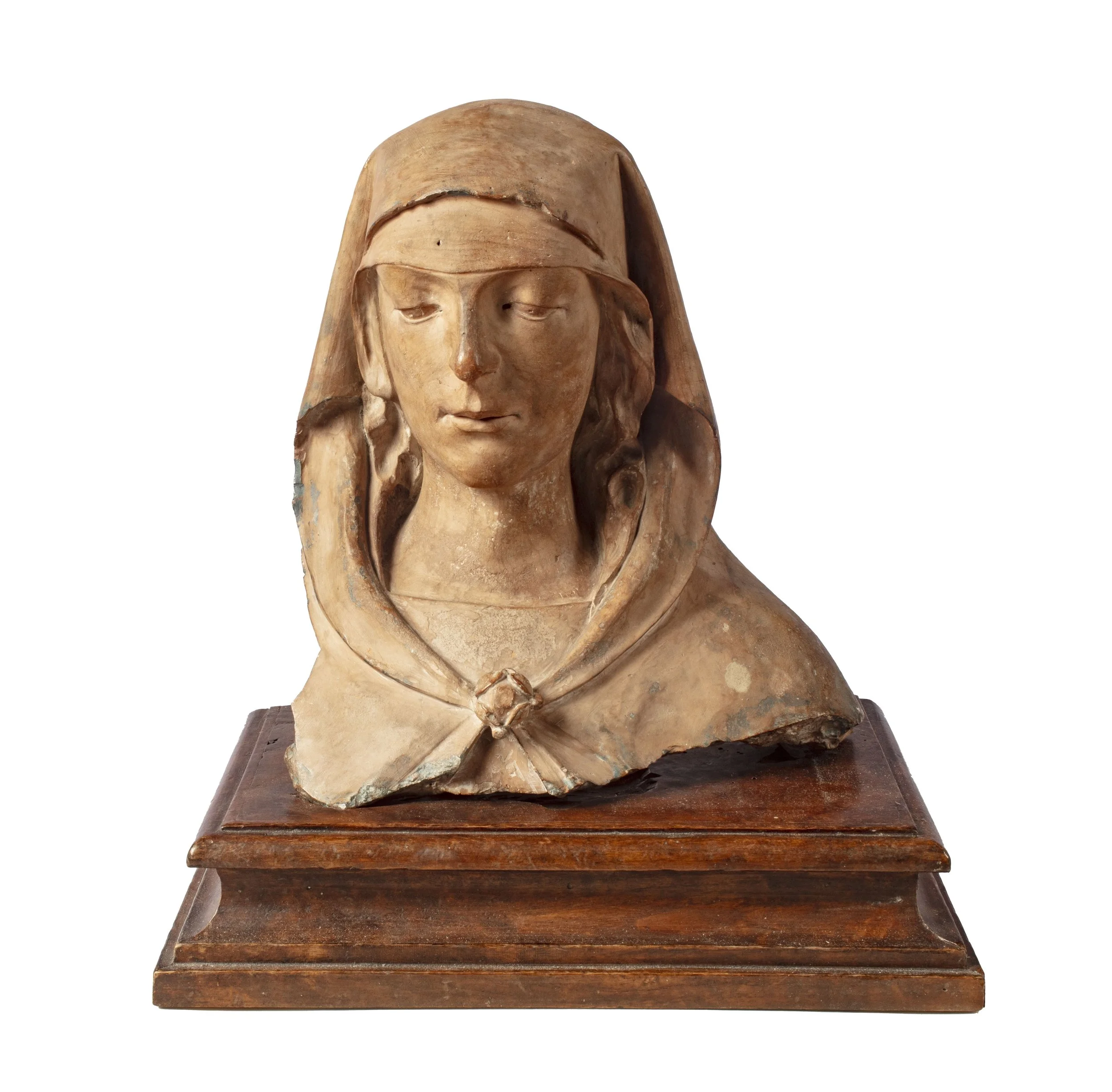
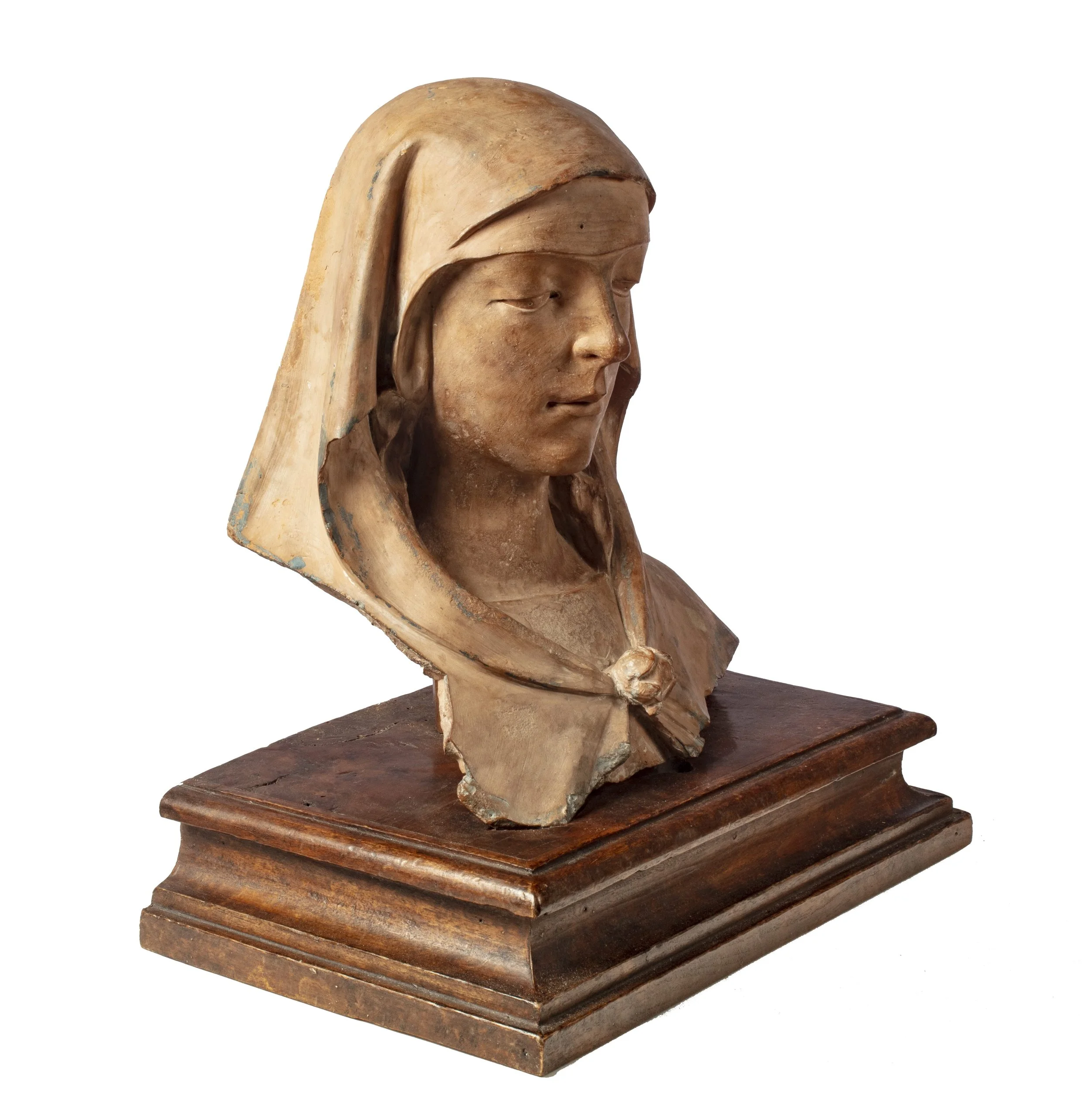
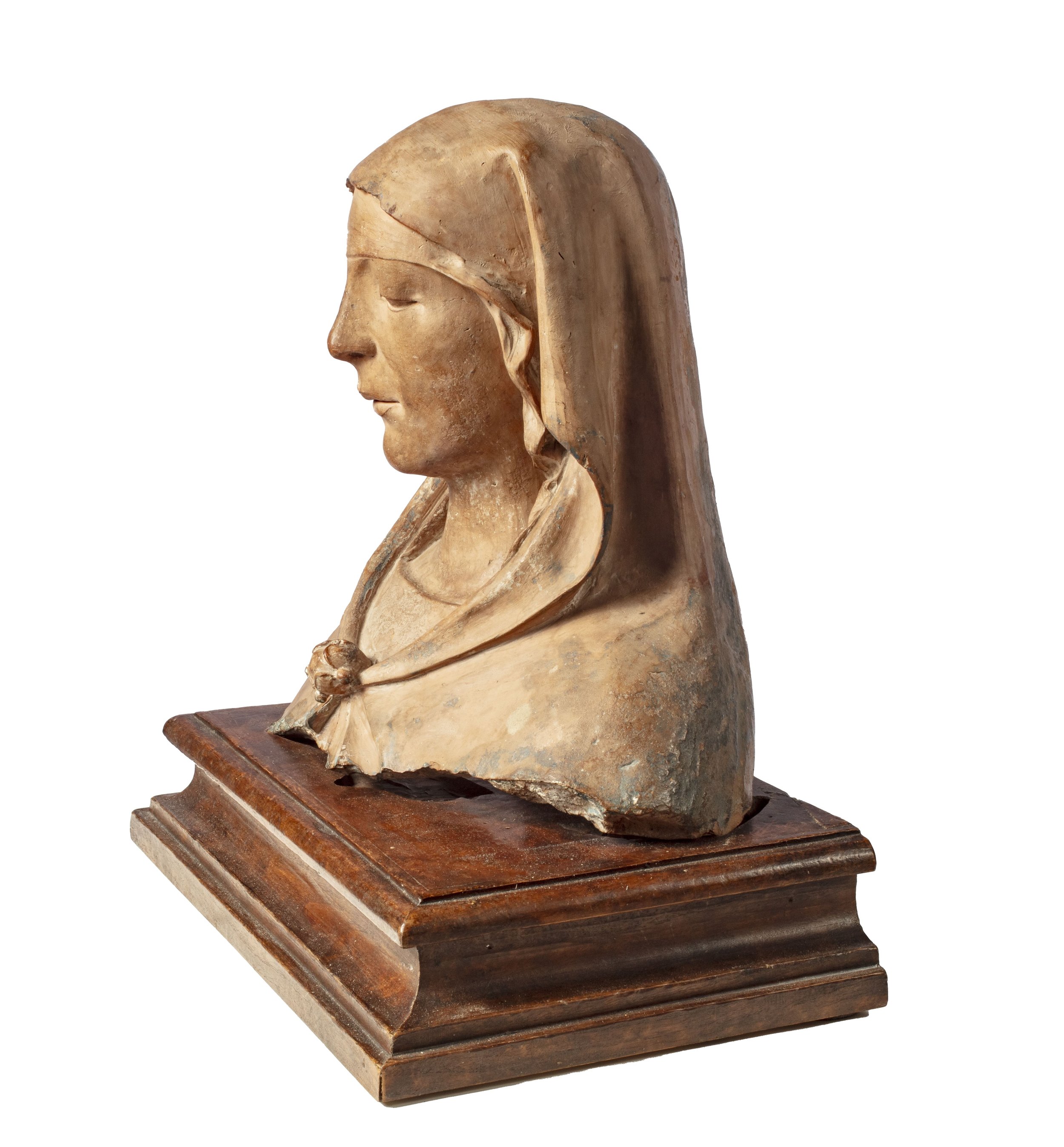
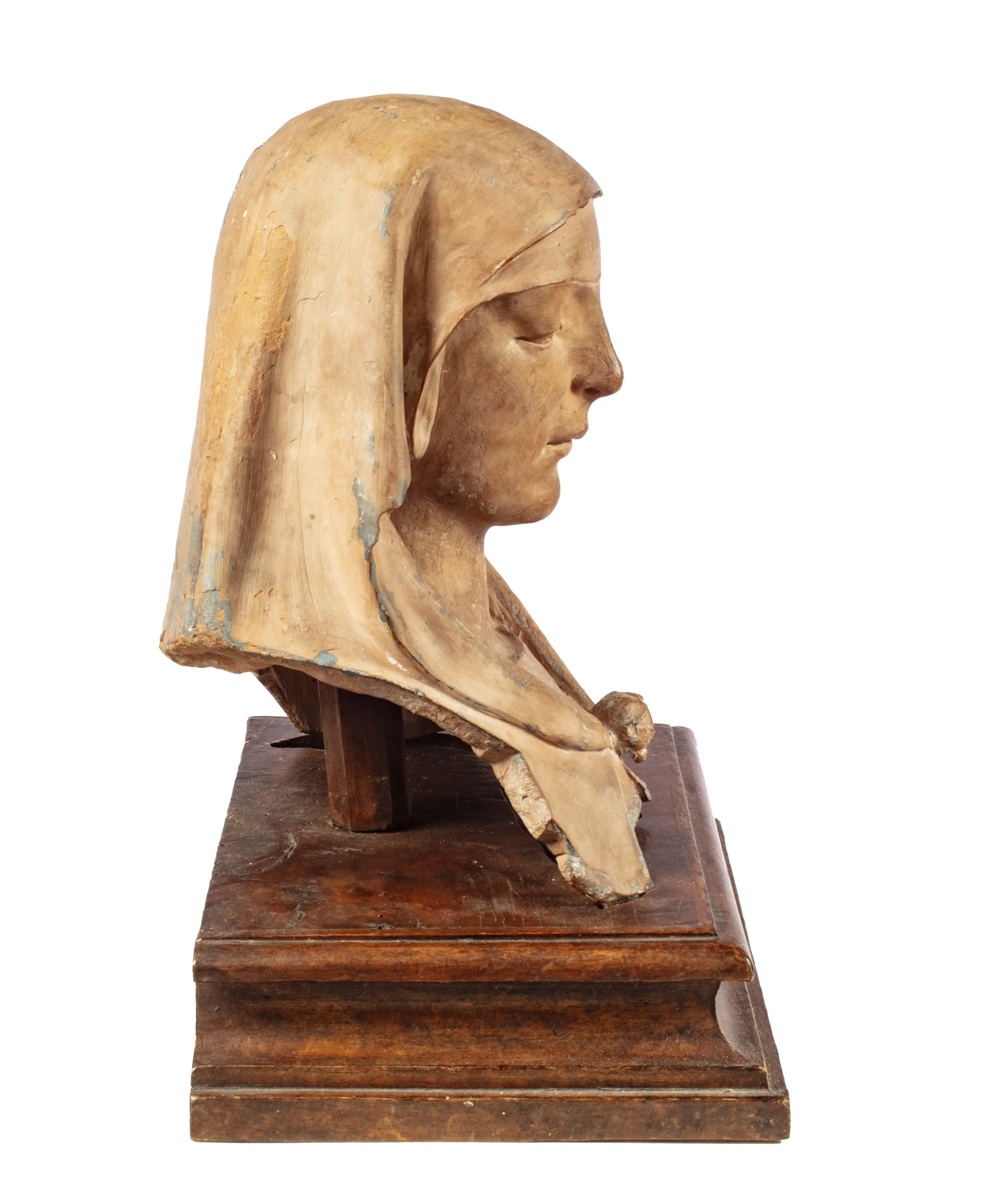
Madonna
Terracotta
14 ¼ x 12 x 8 ½ inches (36.2 x 30.5 x 21.6 cm)
Provenance:
Private Collection, Florence, Italy, until 2026.
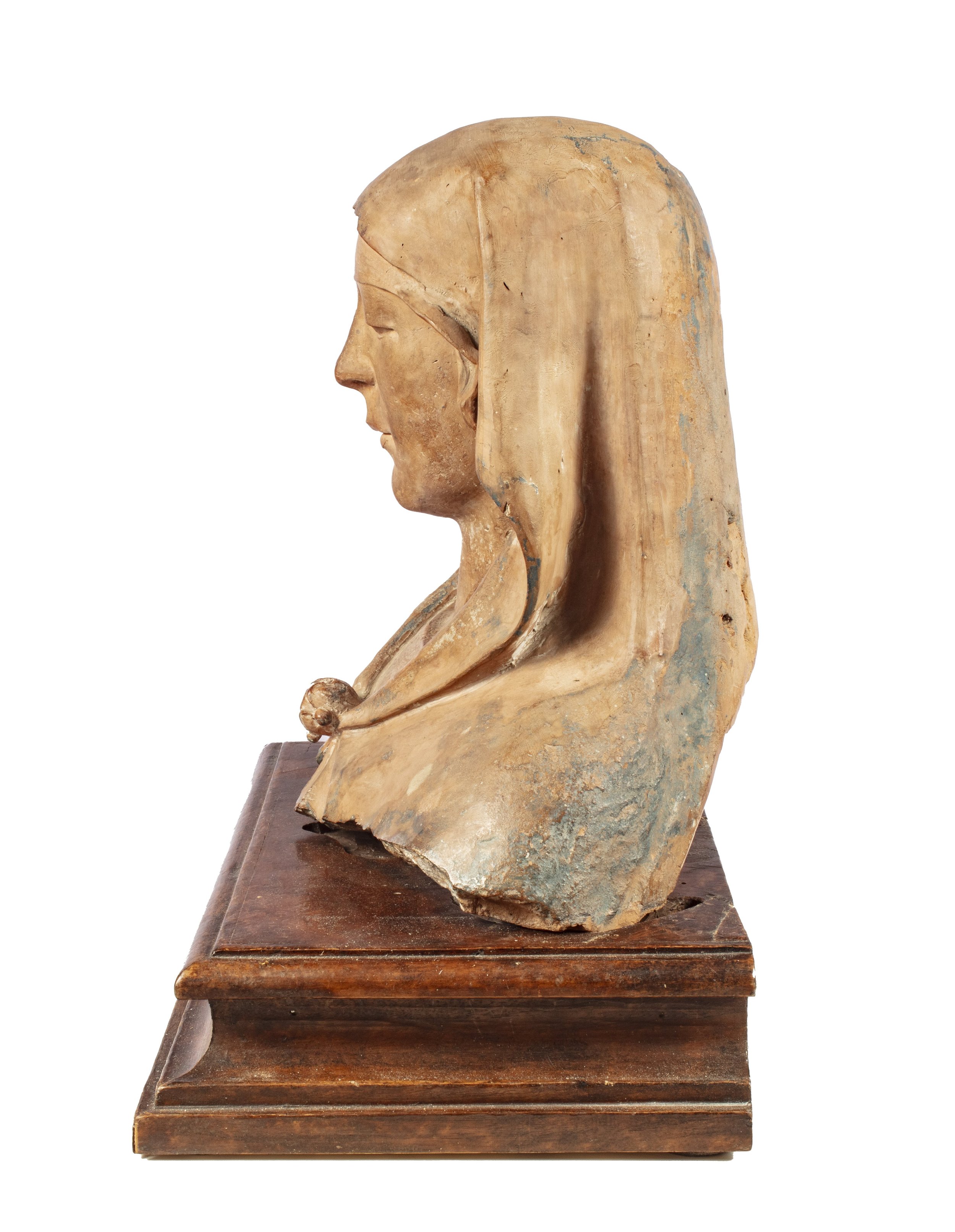
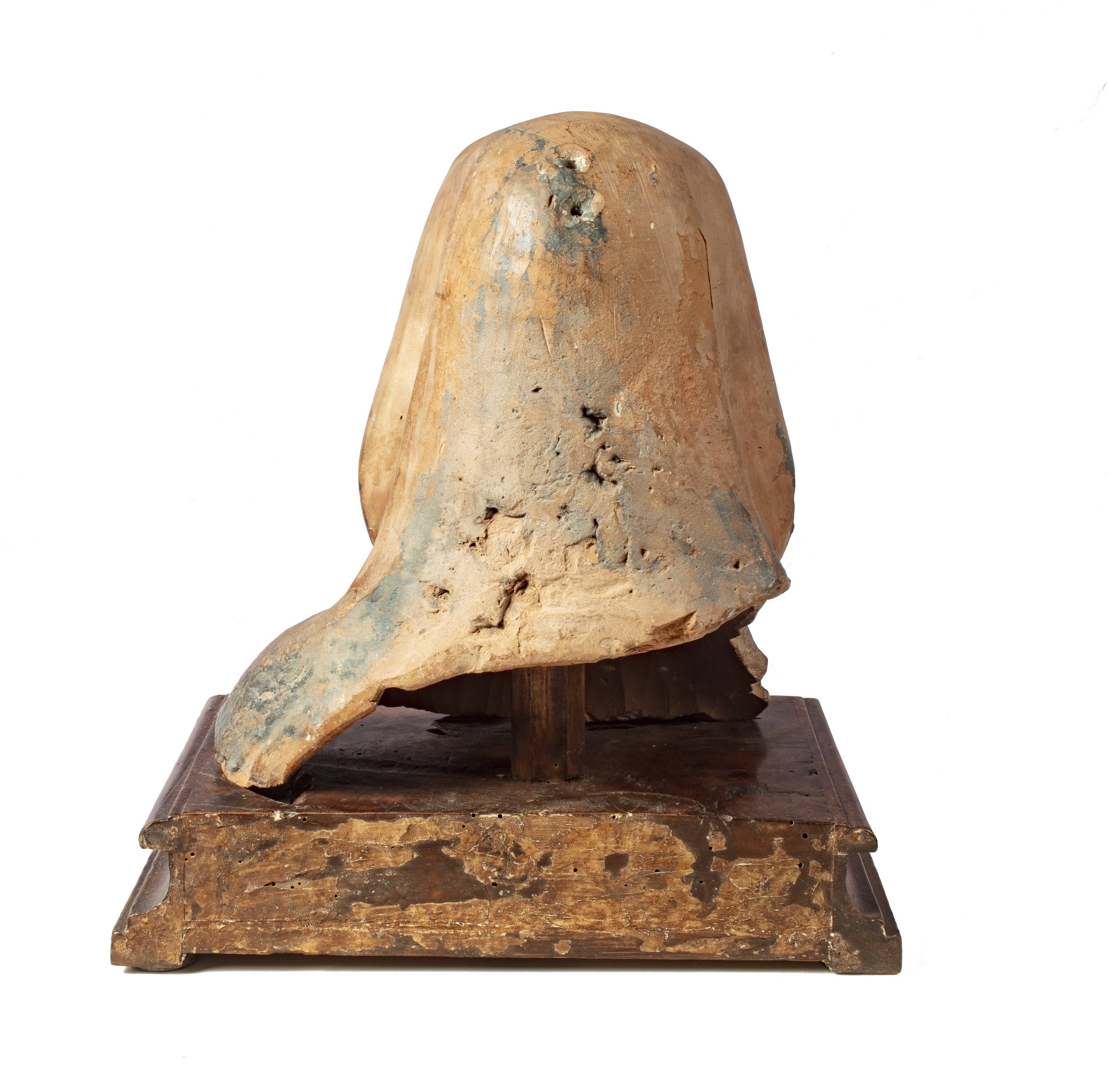
This striking bust of the Virgin Mary is the work of Silvèstro dell’Aquila, one of the leading sculptors in 15th-century Abruzzo.[1] His work is almost exclusively to be found in situ in L’Aquila, the capital city of the province, where the artist completed numerous ecclesiastical commissions for the city’s churches. Silvèstro’s sculptures are notable for their strong affinities with those of contemporary Florentine sculptors—especially Desiderio da Settignano and Antonio Rossellino—leading to speculation that he spent a period in Florence during the early part of his career.
Our Madonna dates to Silvèstro’s full maturity and is closest in style and format to his terracotta Virgin and Child of the 1490s in the Basilica di San Bernardino in L’Aquila (Fig. 1). Silvèstro specialized in such devotional sculptures of the Virgin, particularly full-length seated depictions with the Christ child placed in her lap. While our Madonna may have been similarly conceived, it could as well have been sculpted purely as a bust. Alternatively, with its traces of blue polychromy and rough edges, its fragmentary appearance may indicate that the head formed part of a processional or ceremonial statue, the other elements of which could have been in different media. Silvèstro’s hand is recognizable in the distinctive anatomy of the Virgin’s face and in the motif of the open folds of her mantle, which recurs throughout his oeuvre.
Likely the son of the goldsmith Giacomo di Paolo Sulmona, Silvèstro was first documented in L’Aquila in 1471. At the start of his career, he shared workshops with fellow sculptors—first with Giovanni Biascuccio and later with the Florentine Francesco Trugi. Silvèstro was also active as an architect and a painter, but no paintings by him have survived. His most important sculptural works include major funerary monuments for Amico Agnifili (Bishop of L’Aquila from 1431–1476) in L’Aquila Cathedral; for Beatrice Camponeschi (a daughter of the House of Aragon who died at 15-months old) in the Basilica di San Bernardino, L’Aquila; and for Saint Bernardino of Siena (who died in L’Aquila in 1441) also in the Basilica di San Bernardino. At the height of his activity, Silvèstro oversaw a large workshop with numerous assistants, including his nephew and artistic heir, Angelo di Marco. Beyond his largescale public commissions, Silvèstro is especially known for his treatments of the Virgin and Child in terracotta, marble, and wood (Fig. 2).
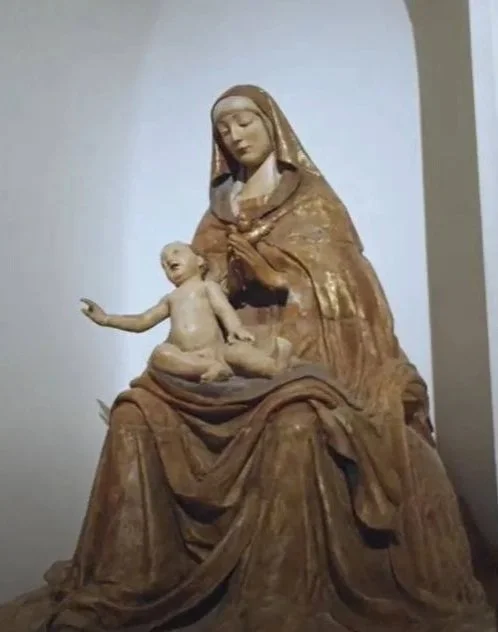
Fig. 1. Silvèstro dell’Aquila, Madonna Enthroned with the Christ Child, polychrome terracotta, Basilica di San Bernardino, L’Aquila.
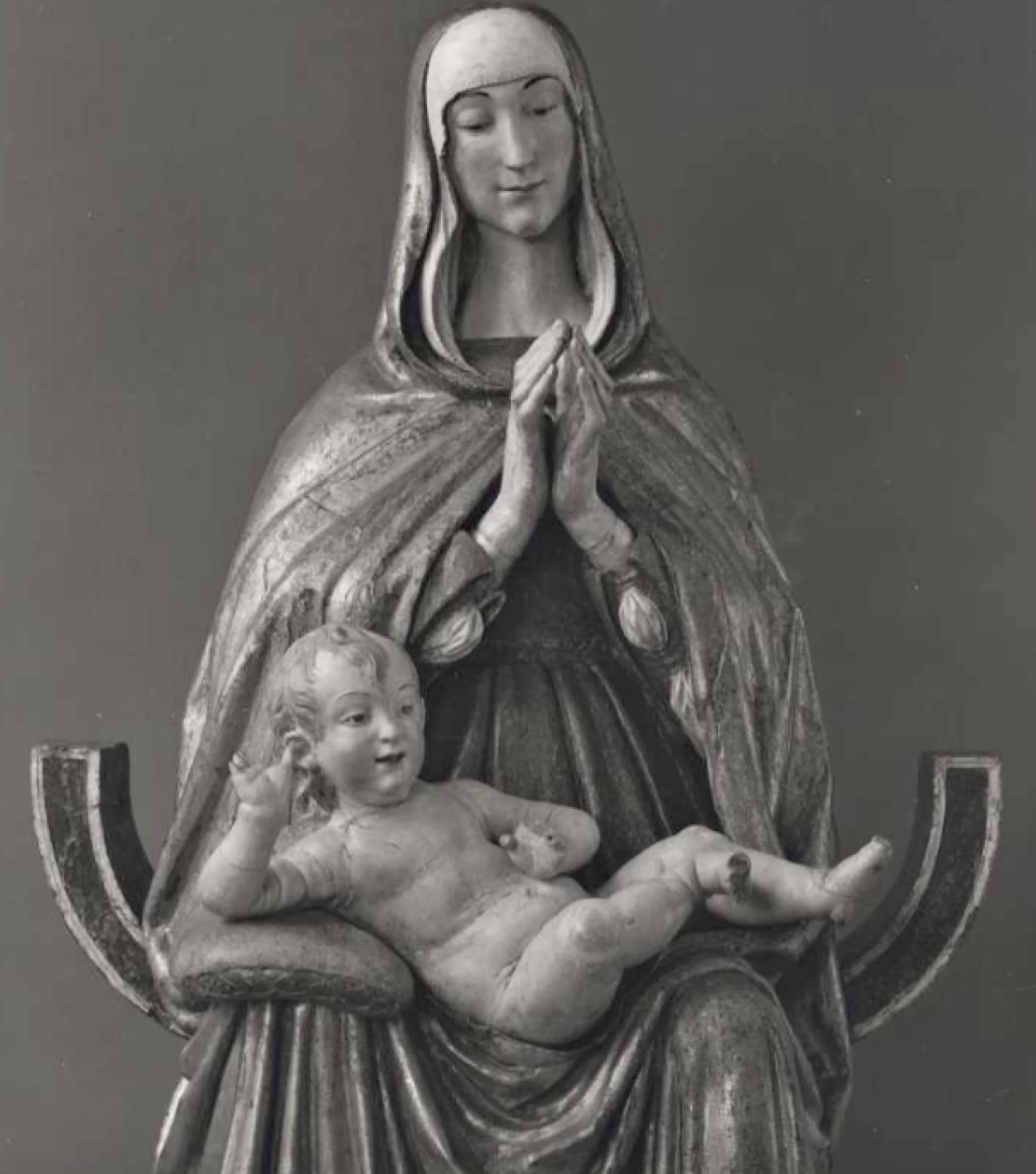
Fig. 2. Silvèstro dell’Aquila, Madonna Enthroned with the Christ Child, polychrome wood, Galleria Antichi Maestri Pittori, Turin.
[1] The artist is also known as Silvestro Aquilano, Silvestro di Giacomo da Sulmona, or Silvestro di Giacomo della Torre.