
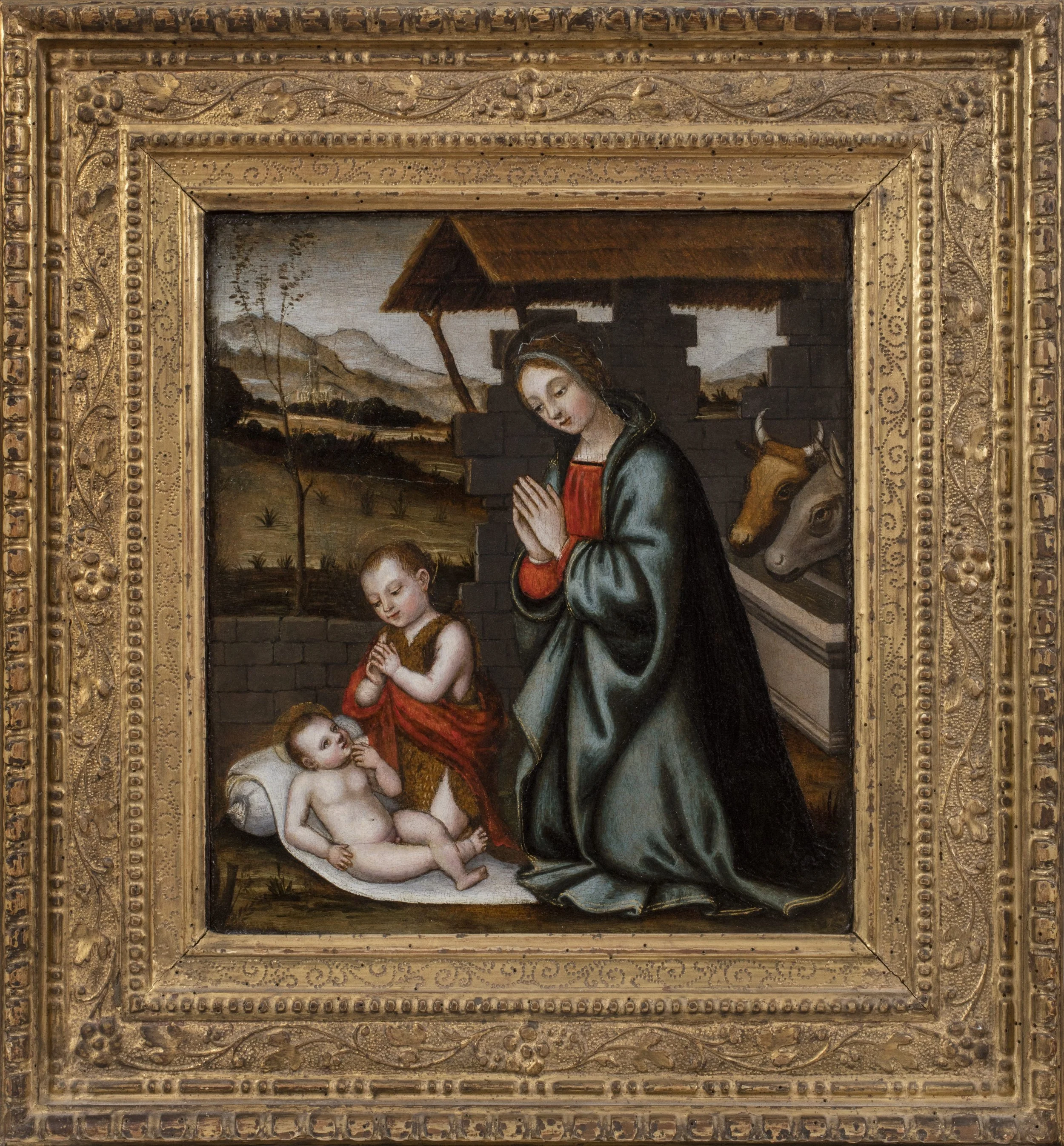
SUOR PLAUTILLA NELLI
(Florence, 1524 – 1588)
Madonna and the Infant Saint John the Baptist Adoring the Christ Child
Oil on panel
13 ⅝ x 12 ½ inches (34.6 x 31.8 cm)
Provenance:
Private Collection, Italy
This Adoration, as with many of Plautilla’s small pictures for personal devotion, testifies to the artist’s interest in painters of the previous generation and especially those associated with the School of San Marco. At first glance the painting seems to reprise one of the most popular compositions of Domenico Ghirlandaio (Fig. 1), which was frequently repeated by his workshop assistants and collaborators.[1] That composition is here filtered through another source: a work of the 1510s by the so-called Master of Apollo and Daphne (Fig. 2).[2]
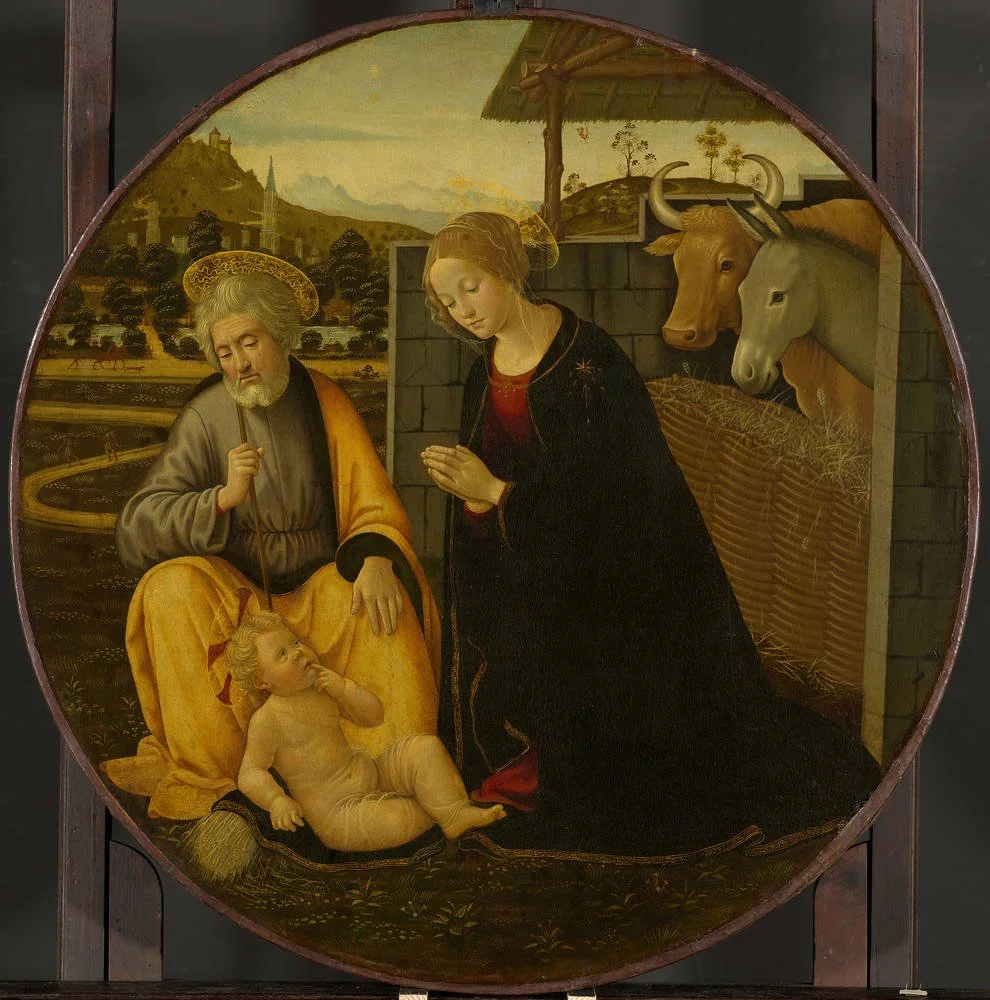
Fig. 1. Workshop of Domenico Ghirlandaio, Holy Family, Gemäldegalerie, Dresden.
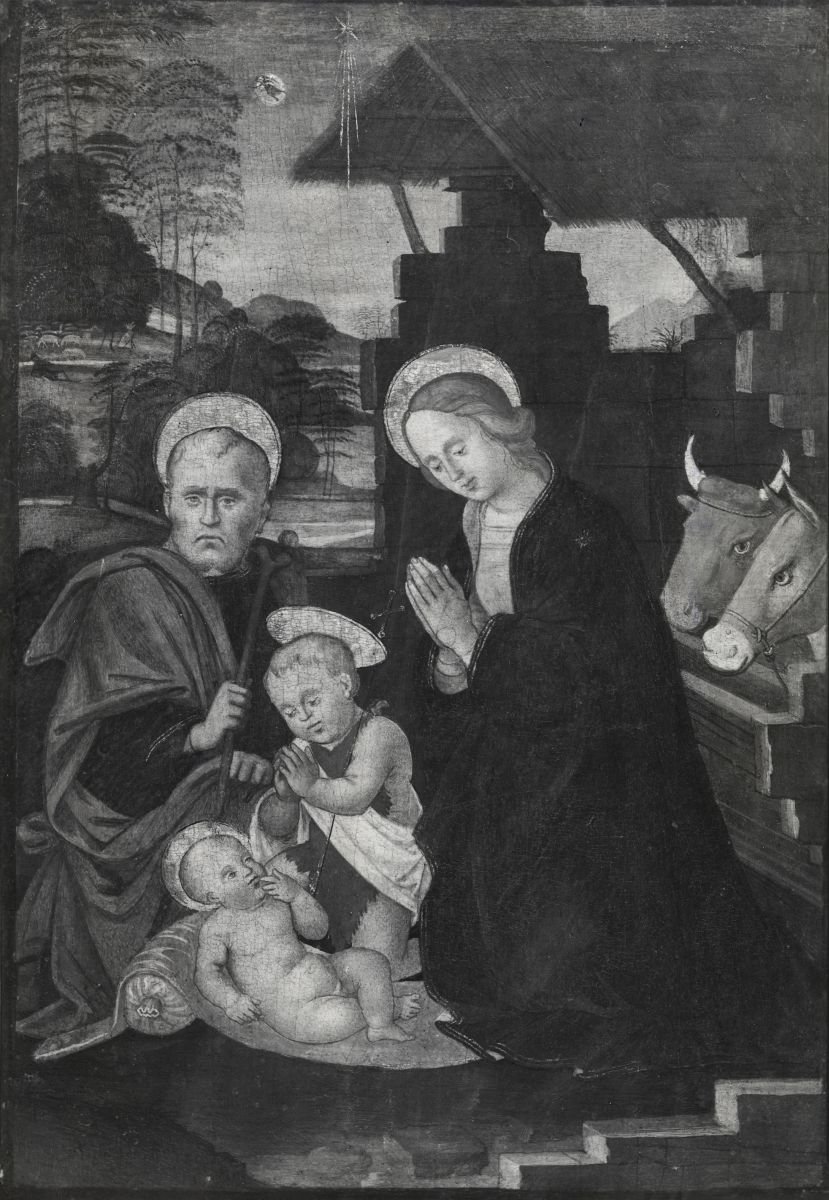
Fig. 2. Master of Apollo and Daphne, Holy Family with the Infant Saint John, location unknown.
The underdrawing for the present work—which is plainly visible in the infrared reflectography (Plate 1)—reveals that Plautilla initially included a figure of Saint Joseph seated behind the infant Saint John the Baptist. The X-radiograph (Plate 2) shows that the figure was fully painted, but Plautilla subsequently covered him with the landscape. Joseph’s facial features are visible to the naked eye today. Two eyes and eyebrows and his proper left ear are faintly visible just beneath the small building in the background, which partially disguises the original placement of his head. It is difficult to know why Plautilla chose to eliminate Saint Joseph. But in canceling this figure—who looked out of the picture to meet the viewer’s gaze—she shifted the focus to the Virgin and John, highlighting their roles as devotional models for those who may have originally prayed before the picture.
While the figure of Saint Joseph is present in some versions of this composition painted by Ghirlandaio and his workshop, he never appears in the same pose as in Plautilla’s underdrawing, which instead matches the painting by the Master of Apollo and Daphne. The stable, animals, and landscape are also virtually identical, suggesting that this painting (or another treatment by the artist) was Plautilla’s direct source. The Master of Apollo and Daphne seems to have begun his career under Sandro Botticelli in the 1490s. He later worked routinely for Dominican clients, and in 1515–1516 collaborated with Fra Bartolomeo and the sculptor Andrea della Robbia (a known Savonarola sympathizer) on a multimedia Nativity group at the Dominican convent in Caldine, near Fiesole.[3] Given the Master of Apollo and Daphne’s popularity among Dominican audiences and his close association with the School of San Marco, it is no surprise that Plautilla would have been aware of and inspired by his works. Here she approaches the composition of the Adoration with her highly personal visual language. As with many of her small-scale panels, the naïve, doll-like figures with pleasant expressions are reductions of those in Plautilla’s Lamentation (Fig. 3) and Pentecost (Fig. 4) altarpieces of the 1550s. The pearlescent palette and broad, clearly defined draperies are also characteristic.
Notably, the panel survives in its original dimensions. The gesso barbe (or lip) is present on all four sides of the paint edge, indicating that the work originally had an engaged frame.
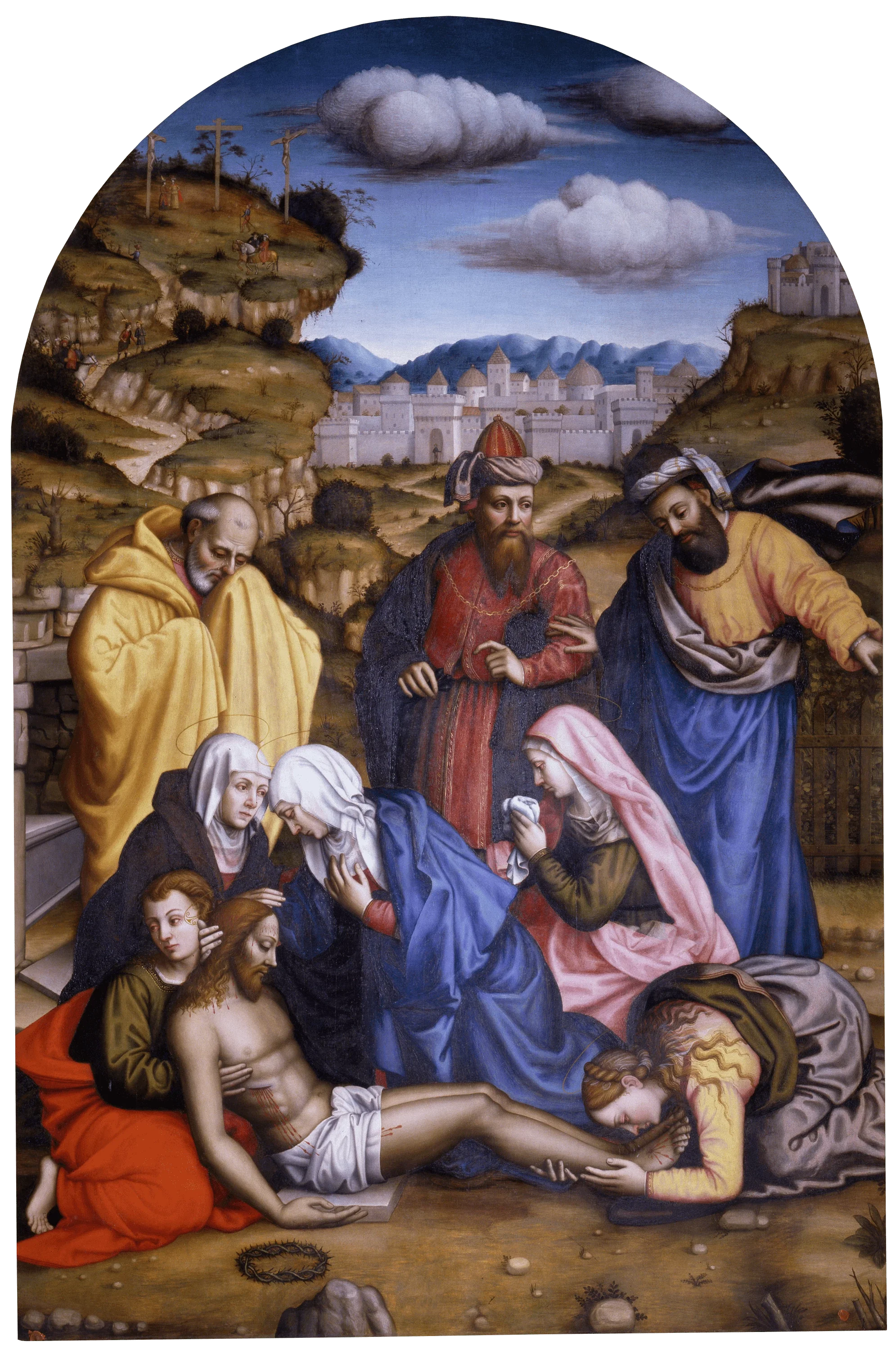
Fig. 3. Plautilla Nelli, Lamentation of Christ, Museo di San Marco, Florence.
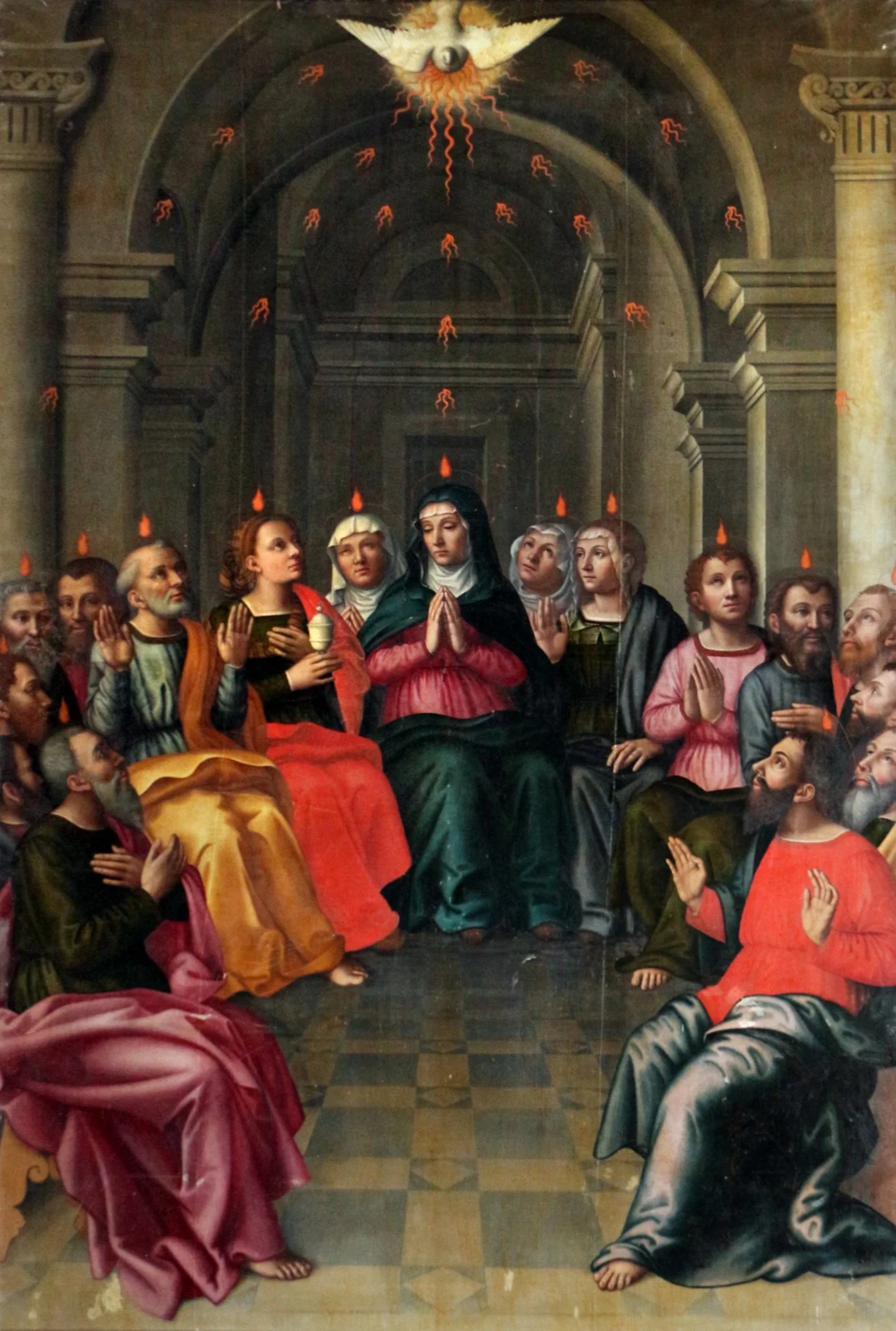
Fig. 4. Plautilla Nelli, Pentecost, Basilica di San Domenico, Perugia.
Technical Images
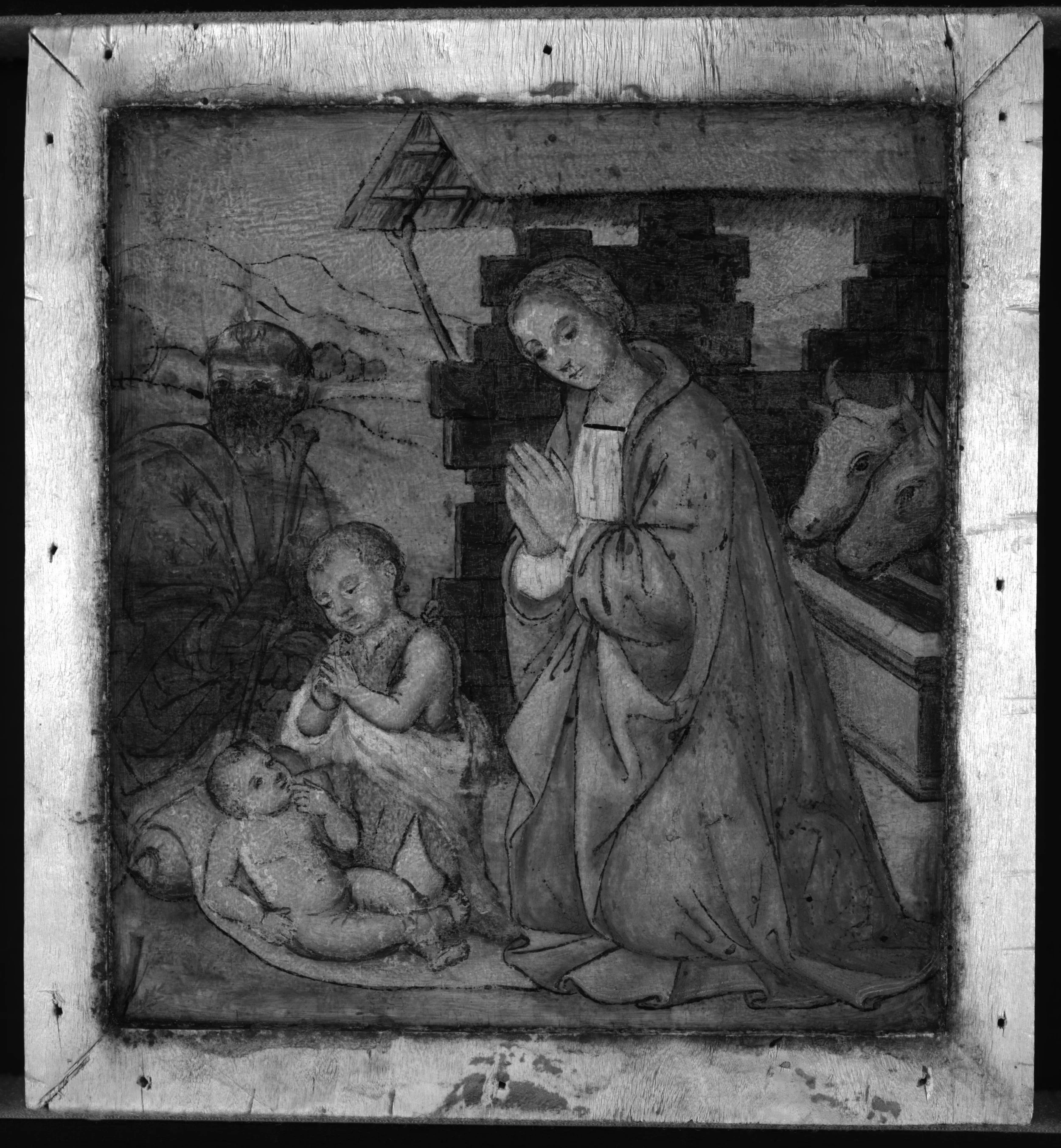
Plate 1. Infrared Reflectogram of the present work.
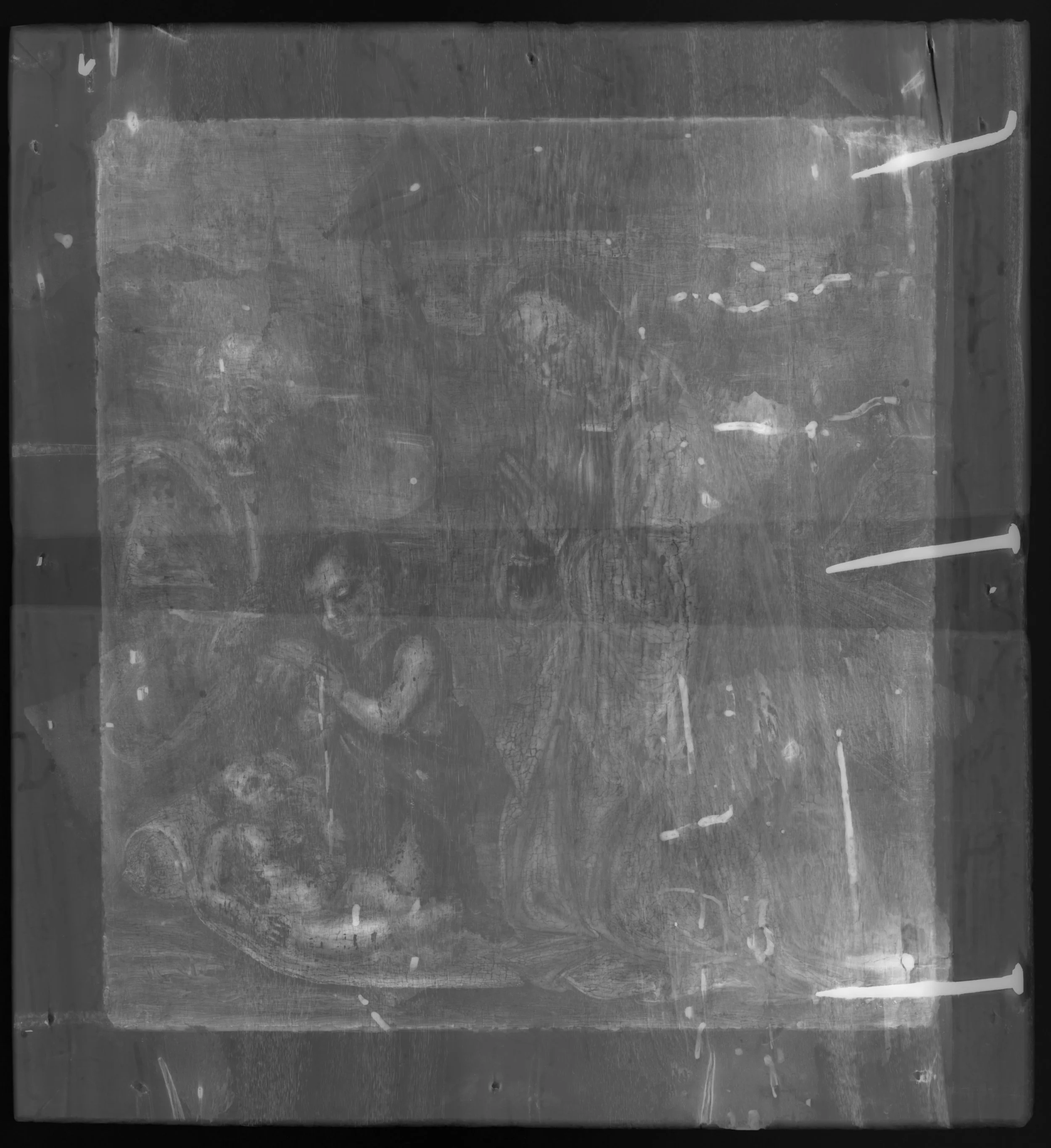
Plate 2. X-radiograph of the present work.
[1] For a recent study of these various versions, see: Rafał Quirini-Popławski and Christopher Daly, “The Adoration of the Child by the Ghirlandaio Workshop Rediscovered in Zhytomyr,” Colnaghi Studies Journal, vol. 14 (March 2024), pp. 66-83, esp. pp. 82-83.
[2] Nicoletta Pons, “Il Maestro di Apollo e Dafne al Convento della Maddalena alle Caldine,” Antichità Viva, vol. 31, no. 4 (1992), p. 21, fig. 10.
[3] Nicoletta Pons has proposed to identify the Master of Apollo and Daphne with Giovanni di Benedetto Cianfanini (1470?–1542), a documented pupil of Botticelli’s who is later mentioned alongside Lorenzo di Credi and Fra Bartolomeo. See: Nicoletta Pons, “Importanti Opere Perdute di Pittori Fiorentini a Pistoia e una Aggiunta al Maestro di Apollo e Dafne,” in Fra Paolino e La Pittura a Pistoia Nel Primo ’500, ed. Chiara d’Afflitto et. al., exh. cat., Florence, 1996, pp. 51-52; and Nicoletta Pons, “Giovanni di Benedetto Cianfanini e L’Identificazione con il Maestro di Apollo e Dafne,” Botticelli Designer: Actes des Colloques (Paris, Institut Culturel Italien, 16 décembre 2021), ed. Ana Debenedetti and Matteo Gianeselli, in press.