
RECENTLY ACQUIRED BY AN AMERICAN MUSEUM
SUOR PLAUTILLA NELLI
(Florence, 1524 – 1588)
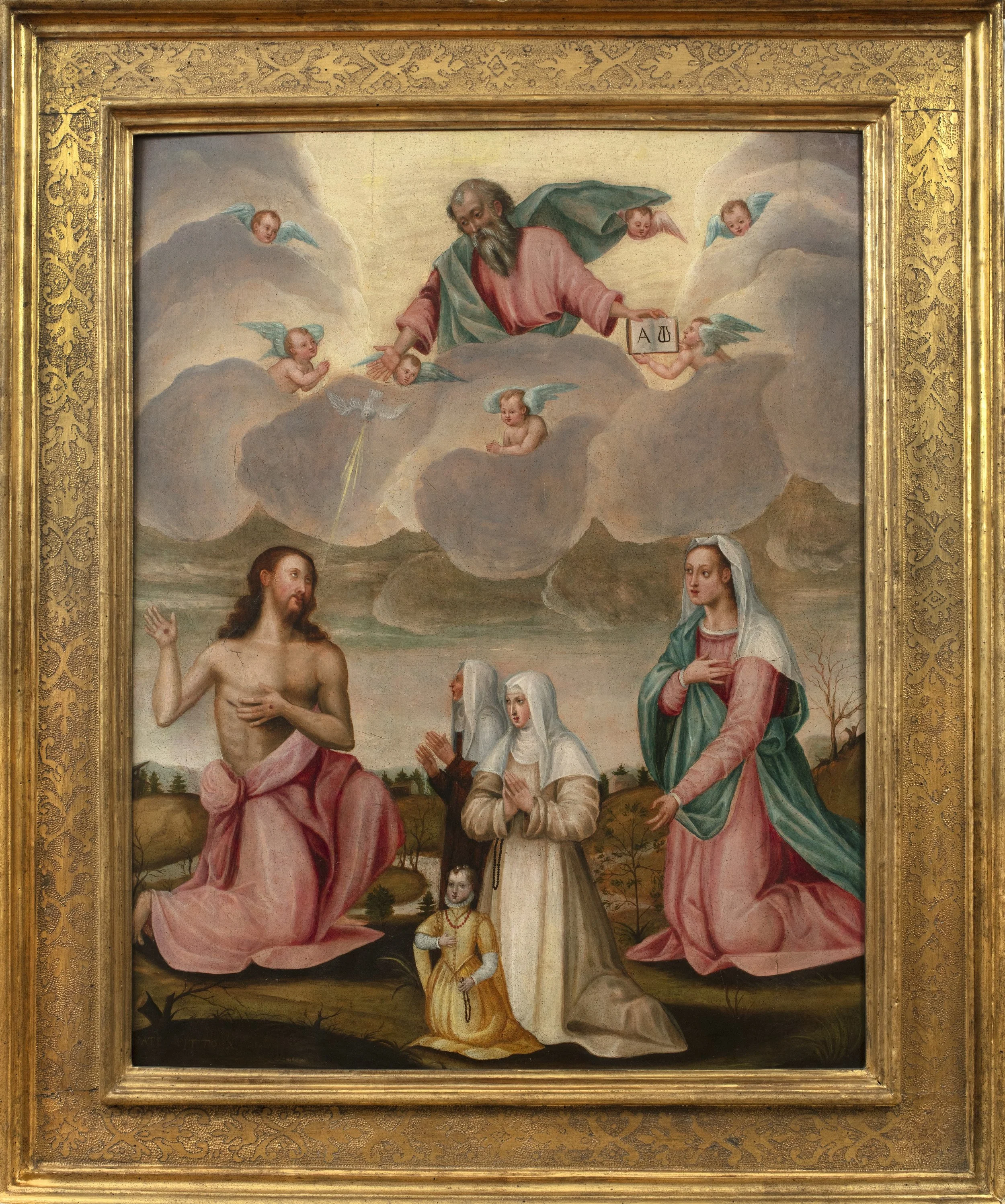
Christ and the Virgin Interceding with God the Father on Behalf of Two Women and a Young Girl
Signed, lower left: ORATE PITTORA
Oil on panel
36 ½ x 28 ½ inches (92.7 x 71.4 cm)
Provenance:
Private Collection, Florence, by 1968.
Pandolfini Casa d’Aste, Florence, 18 October 2012, lot 256, as circle of Pier Francesco di Jacopo Foschi.
Hampel, Munich, 7 December 2017, lot 361, as attributed to Giovanni Battista Verrocchio; where acquired by:
Private Collection, Italy.
Literature:
Alessandro Parronchi, “Due Appunti sul Foschi,” in Antichità Viva, vol. 7, no. 2 (March – April 1968), pp. 4-5, 9, figs. 8-9, as follower of Pier Francesco Foschi.
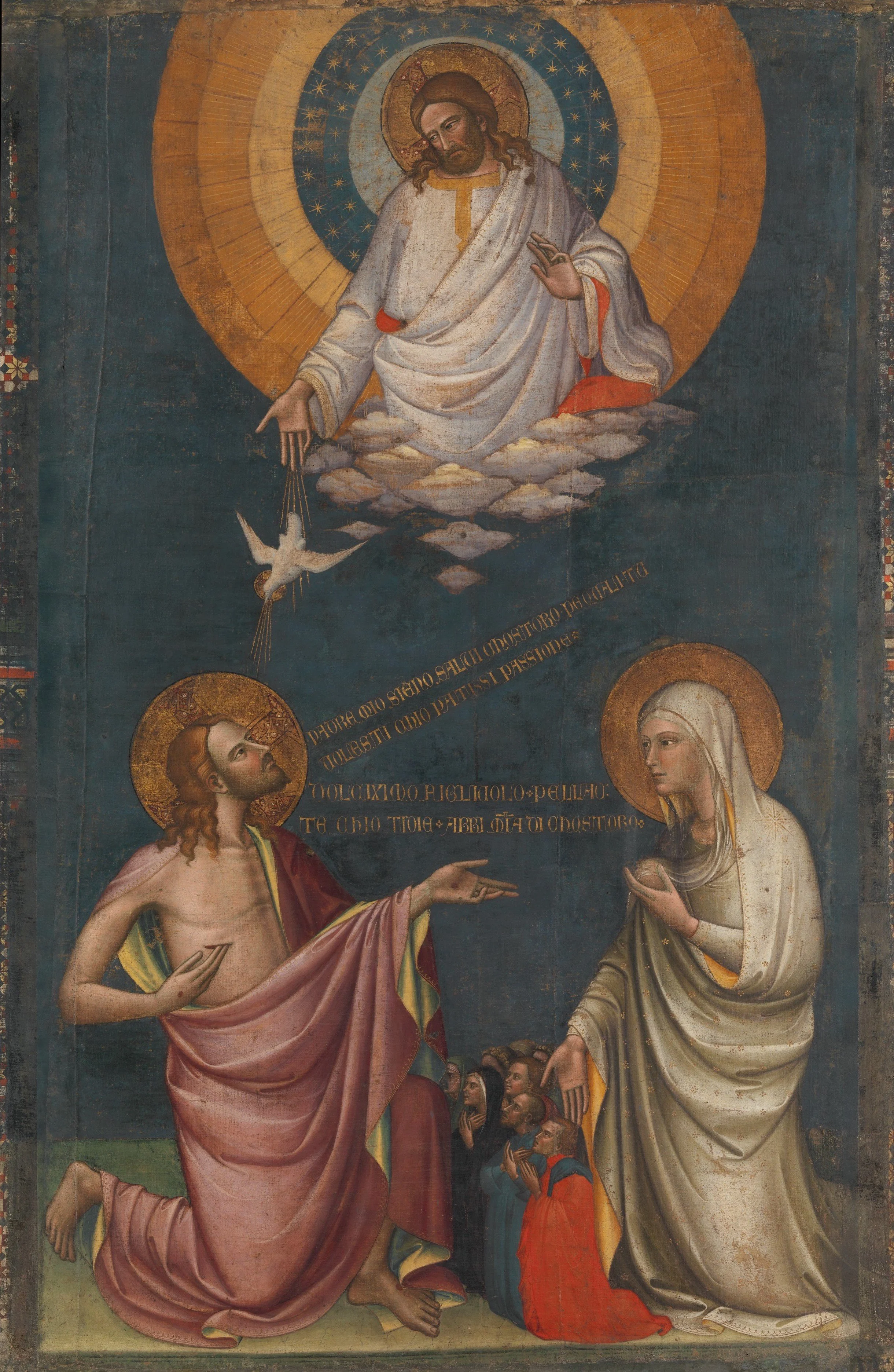
Fig. 1. Attributed to Lorenzo Monaco, The Intercession of Christ and the Virgin, Metropolitan Museum of Art, New York.
The subject of this monumental painting is based on the Intercession of Christ and the Virgin attributed to Lorenzo Monaco (now in the Metropolitan Museum of Art), which once held a prominent position in the Cathedral of Santa Maria del Fiore in Florence (Fig. 1).[1] That work, perhaps conceived as a processional banner (gonfalone), was originally located over the altar of the Trinity in the north chapel of the counter-façade of the cathedral. From this position, it would have been visible across the entire length of the church, and it may have sometimes been processed around the streets of Florence. Inscribed words on the canvas record the dialogue spoken between the figures as the Virgin intercedes on behalf of the devotees depicted in the center. The Virgin, holding her breast, says to Christ “Dearest son, because of the milk that I gave you, have mercy on them,” as she gestures to the figures below. Christ, in turn, touches the wound in his side and gazes up in the sky, speaking to God the Father above: “My father, let those be saved for whom you wished me to suffer the Passion.”
Because the process of clausura (cloistering of the nuns from the outside world) did not begin at Santa Caterina da Siena until nearly the end of Plautilla’s life and career, it is likely that she took direct inspiration from Lorenzo Monaco’s Intercession, which served as a prototype for all subsequent versions of the iconography (numbering 14 in total). Like most Florentines, Plautilla would have been familiar with the canvas because of its prominent location in the cathedral. Her patrons likely requested an updated variant of the rare iconography, which carried votive connotations and was repeatedly depicted in times of plague or war. Here the donor figures are two women—one dressed in the cream-colored habit of a Dominican nun, and the other wearing a brown habit of the Clarissan or Carmelite orders. These women and the elegantly dressed child holding a rosary who kneels alongside them may be members of the same high-status family (considering the dress of the young girl). The grouping provides an indication of the family ties that existed within and between convents, and the inclusion of the child may reflect the fact that young girls were often boarded at convents where they had kinswomen.

Fig. 2. Detail of the signature in the present work.
The Virgin Mary is shown kneeling to the right of the women, reaching out her arm to indicate them and interceding with Christ on their behalf. Both figures mirror the gestures of their counterparts in the work attributed to Lorenzo Monaco. God the Father appears in the clouds above, surrounded by winged putti. He holds a book with the symbols of Alpha and Omega, and he responds to his son’s plea by sending the Holy Spirit down to him in the form of a dove.
This painting is one of only three signed works by Plautilla Nelli. Located in the lower left, her signature (Fig. 2)—“Orate Pittora” or “Pray for the Paintress”—is a variant of the one she used in the Last Supper for her convent, “Orate Pro Pictora” (Figs. 3-4). Both of these phrases echo the signature used by Nelli’s artistic forefather, Fra Bartolomeo (“Orate Pro Pictore” or “Pray for the Painter”) and his associates, but changed to the feminine.
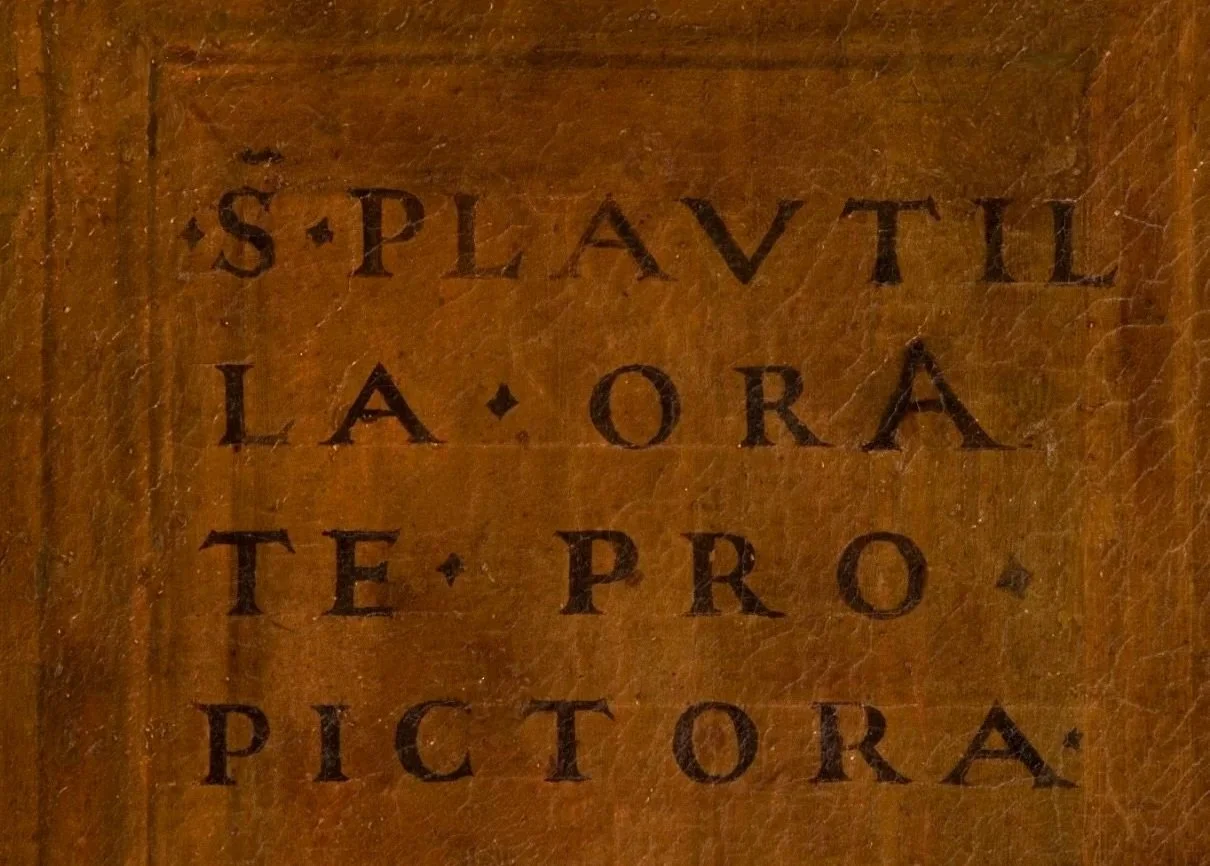
Fig. 3. Detail of the signature in Plautilla Nelli’s Last Supper, Museo di Santa Maria Novella, Florence
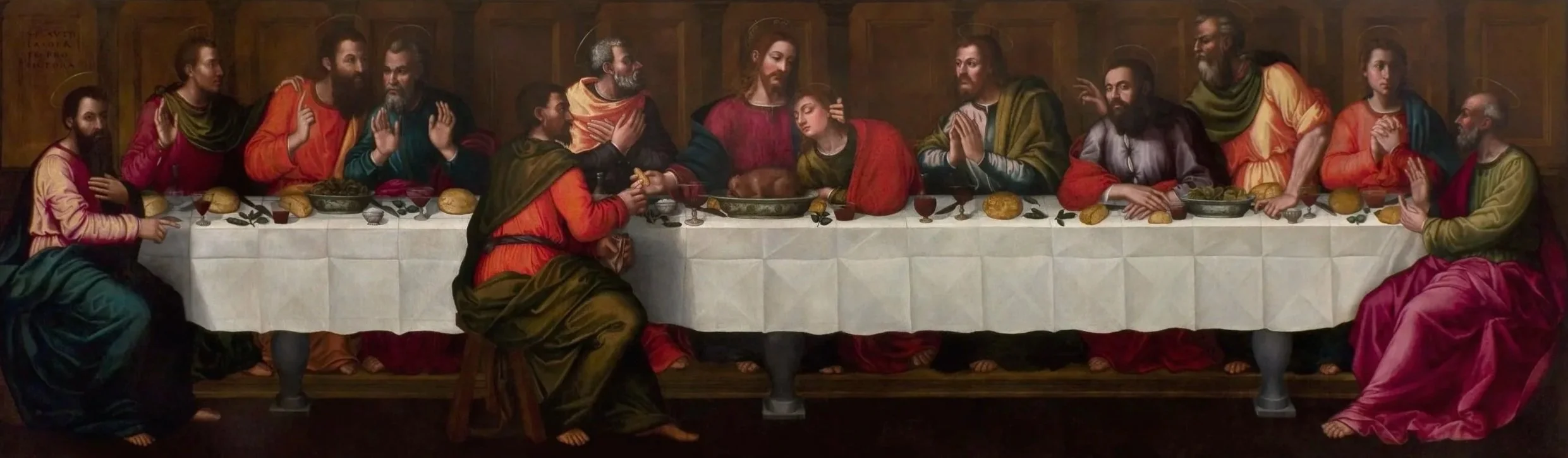
Fig. 4. Plautilla Nelli, Last Supper, Museo di Santa Maria Novella, Florence.
Technical Images
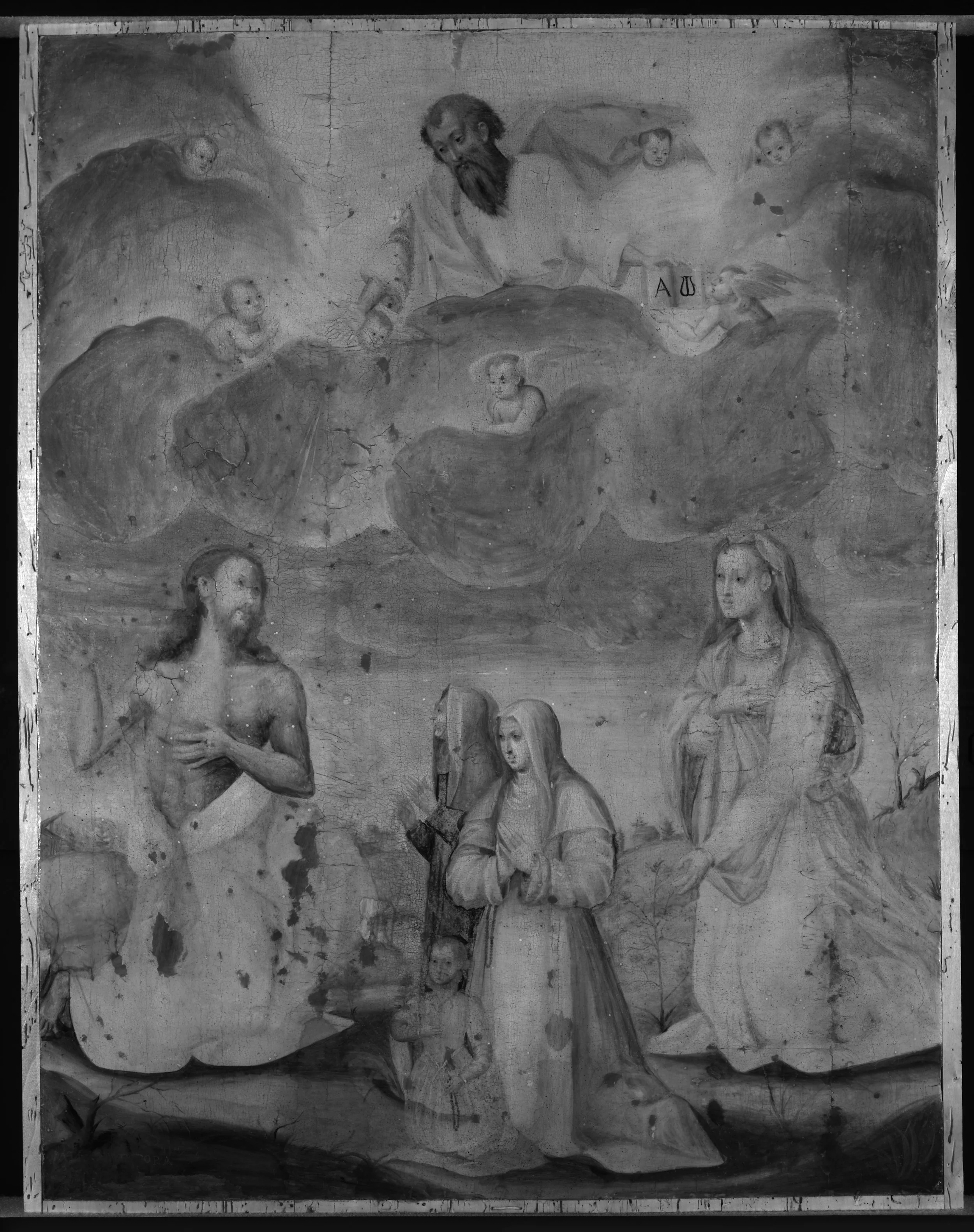
Plate 1. Infrared Reflectogram of the present work.
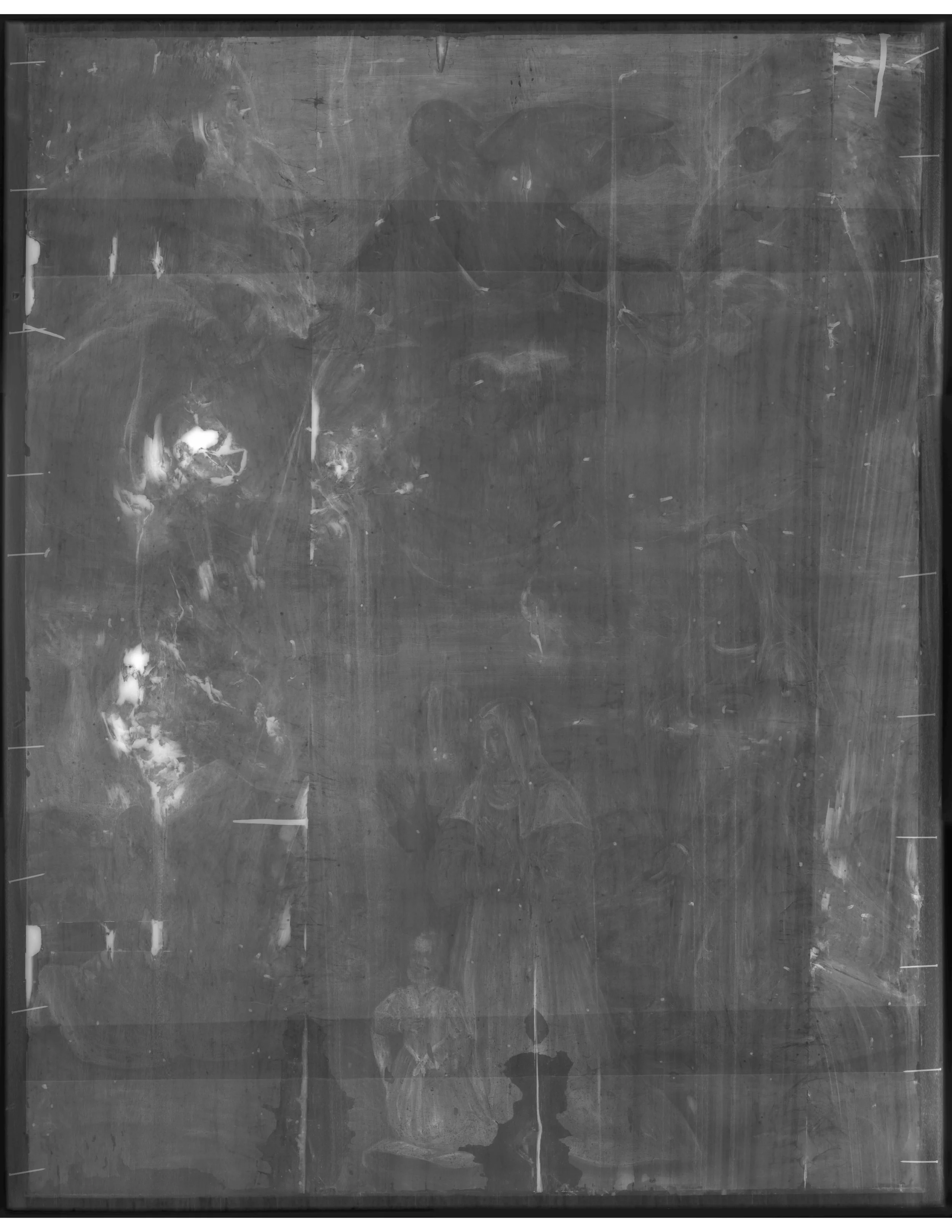
Plate 2. X-radiograph of the present work.
[1] https://www.metmuseum.org/art/collection/search/470328. For a recent publication on this work, see: Jessica N. Richardson, “Natural Calamities, Litany, and Banners: The Intercession of the Virgin and Christ in Fourteenth- and Fifteenth-Century Florence,” Mitteilungen des Kunsthistorischen Institutes in Florenz, vol. 65, no. 1 (2023), pp. 44-71.