
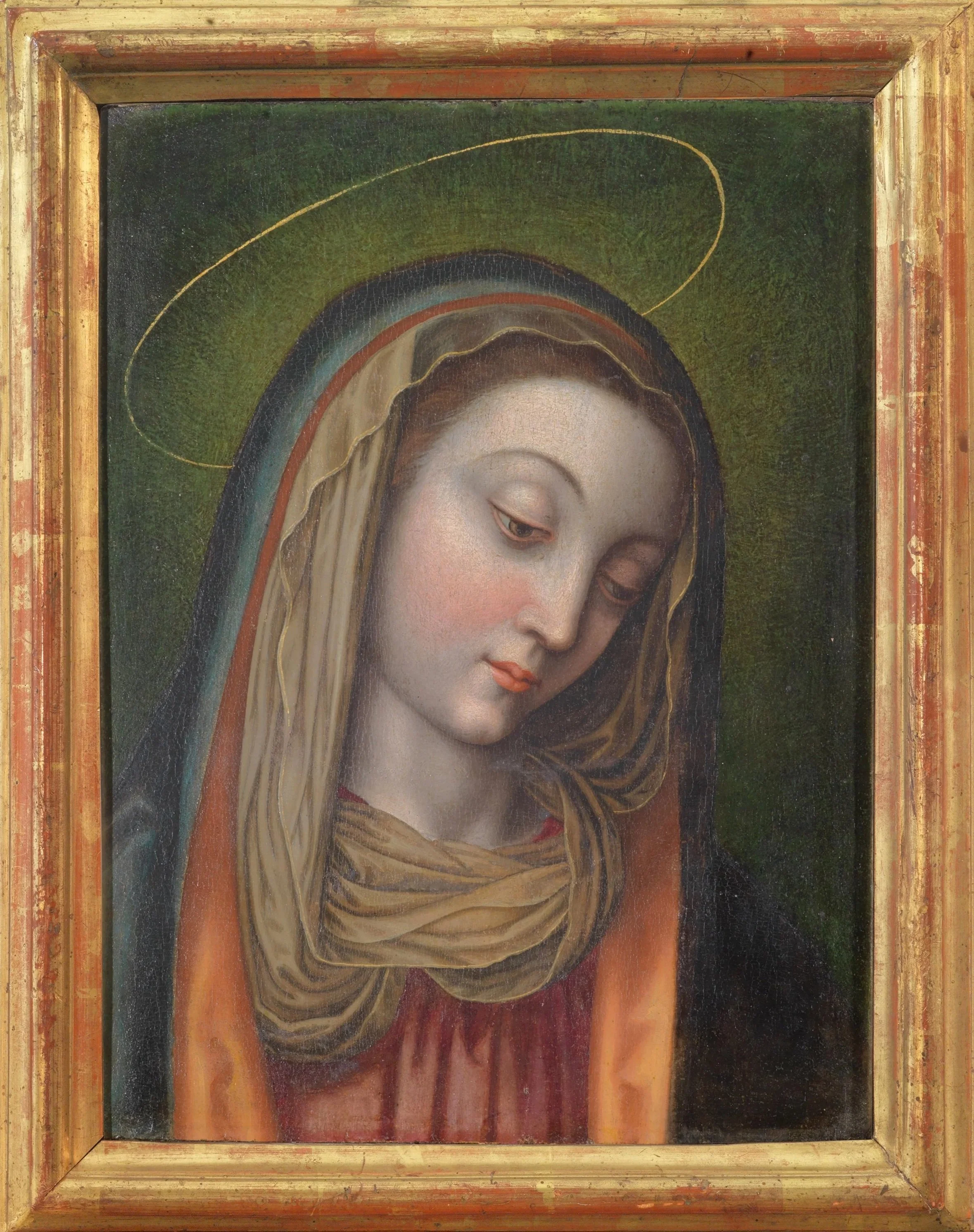
SUOR PLAUTILLA NELLI
(Florence, 1524 – 1588)
Head of the Virgin
Oil on panel
15 ⅛ x 11 ⅝ inches (38.5 x 29.5 cm)
ON LOAN FROM A PRIVATE COLLECTION - NOT FOR SALE
Provenance:
Private Collection, Italy.
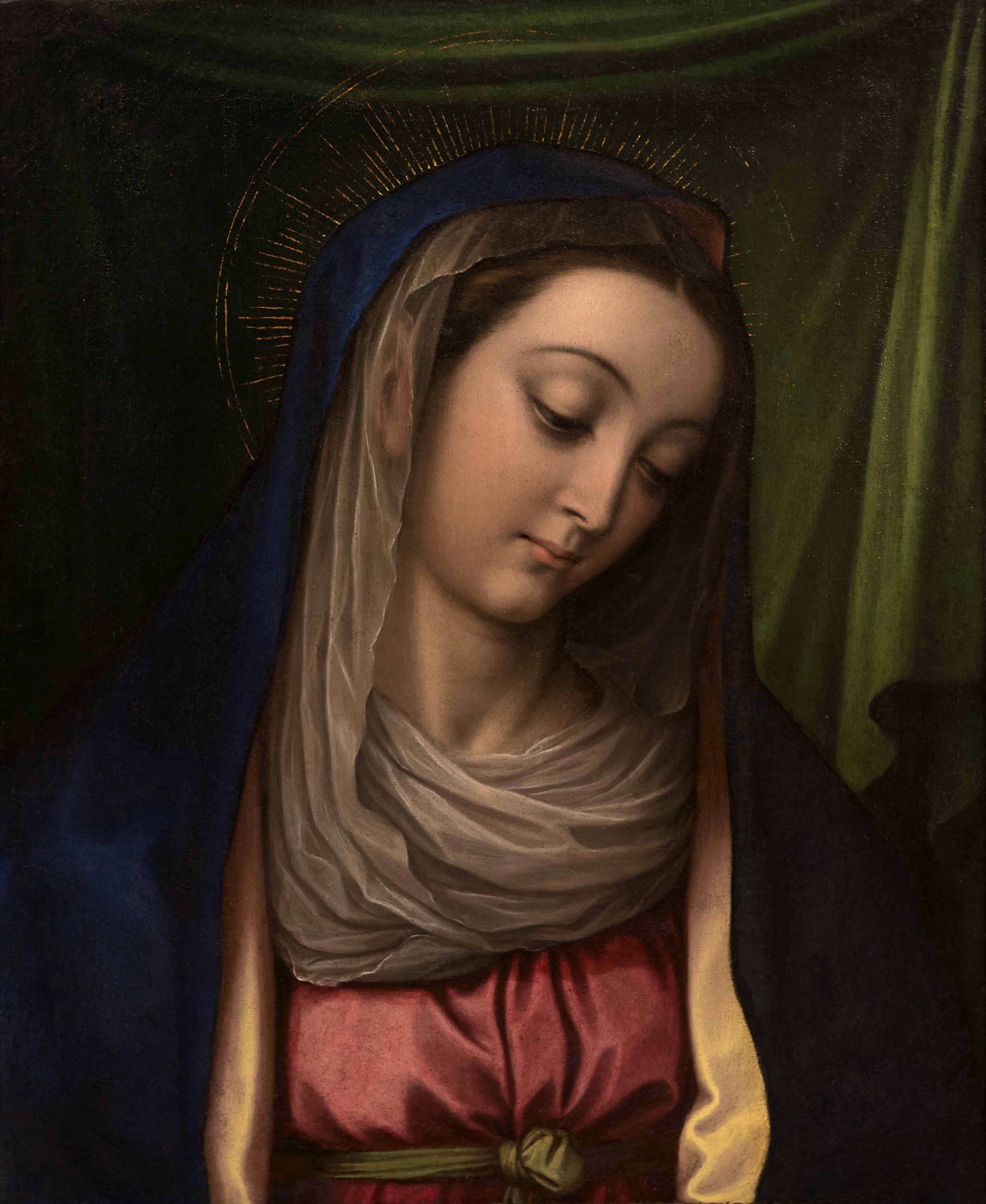
Fig. 1. Attributed to Marcello Venusti, Head of the Virgin, Galleria Borghese, Rome.
The Virgin Mary was Plautilla Nelli’s subject par excellence. Whether as the principal of a multi-figure devotional composition or as its sole protagonist, as in the present work, the Madonna played a central role in Plautilla’s art. The significance of the Virgin for the nun-painter and her audience is due not only to the Dominicans profound Marian devotion, but also to Counter Reformation measures that placed a renewed emphasis on the cult of Mary, as well as her status as co-redeemer of humanity (interestingly, once again a topical subject within the Catholic Church nearly 500 years later).
The Protestant rejection of religious images led to increased veneration of devotional paintings in Catholic lands, and especially in Rome, where a renewed interest in icons of the Virgin led to the development of new iconographies. (For a full discussion, see the essay by Fausta Navarro). One composition, perhaps best known through a painting in the Galleria Borghese in Rome (Fig. 1), gained popularity locally and spread rapidly throughout the Italian peninsula and beyond. A painting of this type must have arrived in Florence sometime in the 1570s or early 1580s, and it clearly left a lasting impression on Plautilla, who interpolated the iconic head of Madonna in several of her mature paintings, most notably her altarpiece of the Madonna of the Rosary in Montaoine (Figs. 2, 3).
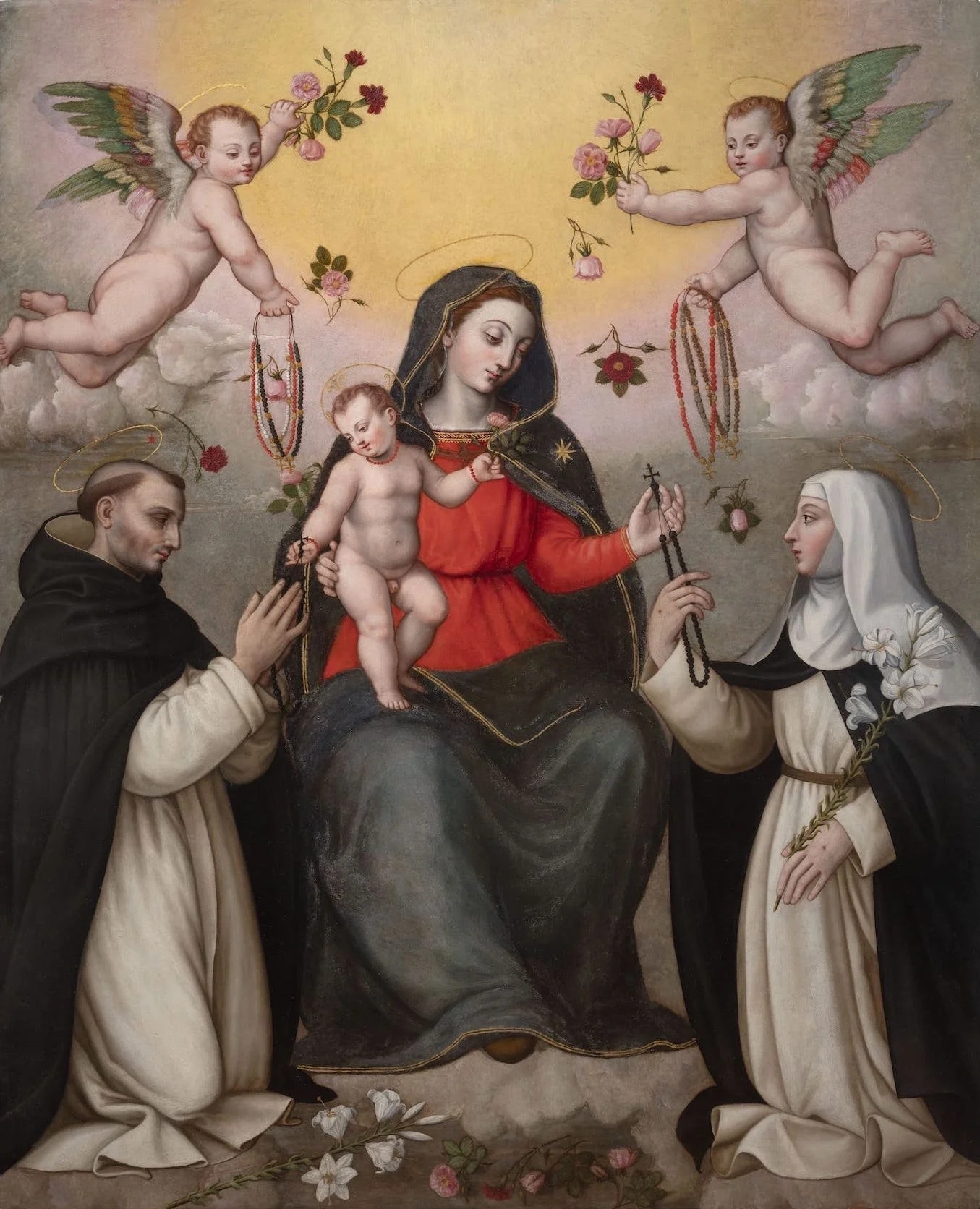
Fig. 2. Plautilla Nelli, Madonna of the Rosary, Chiesa dei Santi Giuseppe e Lucia, Montaione.

Fig. 3. Detail of Plautilla Nelli, Madonna of the Rosary, Chiesa dei Santi Giuseppe e Lucia, Montaione.
In the present painting, the Roman prototype served as a direct inspiration for a bust-length depiction of the Virgin. Plautilla has taken a more focused approach to her subject compared with the Galleria Borghese painting, closely cropping the figure at her shoulders to accommodate the format of the narrow panel. The color scheme of the Virgin’s clothing is essentially repeated, although the lining of her blue mantle is modulated from yellow to a burnt orange that Plautilla favored. The muted green background that boldly sets off the figure was a standard device for the artist, appearing also in her depictions of Saint Catherine of Siena or Saint Caterina de’ Ricci (Fig. 4), as well as the Portrait of Girolamo Savonarola (Cat. 8). Plautilla’s sensitivity to materials is made evident by the fluidity in the draping of the veil and in the subtlety of the mordant gilding that decorates its edges.
This painting was executed on an especially high-quality single plank (Fig. 5), and it is typical of Nelli’s works in its incorporation of two channels for horizontal, tapered battens on the reverse (see the discussion of the panel supports by Matthew Hayes).
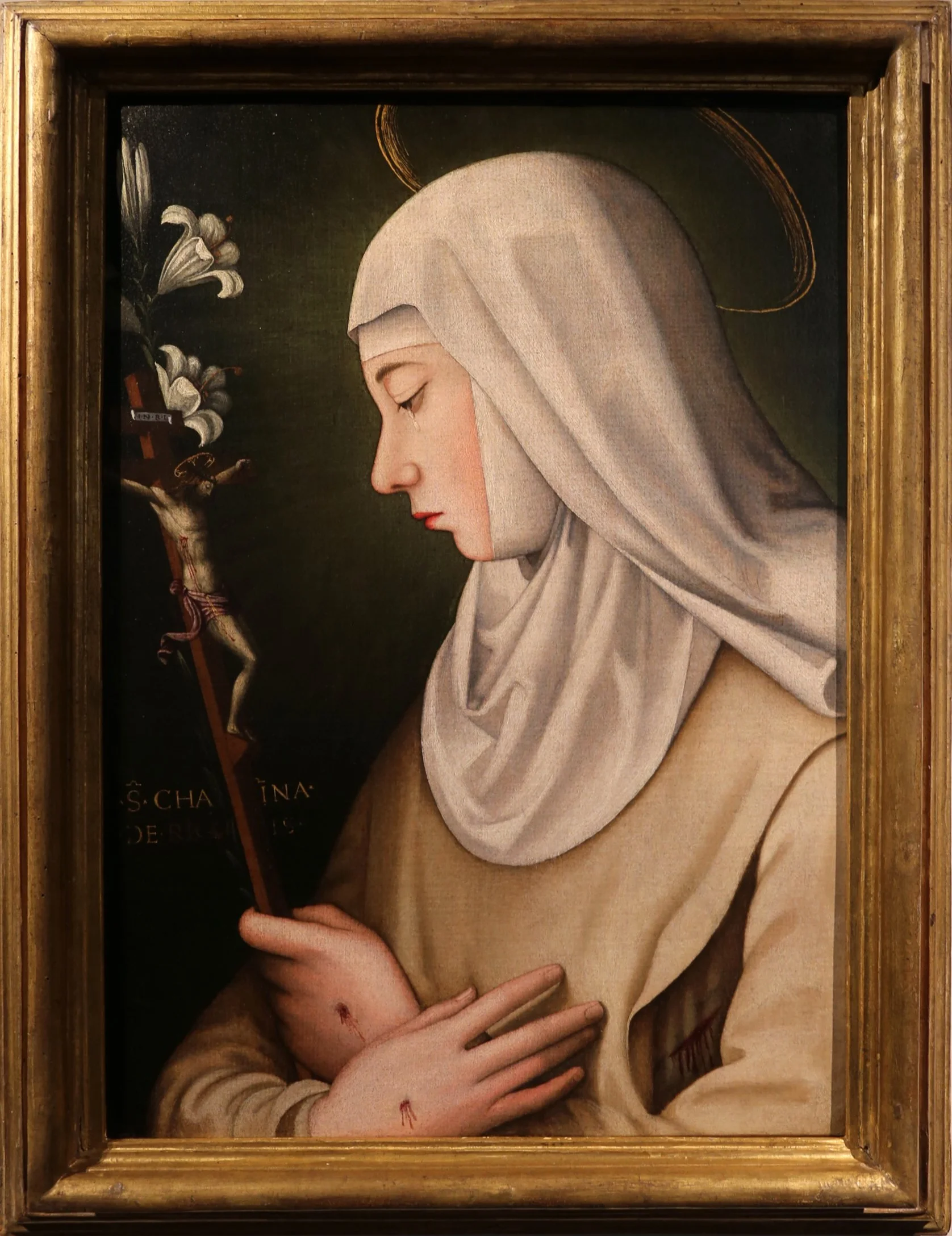
Fig. 4. Plautilla Nelli, Saint Catherine of Siena or Saint Caterina de’ Ricci, Convento di San Domenico, Siena.
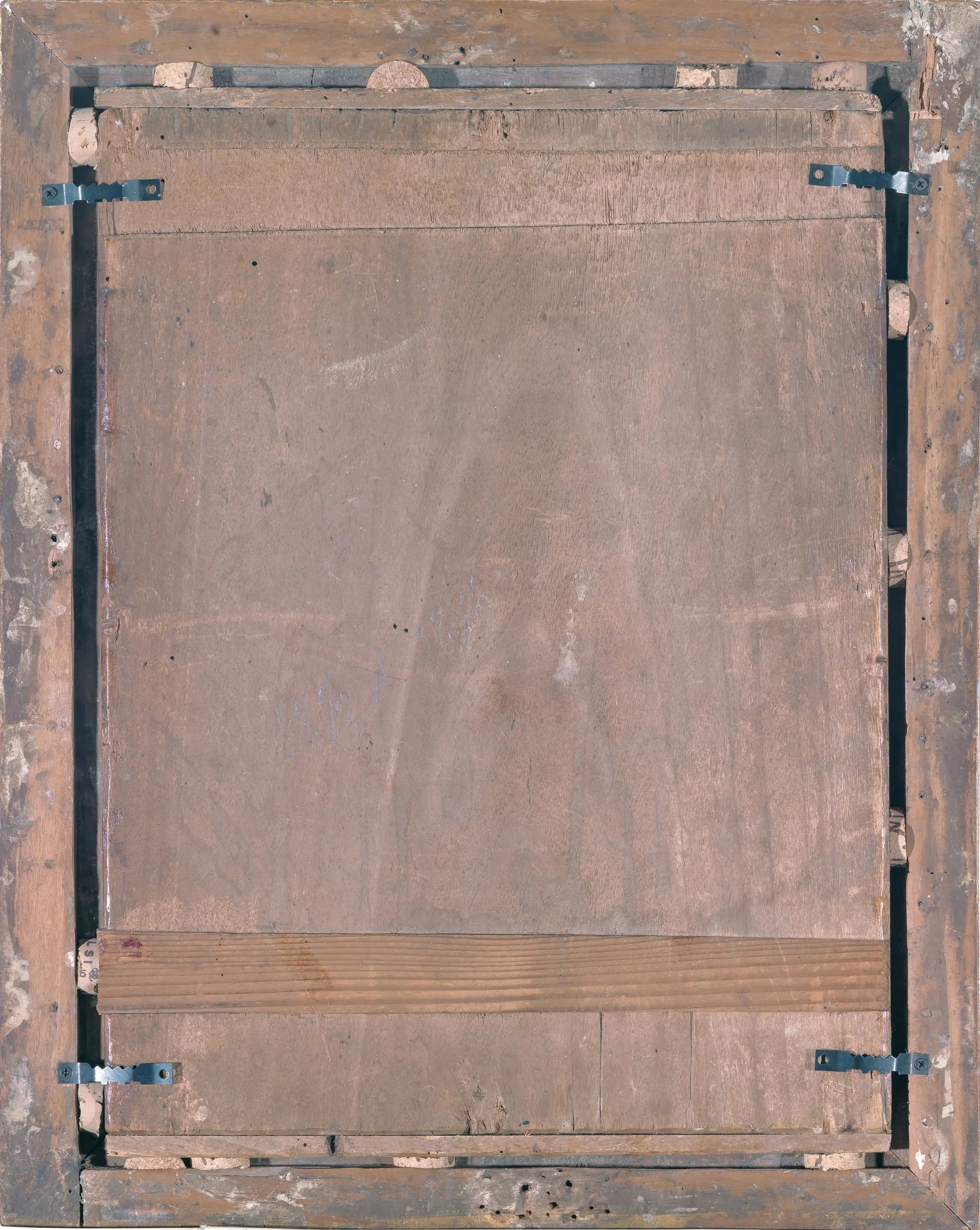
Fig. 5. Detail of the signature in the present work.