
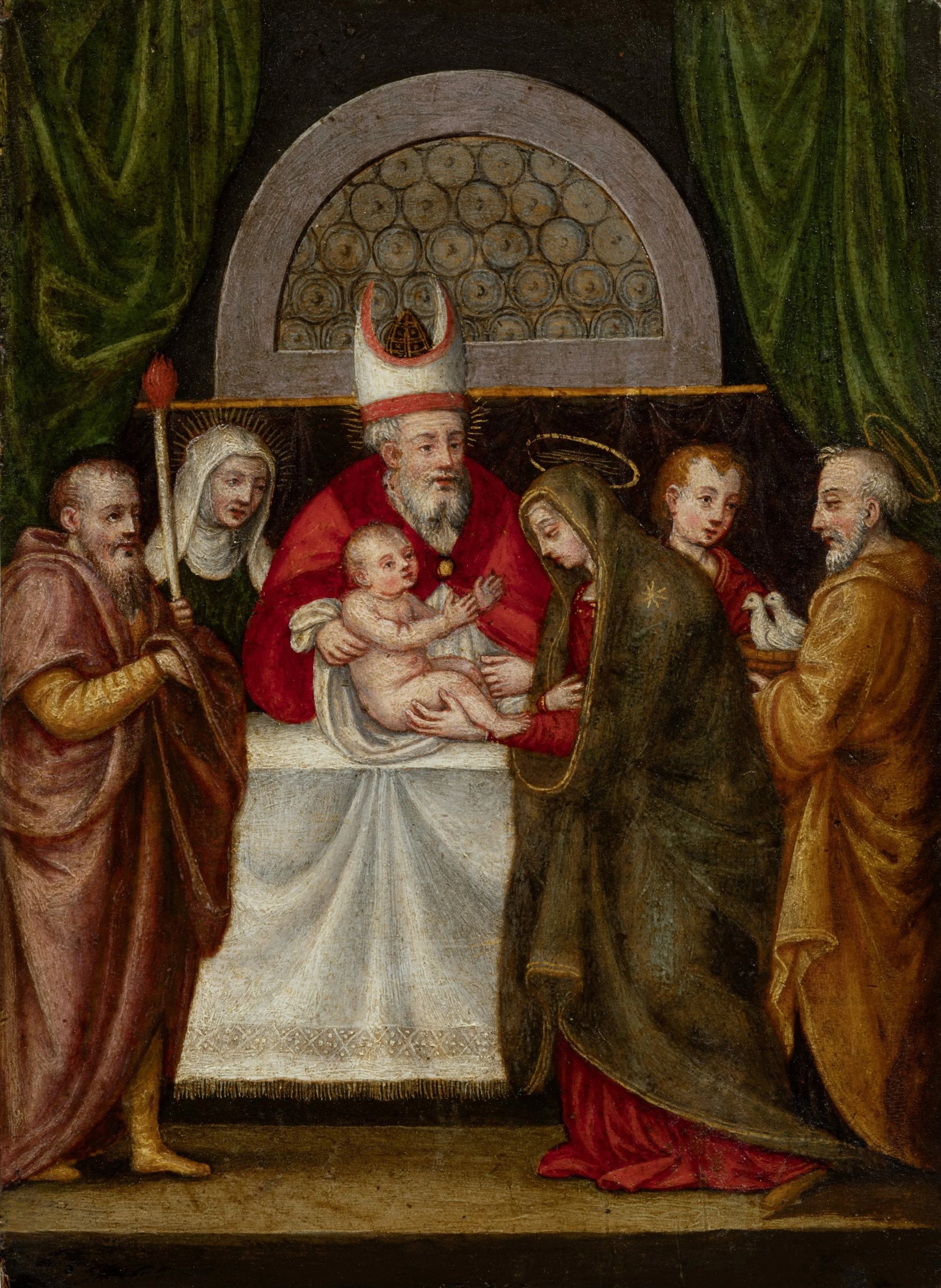
SUOR PLAUTILLA NELLI
(Florence, 1524 – 1588)
The Presentation at the Temple
Oil on panel
8 ⅞ x 6 ½ inches (22.7 x 16.5 cm)
Provenance:
Private Collection, Italy.
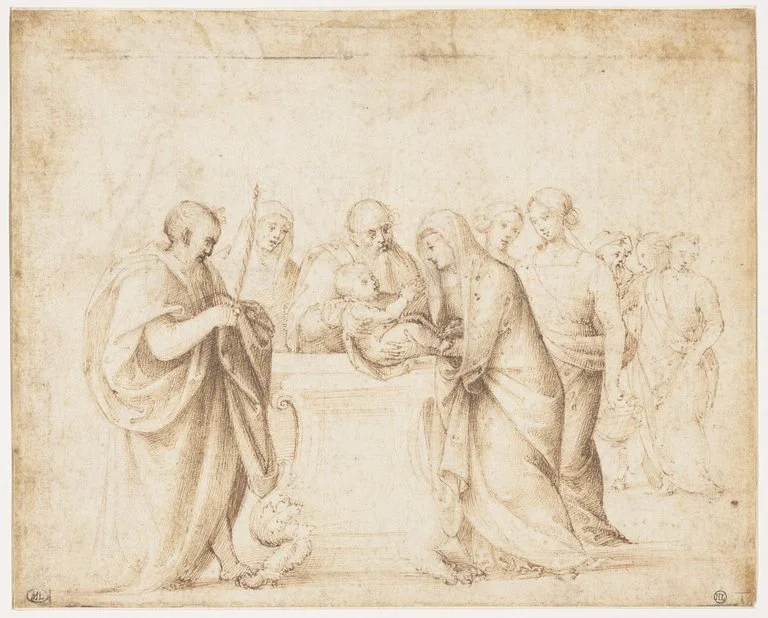
Fig. 1. After Fra Bartolomeo, Presentation at the Temple, Musée du Louvre, Paris.
This diminutive panel is one of several in Plautilla’s oeuvre that is a multi-figure painting of a New Testament subject. The Presentation at the Temple depicts the Virgin and Saint Joseph bringing the infant Christ to the temple in Jerusalem 40 days after his birth to perform the redemption of the firstborn son and complete Mary’s ritual purification after childbirth. Plautilla derived her composition from a drawing by Fra Bartolomeo in the Uffizi (inv. 465 E recto), of which a copy is in the Musée du Louvre (Fig. 1).[1] She modified the group of onlookers at the right and recast them with two male figures who are more directly involved in the scene. Her treatment of the biblical episode is especially faithful to the Gospel text. Luke describes that the holy couple offered a sacrifice of a pair of doves or two young pigeons, here held by Saint Joseph on the right. The Gospel also mentions the presence of the elderly prophet Anna and the devout Simeon, whom God had promised would witness the Messiah before his death, at the scene. These two figures are depicted at left, and Simeon holds a flaming candle referring to his declaration at the Presentation that Christ would be “a light for revelation to the Gentiles and the glory of your people Israel.” Plautilla has set the scene within an interior decorated with green curtains and a stone lunette window with circular panes of glass. Other adjustments from Fra Bartolomeo’s designs include the simple altar and altar cloth on which the Christ child sits, as well as the impressive miter worn by the Jewish priest.
The painting’s function is unknown, but it may have belonged to a series of scenes from Christ’s life. Christopher Daly has suggested that another panel from this cycle might be the Christ Among the Doctors that appeared recently on the market with an attribution to an anonymous Lombard artist (Fig. 2). This Presentation at the Temple is stylistically consonant with that painting and may have once had a similar painted border that was cut away. Together, these works may have formed part of a single panel like the nearly contemporary one at the Museo della Collegiata in Empoli (Fig. 3), which features these two episodes together in the upper right. The 15 images of the Empoli panel represent the series of 15 mysteries of the rosary. The devotional act of the rosary was significantly promoted and practiced by the Dominicans, and an original arrangement of this kind would be fitting for Nelli.
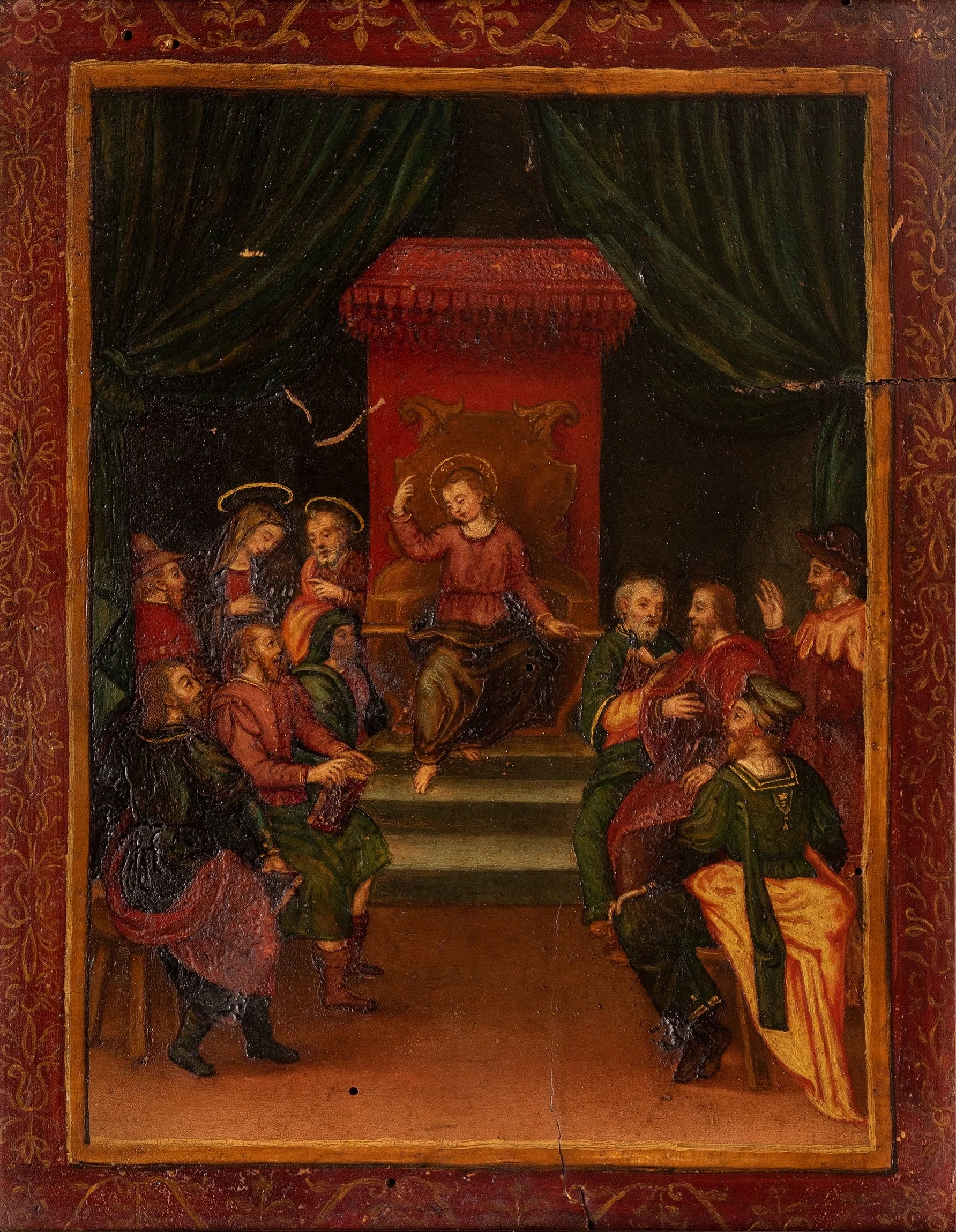
Fig. 2. Plautilla Nelli, Christ Among the Doctors, formerly art market, Italy.
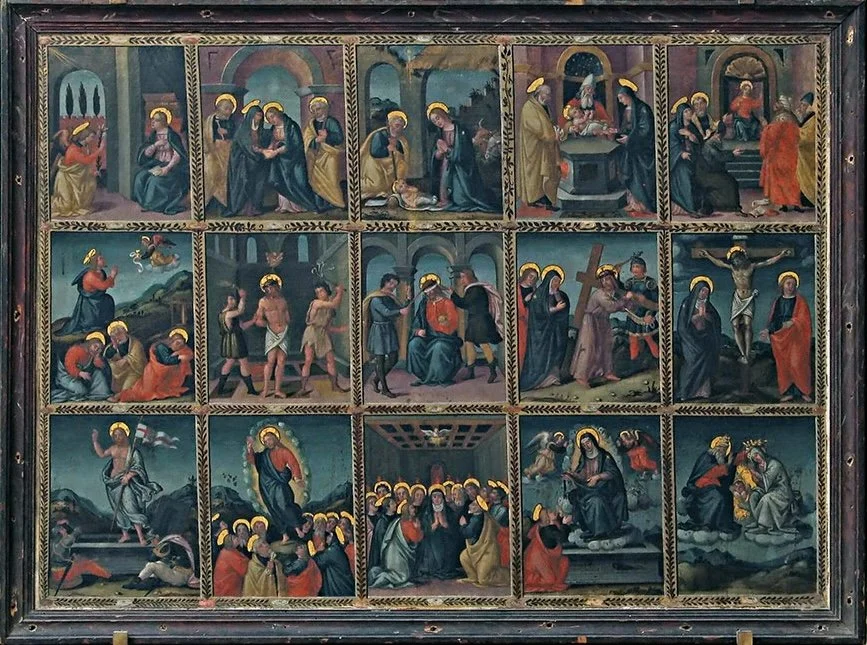
Fig. 3. Florentine School, 16th Century, Stories of the Virgin and Christ, Museo della Collegiata, Empoli.
[1] Chris Fischer, Fra Bartolommeo et Son Atelier: Dessins et Peintures des Collections Françaises, Paris, 1994, p. 67, cat. no. 36; and https://collections.louvre.fr/en/ark:/53355/cl020112027. Fra Bartolomeo’s drawing was preparatory for his Presentation at the Temple for the novices’ chapel of San Marco, now in the Kunsthistorisches Museum, Vienna.