
GIORGIO VASARI
(Arezzo 1511 – 1574 Florence)
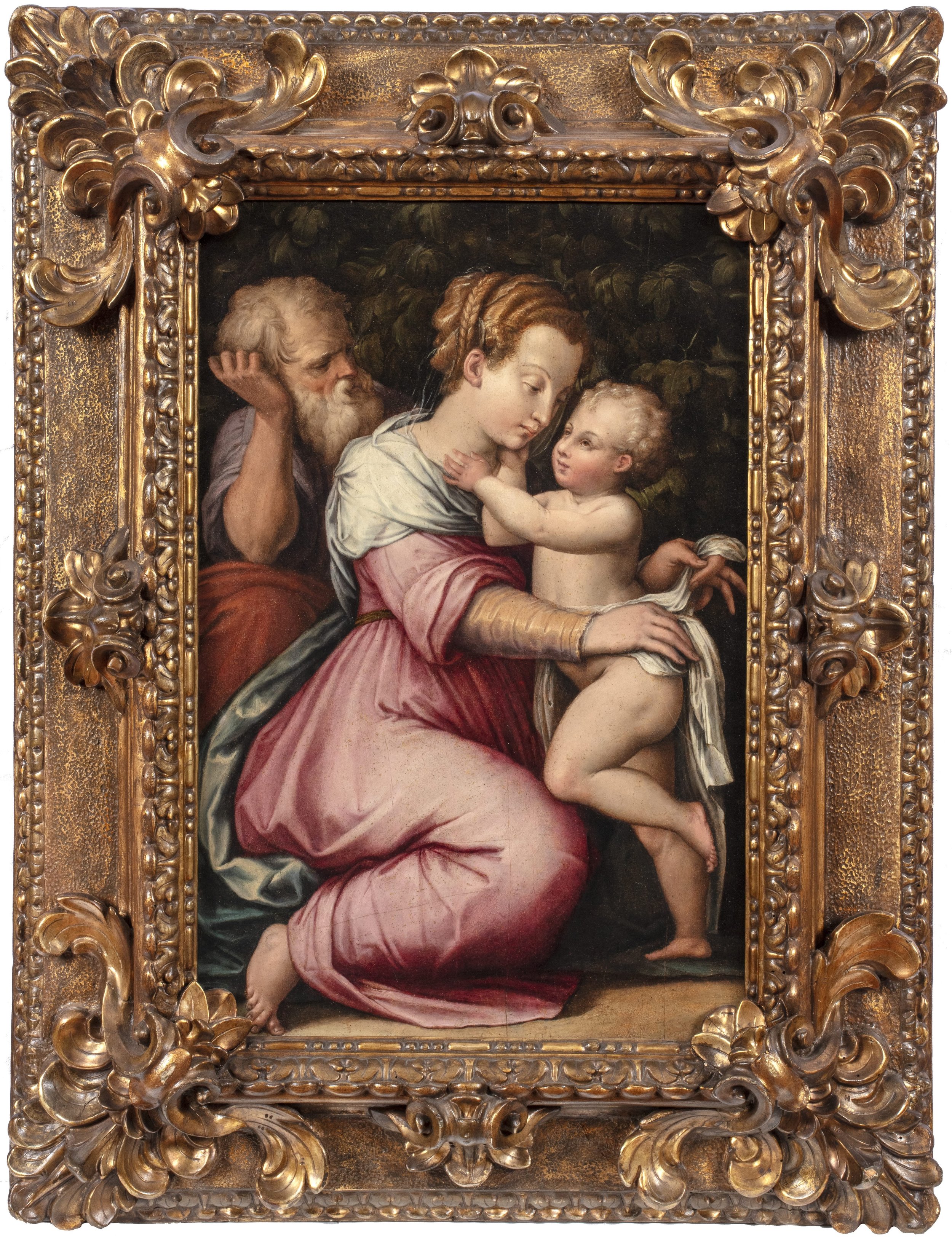
The Holy Family
Oil on panel
25 ¾ x 16 ⅞ inches (65.5 x 43 cm)
36 ⅝ x 28 inches (93 x 71cm) with frame
Provenance:
John R. Gnau, Birmingham, Michigan
Christie’s, New York, 4 June 1986, lot 106, as Vasari
Private Collection, Brunn, Germany, by 1989
Sotheby’s, London, 8 July 2009, lot 26, as Vasari; where acquired by:
Private Collection, Italy, 2009–2026.
Exhibited:
“Giorgio Vasari Disegnatore e Pittore: Istudio, Diligenza et Amorevole Fatica,” Galleria Comunale d’Arte Moderna e Contemporanea, Arezzo, 3 September – 11 December 2011, no. 5.
Literature:
Laura Corti, Vasari, Catalogo Completo dei Dipinti, Florence, 1989, pp. 58-59, ill., cat. no. 38, as Vasari, painted in the 1540s.
Liletta Fornasari, in Giorgio Vasari disegnatore e pittore; istudio, diligenza et amorevole fatica, ed. Alessandro Cecchi with Alessandra Baroni, Liletta Fornasari. Milan 2011, cat. no. 5, pp, 76-77 ill.
Flaminio Gualdoni,Vasari, Milan, 2011, pp. 42-43 ill.
While perhaps best known for his hugely important Lives of the Artists, which documents the life and work of Italian artists of the Renaissance, Giorgio Vasari was not only a major painter in 16th-century Florence, but perhaps the most influential figure in cultural politics at the Medici court. His exuberant Mannerist style was embraced by Duke Cosimo I de’ Medici, who bestowed upon the artist commissions for altarpieces in the major churches of Florence and for paintings and frescoes to fill the walls and ceilings of the Palazzo Vecchio.
In addition to these grand projects, Vasari painted portraits, allegories, and religious works for private patrons. These are some of his most prized paintings, as the intimate scale and polished execution made them ideal for domestic environments. Our Holy Family is a particularly precious example. It is an intimate depiction of the Virgin and child with Saint Joseph, depicted in an overtly human manner. The Christ child, standing on one foot, reaches towards his mother and gently caresses her chin. She is untying his swaddling clothes, allowing him to take his first steps. Joseph, his head resting on his hand, quietly observes from behind. The background is composed of a lush wall of leaves—a motif derived from Parmigianino—which places the tender scene in a familiar earthly setting.
The painting, exhibited in a spectacular Florentine frame, is well known to scholars on the artist, having been studied by Paola Barocchi, Carlo Falciani, Patricia Rubin, and Frank Dabell, in addition to the publications cited above. All agree on Vasari’s authorship with a date in the mid-1540s.[1] Dabell has suggested that the painting may be associated with a Holy Family recorded in Vasari’s Ricordanze as painted in 1547 for Ottaviano de’ Medici.
Our painting is compositionally and stylistically related to Vasari’s Holy Family with Saint Francis of 1541, which was commissioned by Francesco Leoni and is now in the Los Angeles County Museum of Art (Fig. 1). Similarly employing the composition in reverse is a Madonna and Child with Saint John the Baptist on the London art market in 2004 (Fig. 2).
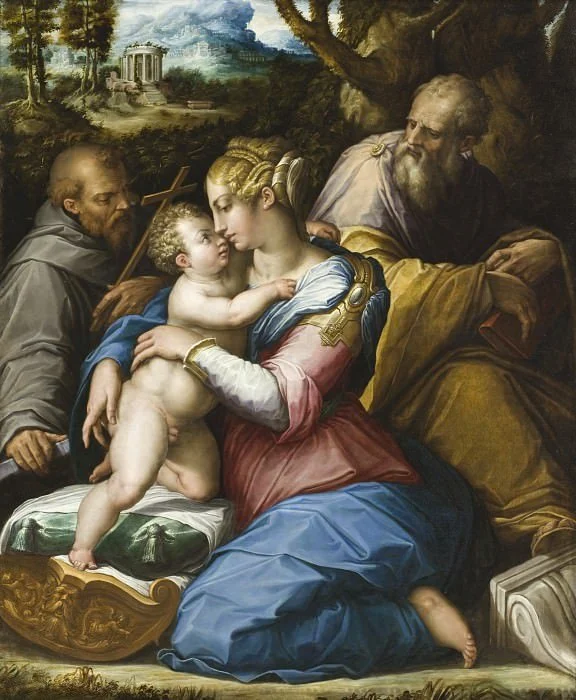
Fig. 1. Giorgio Vasari, Holy Family with Saint Francis, Los Angeles County Museum of Art.
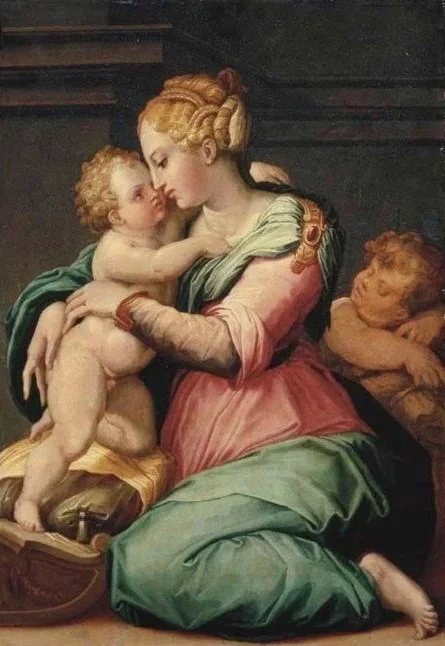
Fig. 2. Giorgio Vasari, Holy Family with Saint John the Baptist, Christie’s, London, 2004.
[1] Copies of their written communications concerning the painting are available upon request.