
VIRGINIA VEZZI
(Velletri 1600 – 1638 Paris)
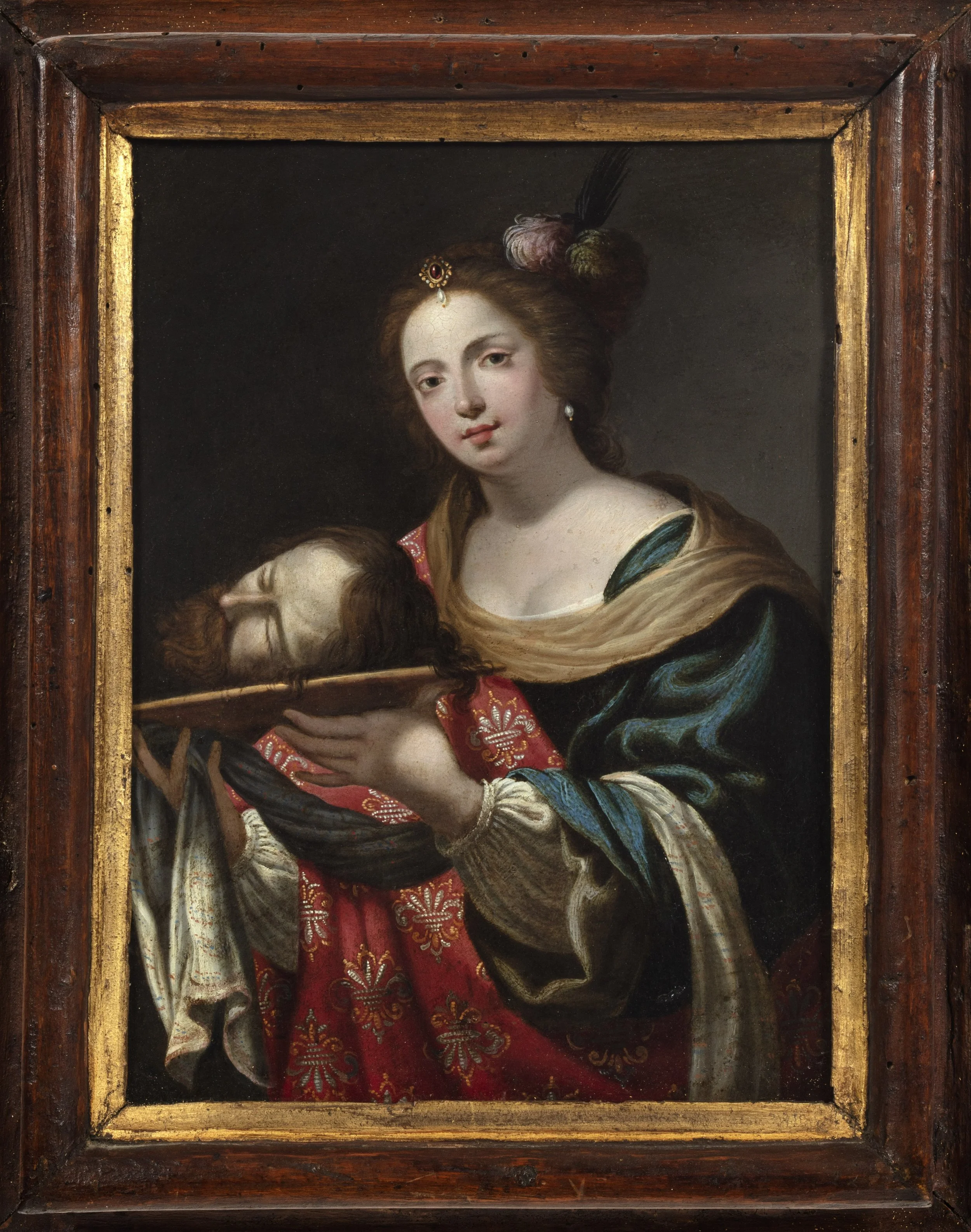
Salome with the Head of Saint John the Baptist
Oil on copper
9 ⅝ x 7 ⅜ inches (24.5 x 18.7 cm)
Provenance:
Private Collection, Italy.
Virginia Vezzi is one of the most intriguing figures of the Roman Baroque. Like many women artists of her time, she received her initial training from her father, the little-known painter Pompeo Vezzi. However, unlike her counterparts, Vezzi’s style did not depend on that of her father. Vezzi’s precocious talent was recognized at a young age, and the family moved from their hometown of Velletri to Rome in order to foster her abilities. Her most important teacher and artistic influence was Simon Vouet—the French Caravaggist painter active in Rome and the artist’s future husband. Vezzi attended drawing lessons in Vouet’s home and worked in his workshop in Rome. At the age of 24, she was inducted into the Accademia di San Luca in Rome before moving to Paris with her husband. Although few works by Vezzi are known today, her art and career have recently been the subject of renewed scholarly attention and collector interest. A group of paintings have been convincingly associated with the artist based on stylistic comparison with her sole securely documented work.
The only autograph painting known by Vezzi is the Judith with the Head of Holofernes of ca. 1624–1626 in the Musée des Beaux-Arts de Nantes (Fig. 1). This painting was likely Vezzi’s submission for induction into the Accademia di San Luca in Rome, and its composition is recorded in an engraving inscribed “Virginia de Vezzo pinx” by Claude Mellan (Fig. 2), a Frenchman who trained with Vouet in Rome and whose engravings provide crucial evidence for our understanding of Vezzi.
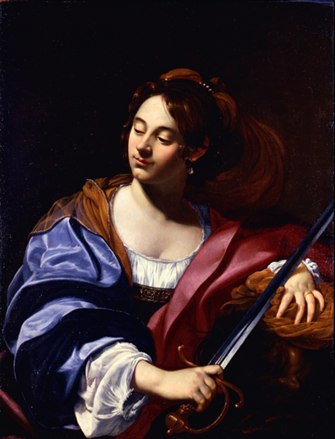
Fig. 1. Virginia Vezzi, Judith with the Head of Holofernes, oil on canvas, 87 x 74 cm, Musée des Beaux-Arts de Nantes.
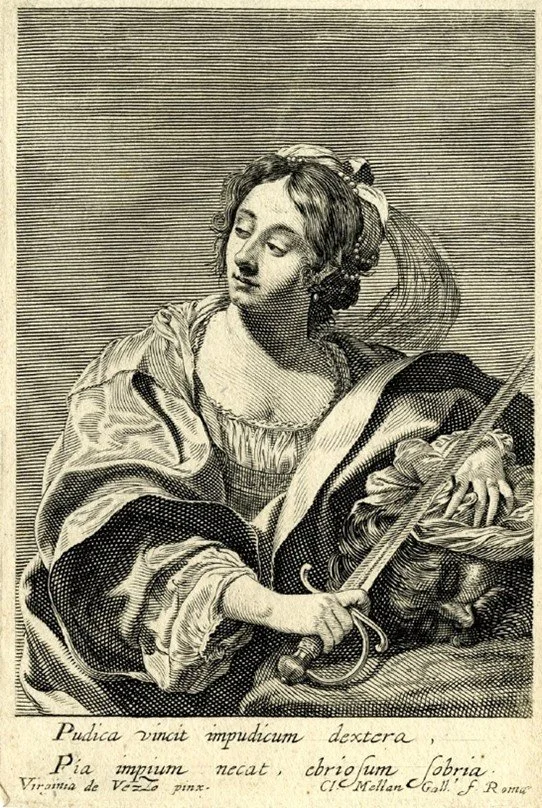
Fig. 2. Claude Mellan after Virginia Vezzi, Judith with the Head of Holofernes, engraving.
Vezzi moved to Paris with her husband in the late 1620s after Vouet’s appointment as premier peintre du roi, or court painter, to King Louis XIII. She frequently served as a model for her husband, appearing throughout his oeuvre as various biblical figures and mythological heroines, including his Mary Magdalene at LACMA (Fig. 3). Vezzi also found success in France leading drawing classes for young women at the Louvre—where she resided with her husband—and painting independent works. Vezzi’s Self-Portrait as Saint Catherine recently was acquired by LACMA (Fig. 4), joining her husband’s portrait of her in the museum’s collection.
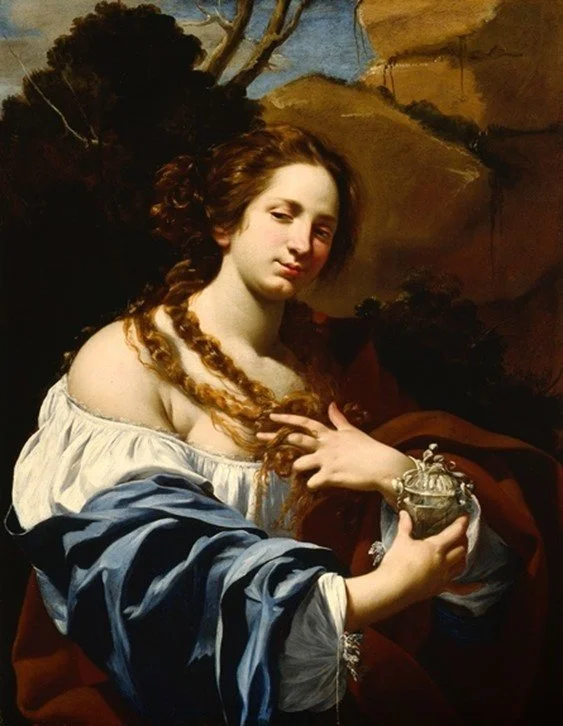
Fig. 3. Simon Vouet, Virginia Vezzi as Mary Magdalene, oil on canvas, Los Angeles County Museum of Art.
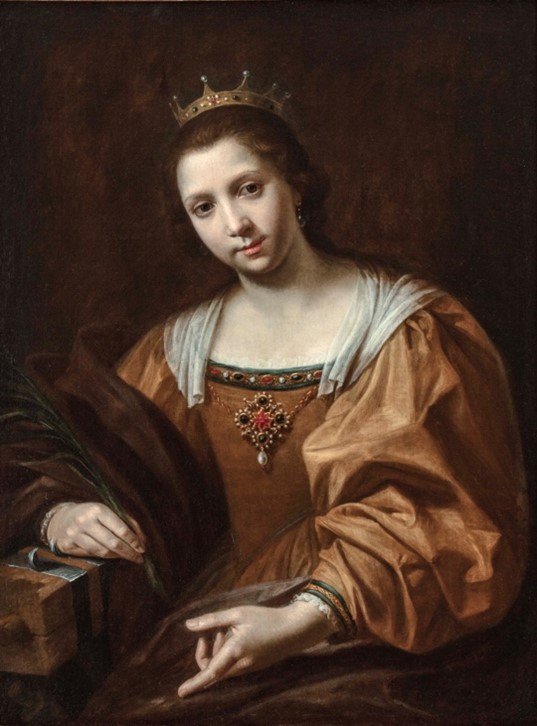
Fig. 4. Virginia Vezzi, Self-Portrait as Saint Catherine, oil on canvas, Los Angeles County Museum of Art.
This striking work on copper may be a self-portrait of Vezzi as Salome, the Jewish princess who was the daughter of Herod Antipas, tetrarch of Galilee from 4 BCE to 39 CE. On Herod’s birthday, he drunkenly promised to give Salome anything she desired. Her mother Herodias suggested that she ask Herod for John the Baptist’s head on a platter, as he had disapproved of Herod’s remarriage to Herodias. Although less frequently treated than Judith and Holofernes, Salome was similarly an archetypal representation of a strong biblical woman in Renaissance and Baroque painting. In this way, the painting can be read as an allegorical representation of female power. Comparison with an engraved portrait of Virginia Vezzi by Claude Mellan suggests that the figure may in fact be a self-portrait (Fig. 5-6). If this is indeed a self-portrait, Vezzi would be following a tradition of women artists painting themselves in the guise of powerful women. Most prominent of these is Artemisia Gentileschi, whom Vezzi befriended in Rome in the 1620s.
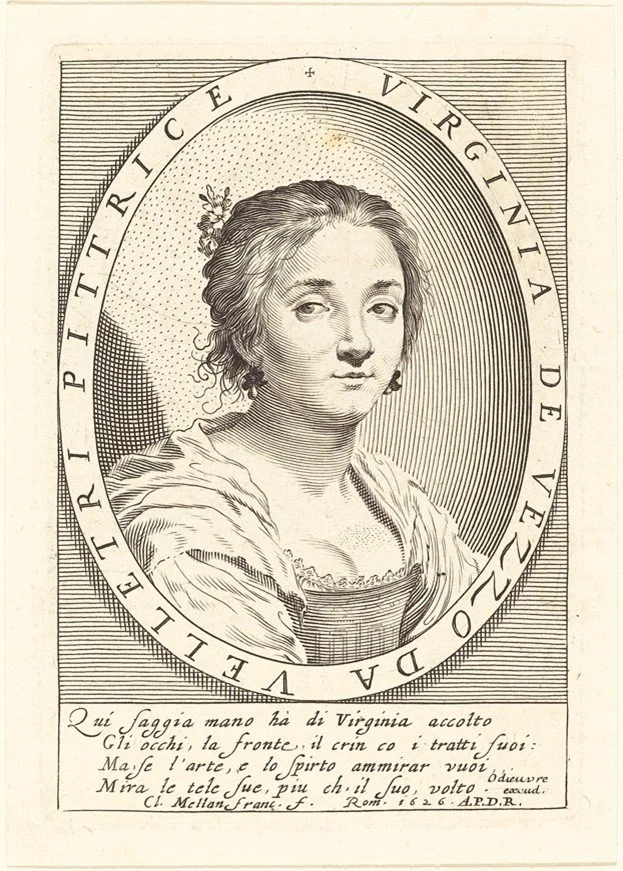
Fig. 5. Claude Mellan, Portrait of Virginia Vezzi, 1626, engraving.
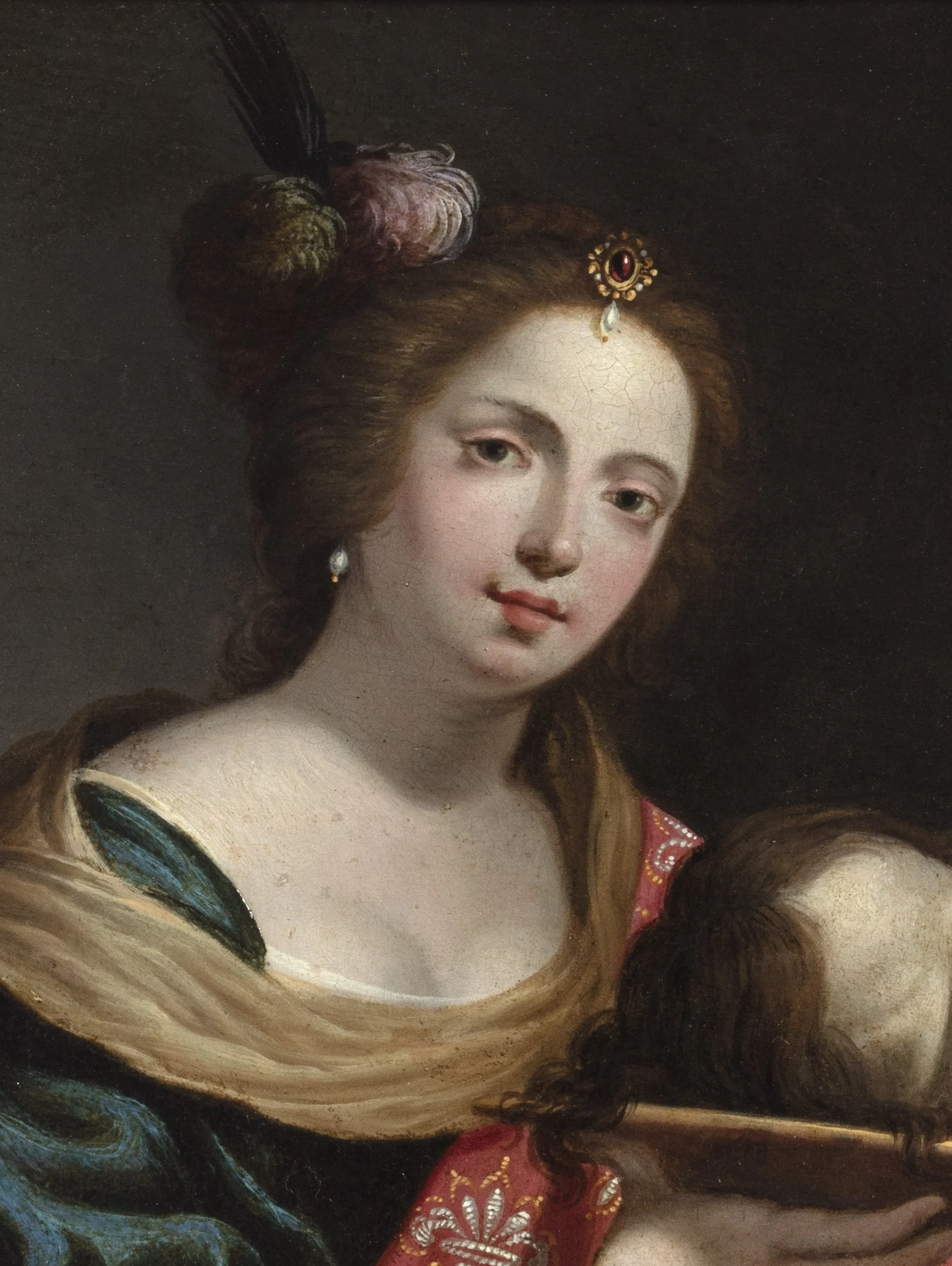
Fig. 6. Detail of the present work (reversed).
We are grateful to Dr. Consuelo Lollobrigida, the authority on Virginia Vezzi, for confirming her authorship of this painting (written communication).[1] Lollobrigida suggests that the painting dates from Vezzi’s French period, painted not long before her premature death in 1638. The painting will be included in her forthcoming publication: Consuelo Lollobrigida, “Virginia da Vezzo. Towards a catalogue raisonnée,” in Women Artists in Baroque Rome, Brepols.
[1] A catalogue entry on this painting by Dr. Lollobrigida is available upon request.