
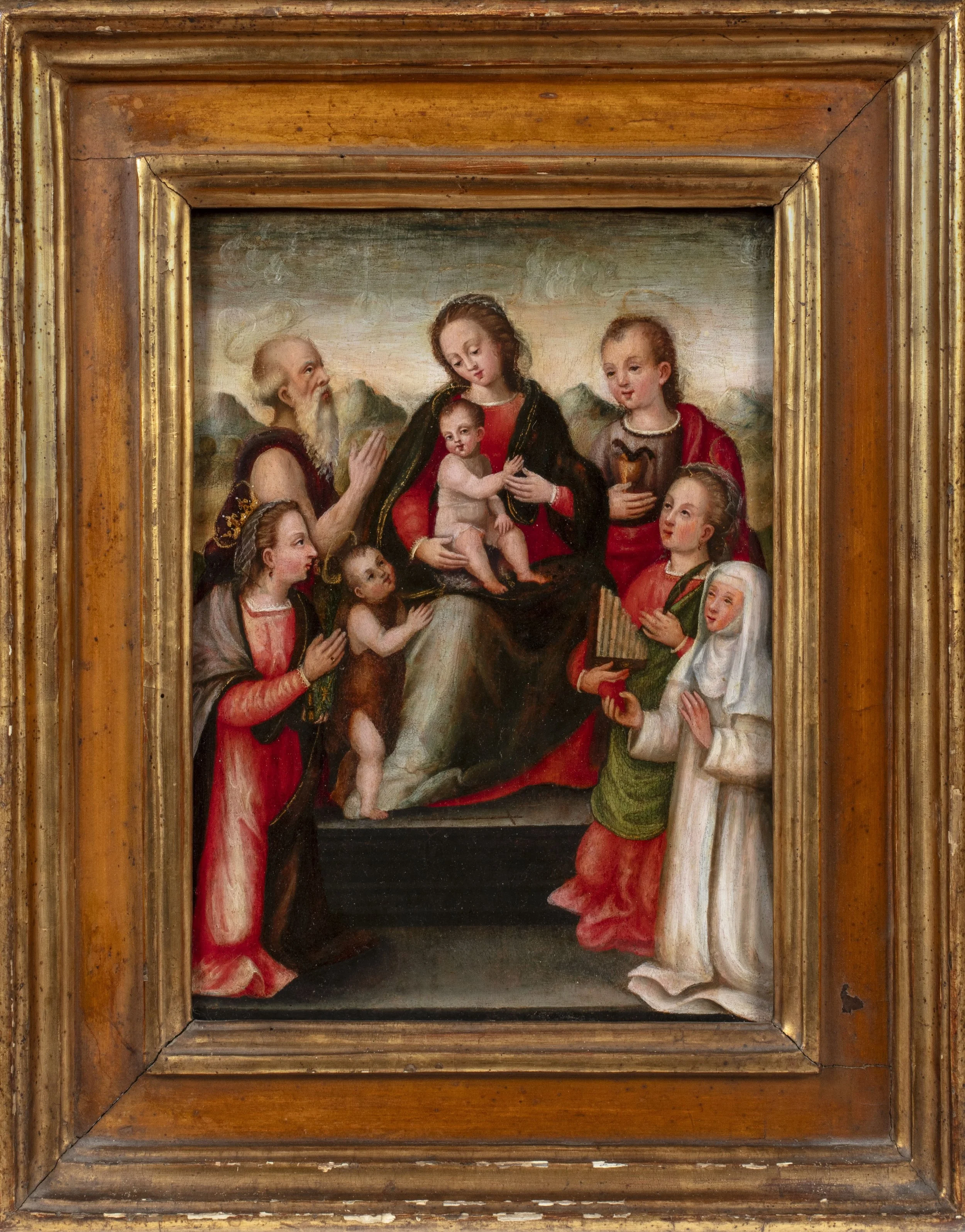
SUOR PLAUTILLA NELLI
(Florence, 1524 – 1588)
Madonna and Child with the Infant Saint John Baptist and Saints Jerome, John the Evangelist, Ursula, Cecilia, and a Dominican Nun Holding a Heart
Oil on panel
13 ½ x 10 ¼ inches (34.2 x 26 cm)
Provenance:
Private Collection, France.
Plautilla’s active workshop at the convent of Santa Caterina da Siena must have been organized much like a typical Renaissance workshop. The preparation of pigments and the production of private devotional paintings and large altarpieces would have involved the participation of multiple assistants and collaborators. The names of eight artist nuns who entered the convent during Plautilla’s lifetime are recorded—four painters, three sculptors, a miniaturist—but no works by these women have been identified.[1] It is likely that these nuns took on roles within the workshop, though they could have also worked independently within the convent. Other nuns might have been trained by Plautilla after joining the order. This artistic production may have intersected with other documented artisanal work undertaken at the convent, including gold-thread embroidery, which, like Plautilla’s paintings, relied on the technique of pouncing cartoons to transfer imagery. It is intriguing to consider the possibility that some textiles produced at Santa Caterina da Siena might have been based on figural designs provided by Plautilla. Her sensitivity to fabrics and fine gold strands is certainly reflected in her delicate mordant-gilt haloes and the gold trim that frequently embellishes the Virgin’s collar and the edges of her mantle, like in the present work.
Little is known about the organizational structure of Plautilla’s workshop, but her likely assistants continued the production of paintings (perhaps with some supervision) during Plautilla’s three terms as prioress of the convent—each lasting two years and separated by roughly a decade (see the essay by Catherine Turrill-Lupi). The success of the workshop organization is confirmed by the consistent style and quality of the body of work associated with Plautilla—so much so that it is difficult to identify any individual collaborative hands, though, as in any workshop, their presence must be assumed. The composition of the present painting includes several saints that reappear throughout Plautilla’s small-scale works and clearly resonated with her Dominican audience. Saint John the Evangelist is close in character to his counterpart in another painting in this exhibition (Cat. 3), whereas Saint Ursula is recast in a differing, prayerful pose from other known depictions (Cats. 3, 4, 7). The inclusion of the Infant Saint John the Baptist and Saint Cecilia with her small, portable organ are unique to this sacra conversazione, as is the presence of a Dominican nun. The nun, likely the commissioner of this painting, would have selected the specific saints and requested to be depicted as a donor holding a heart in imitation of Saint Catherine of Siena, the founder of her order.
Technical Images
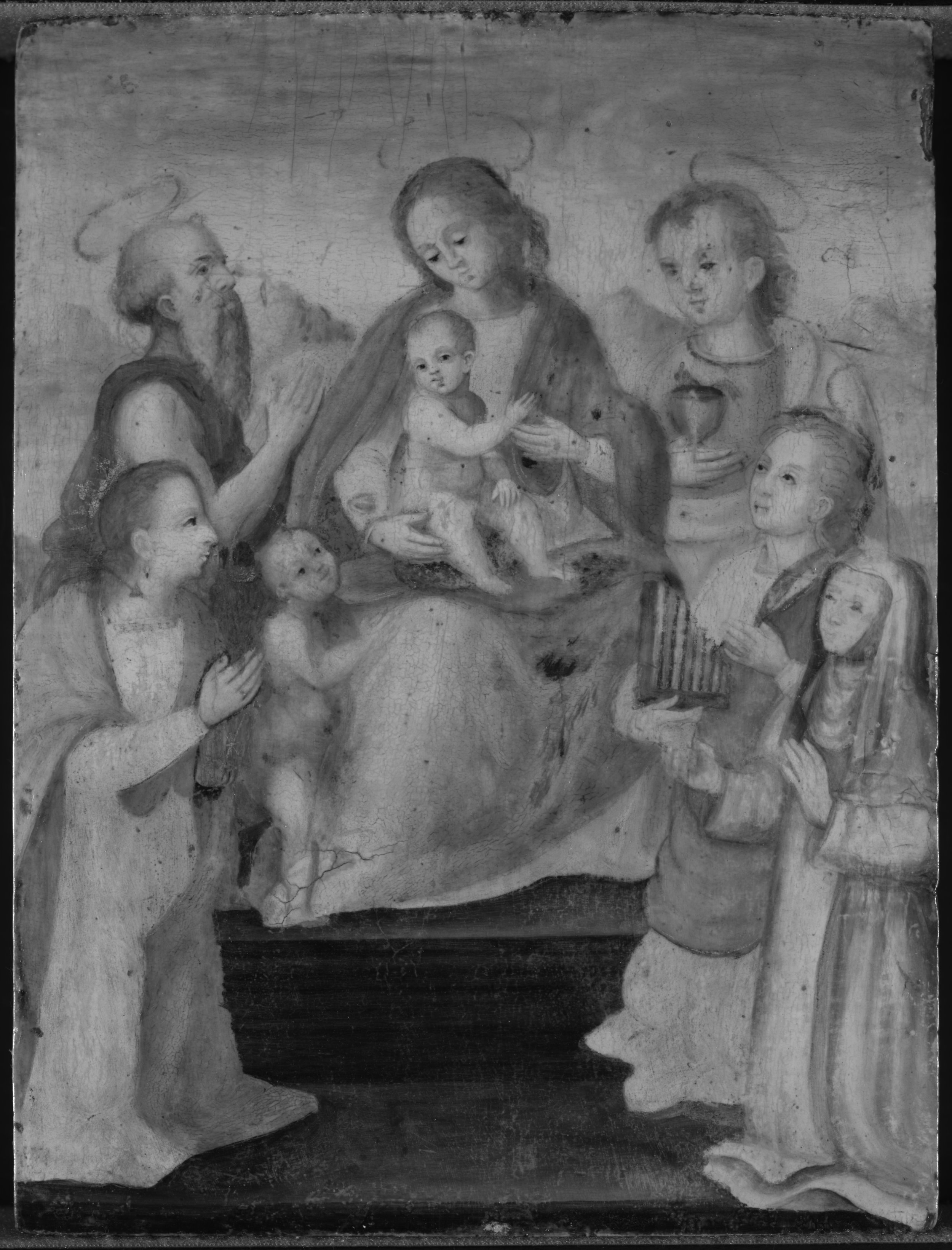
Plate 1. Infrared Reflectogram of the present work.
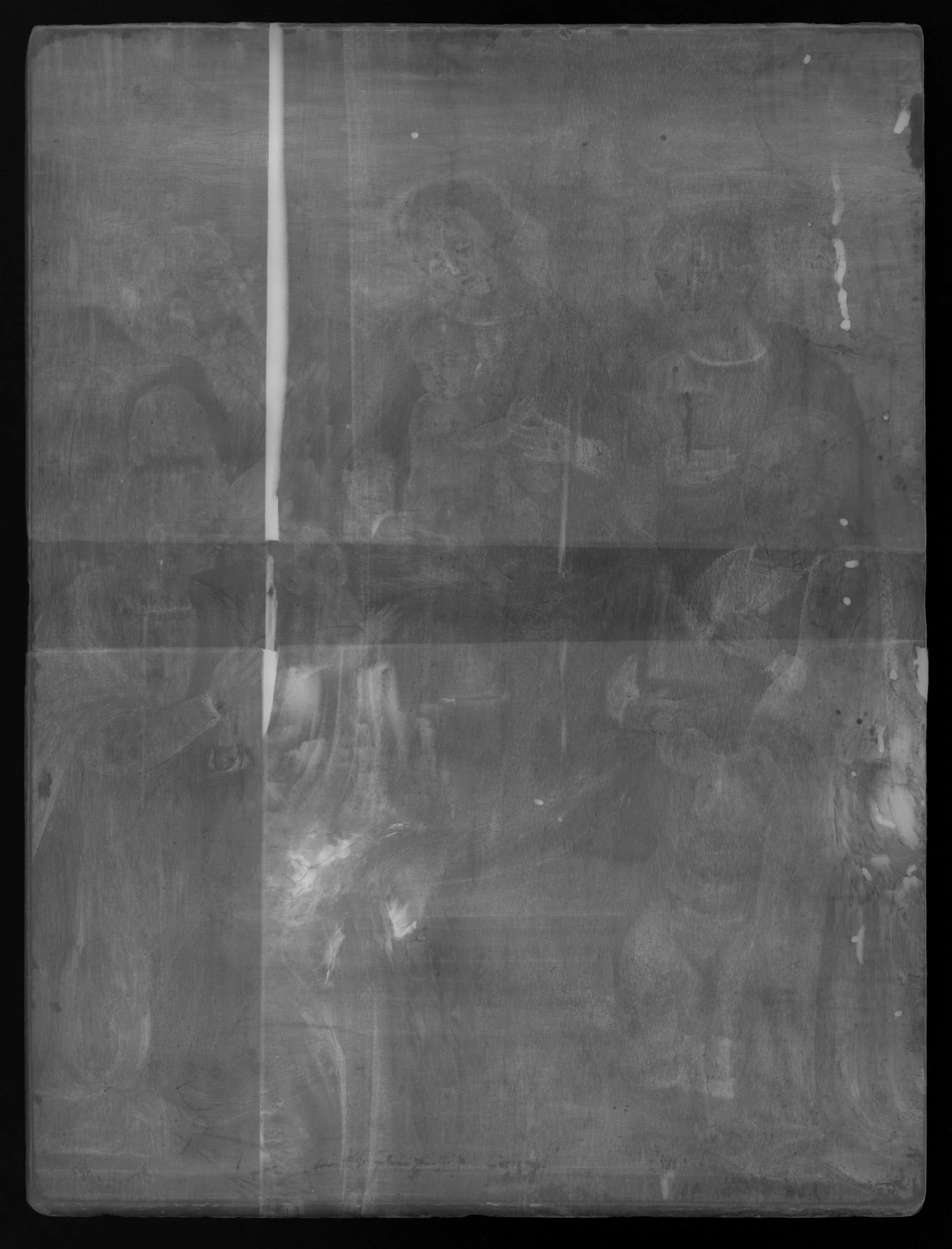
Plate 2. X-radiograph of the present work.
[1] Catherine Turrill, “Nuns’ Stories: Plautilla Nelli, Madre Pittora, and Her Compagne in the Convent of Santa Caterina da Siena,” in Plautilla Nelli (1524–1588): The Painter-Prioress of Renaissance Florence, ed. Jonathan K. Nelson, Florence, 2008, p. 19.